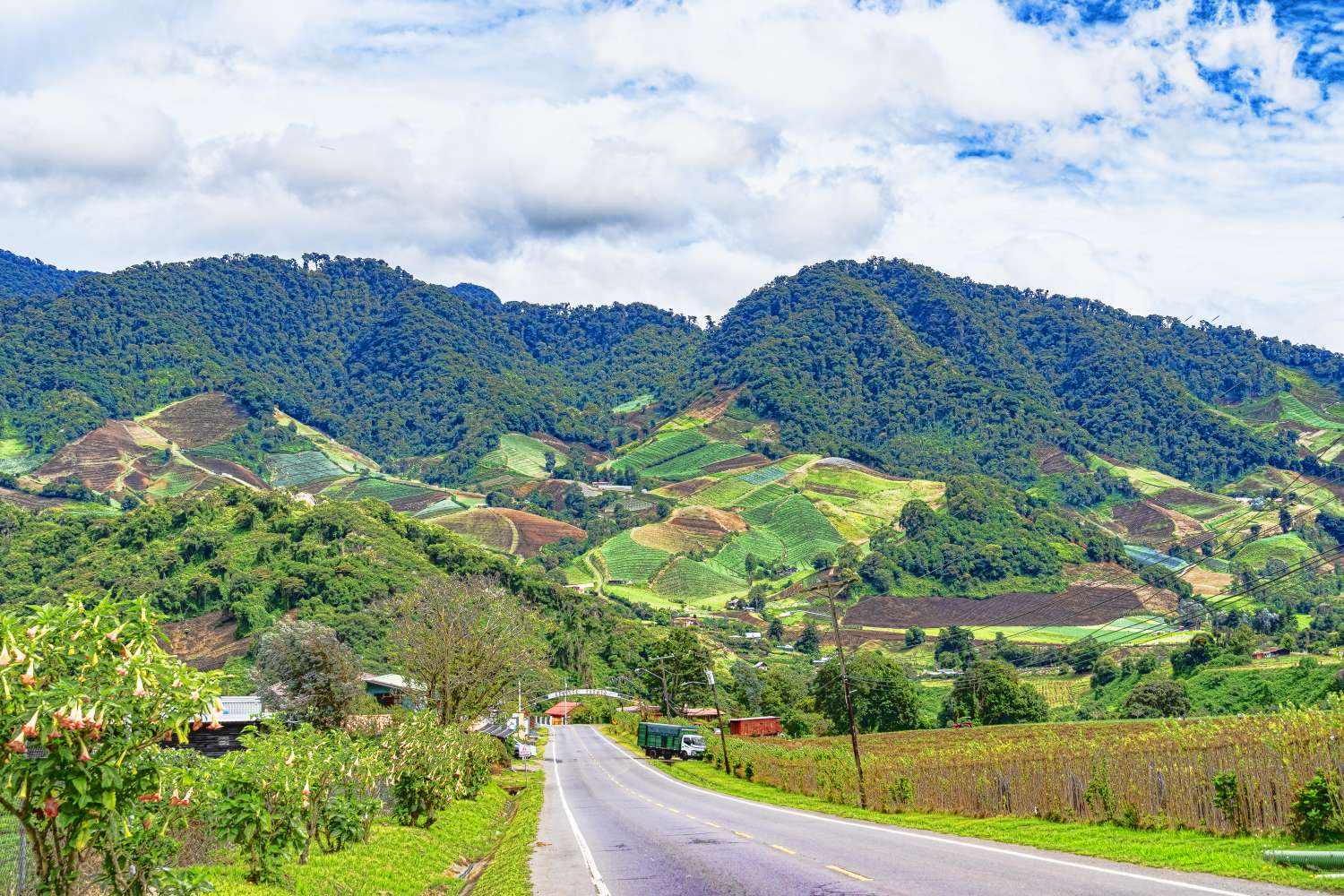


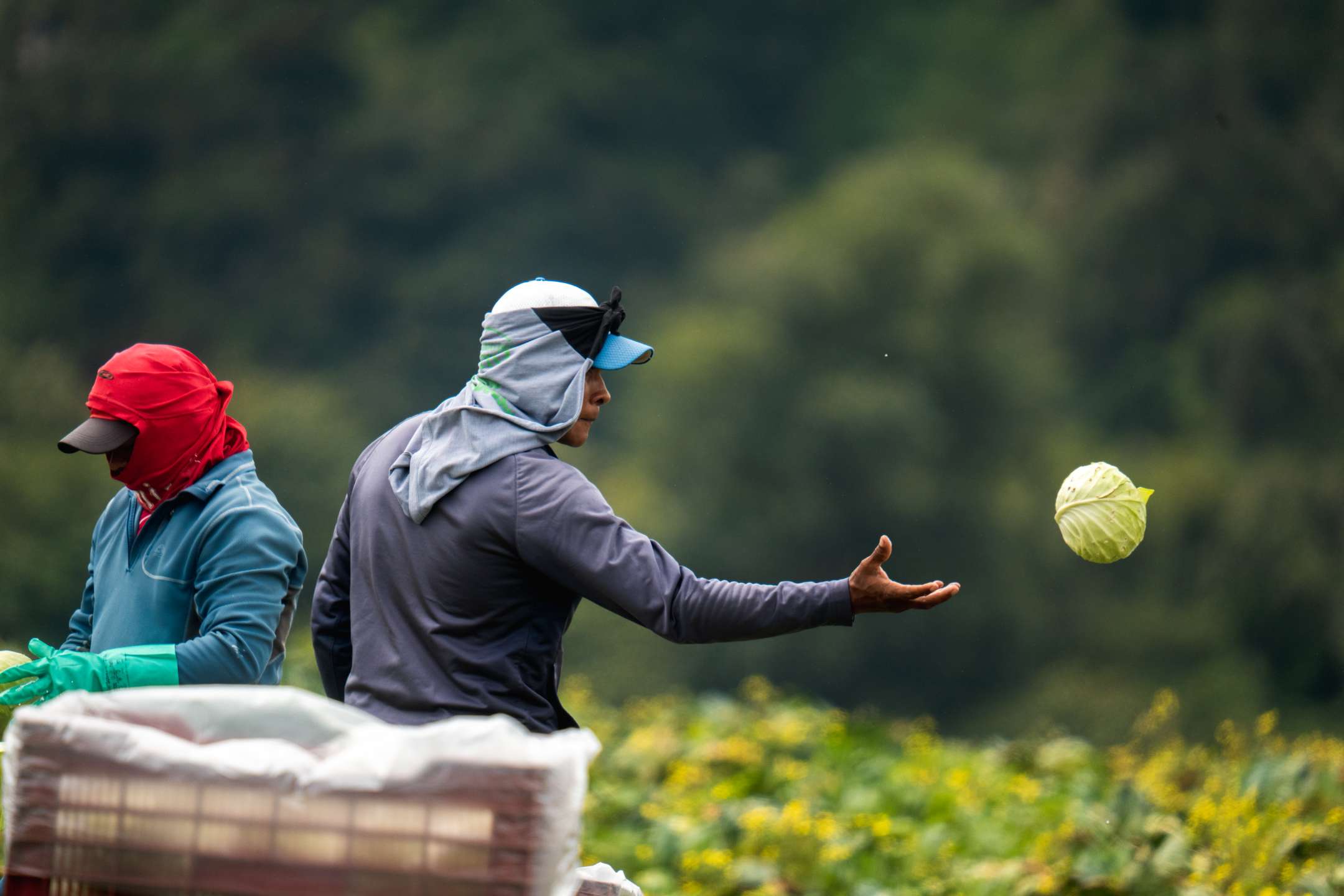
For decades, Chiriqui has served as the agricultural backbone of Panama. Its high-altitude coffee, livestock farming, dairy products, and horticultural output have sustained both domestic consumption and a significant portion of the country’s food supply. However, the province’s economic narrative has recently begun to shift toward a new focal point: logistics and strategic infrastructure. This is an ongoing transition that is reshaping how western Panama engages with both domestic and international trade.
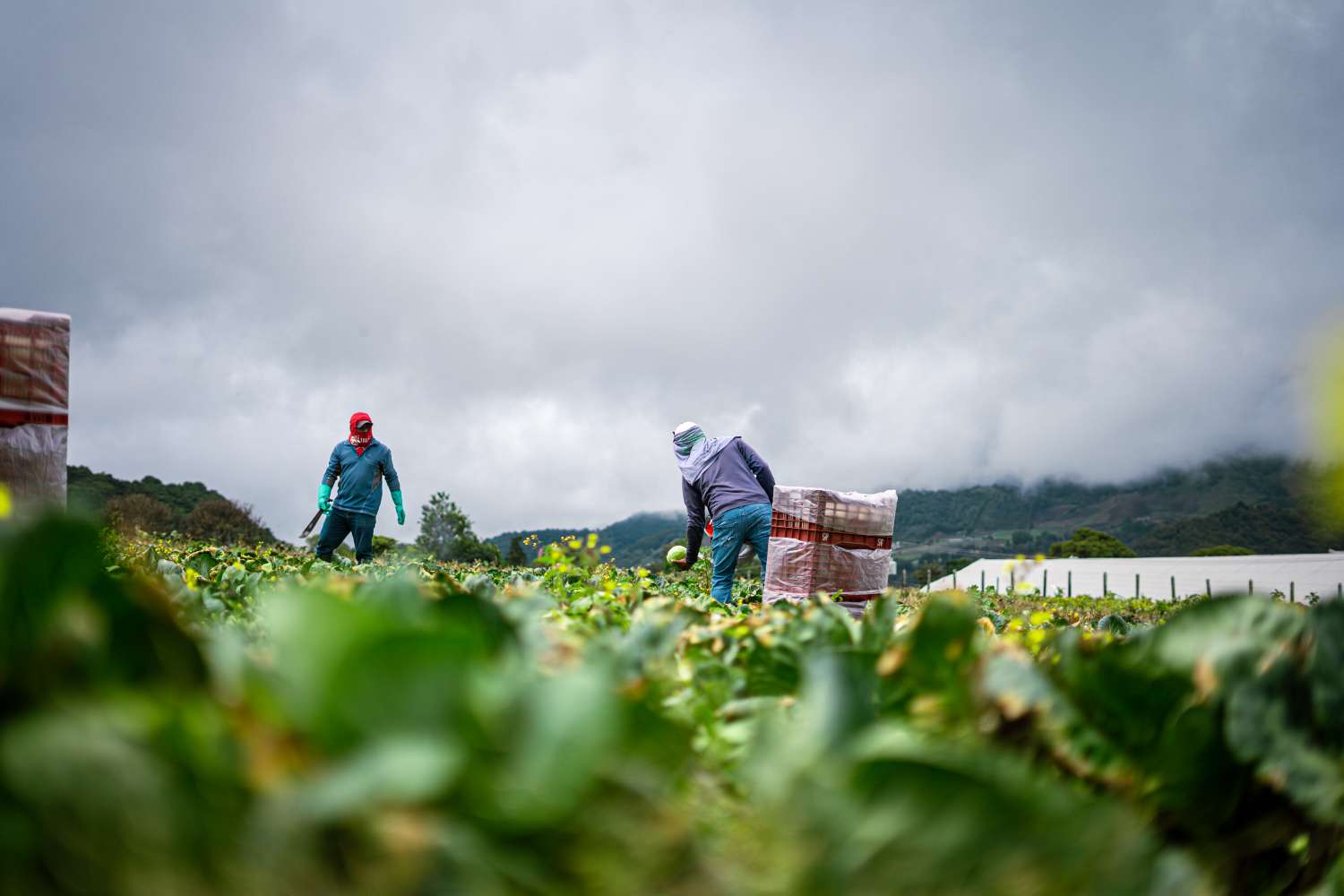
Agro-industry: The Primary Driver of Economic Activity
The economy of Chiriqui maintains a distinctly agro-industrial structure. This sector remains the leading source of employment and economic activity in the province, featuring production chains that span from the Highlands to the valleys of the David District.
However, the model faces structural limitations: high logistics costs to the country’s main export hubs, a lack of advanced industrialization, and a reliance on intermediaries to bring products to international markets.
Infrastructure: A Factor Transforming the Economy
In recent years, public investment in roads, regional connectivity, and modernization of infrastructure has been a key driver of change in Chiriqui. Improvements to routes serving David, the Highlands, and the border with Costa Rica are fostering greater integration across the region’s productive areas.
This process is beginning to create the material conditions necessary for more complex regional integration in the future.
Puerto Baru: A Project Redefining the New Phase
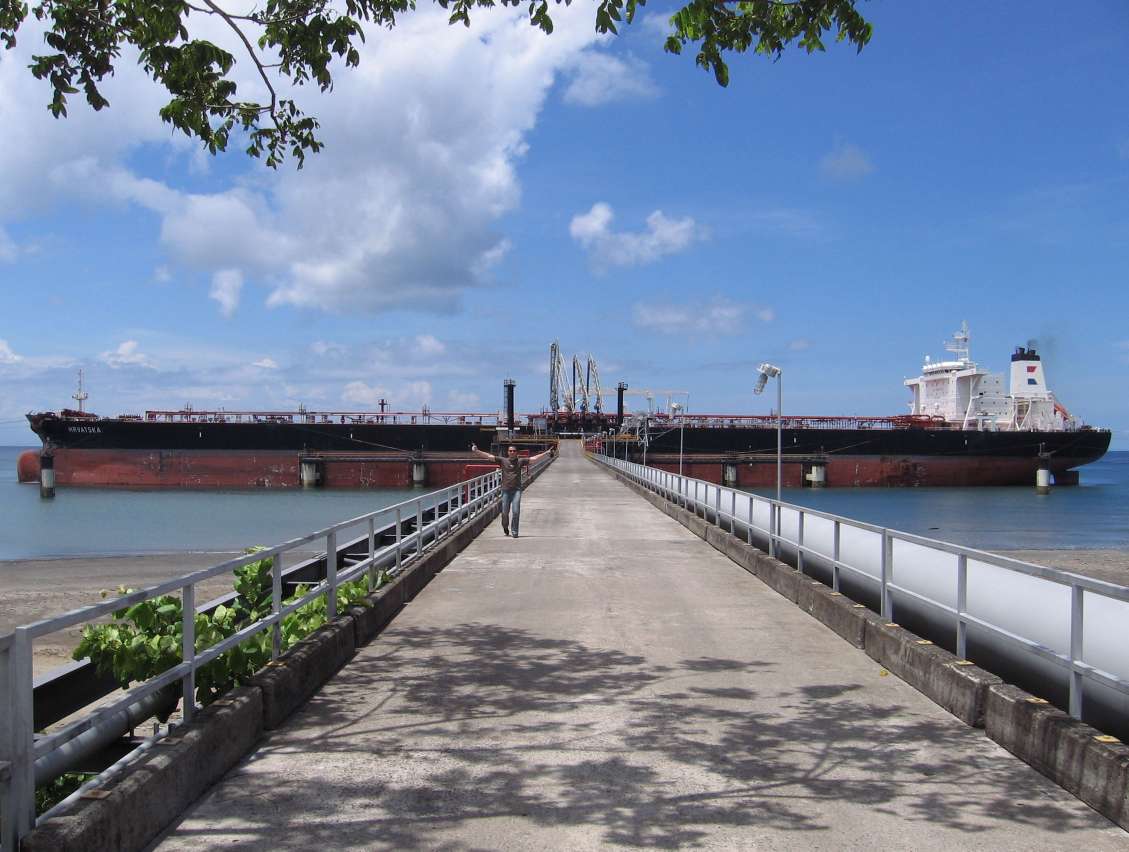
The flagship project of this new phase is the development of Puerto Baru, a multipurpose port initiative with an estimated investment of nearly $250 million.
Its goal is to enable a portion of the western region’s output to access more direct export routes, thereby reducing reliance on traditional hubs in the country’s central region.
This future logistic hub has attracted business interest, it remains in the development phase; consequently, its economic impact will be felt in the near future.
Puerto Armuelles: Key to Infrastructure Diversification
In parallel, the rehabilitation of the Puerto Armuelles area aims to bolster the logistics capacity of western Chiriqui. Although it is not yet a fully operational port hub, it plays a complementary role within the strategy to diversify maritime infrastructure.

The Panama-David Railway Corridor
The concept of a railway corridor between Panama and Chiriqui has gained traction as a vision for national integration. However, it currently remains in the conceptual and design phase.
Its prominence in economic discourse reflects a growing perception: the need to improve structural connectivity in western Panama.
Towards an Agro-Logistics Corridor
Today, Chiriqui is moving toward becoming an international logistics hub, with plans to build the consolidated, multimodal infrastructure required to compete with established logistics centers in the region.
Yet, a more strategically significant development is underway: the gradual formation of an Agrologistics corridor linking production with export potential. Chiriqui is currently a region in transition a territory where the traditional economy and logistics ambitions are beginning to converge.