

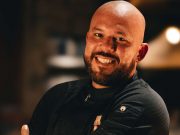
Chef Jose Aparicio: “It is essential to understand the origins of our dishes in...
Grasping a country's gastronomy and its full potential requires professionals who begin developing a deep knowledge of the ingredients and spices that distinguish Panamanian recipes from an early age. For this reason, our featured guest is a chef who started out helping his mother and aunts in the kitchen during family gatherings as a child. He gained experience in fast food before finding his path alongside renowned chefs such as Fabien Mingy, Luis Mendizabal, Cuquita de Arias, and Laurent Tourondel. Today, Chef José Aparicio heads the kitchen at the renowned Kaandela restaurant in Casco Antiguo and shares his vision of Panamanian gastronomy—and its contribution to the development of national tourism—exclusively with The Visitor - El Visitante.
Panamanian cuisine has everything it takes to become an international culinary destination with a distinct identity. What would it take to elevate it to that level?
"First—and for me, most importantly—we need a united sector aligned with a shared vision. Panama is already part of the international gastronomic scene, and we have wonderful colleagues who proudly represent our cuisine.
We need to solidify a structure that positions us as a top-tier culinary destination. When we work toward a shared vision, everything else follows naturally."
Which Panamanian dishes truly embody the country's cultural and historical essence, and what can we do to help them transcend our borders?
"For me, there are several. They range from something as simple yet steeped in history as a torrejita de bacalao (salt cod fritter) to something as iconic and authentic as sancocho.
As professionals, we have a responsibility to know our history; today’s market demands it. Understanding the origins of our dishes is essential to conveying their true essence. We don't need to 'elevate' our native cuisine; we need to learn how to communicate the significance these dishes hold within our culture."
Panamanian gastronomy needs to look inward to find ingredients that set our culinary offerings apart. What do you consider the culinary industry's main challenge in achieving this and showcasing Panama from a different perspective?
"We need to give greater visibility to those products. It can be a complex path, but that is precisely where the value lies. It is a challenge worth taking on because not only do we learn as chefs, but we also help rescue ingredients that have been forgotten—or, in some cases, never became widely known.
Many of those products were never viewed as possibilities for creating new recipes. Rediscovering and highlighting their value is also a way to speak about Panama, to celebrate our essence, and to tell our story through gastronomy."
Kaandela restaurant is located in Casco Antiguo. How does this important historic district contribute to creating an immersive and diverse dining experience? What remains to be developed?
"Casco Antiguo offers a unique blend of history, architecture, culture, and gastronomy. Support from Panama City Mayor's Office has been crucial in revitalizing this area, and I believe they have done a great job in that regard.
It is a diverse place where various culinary concepts and offerings coexist, enriching the experience for our visitors. The next step is to continue showcasing that full potential—both locally and internationally—so that more and more people discover the culinary richness Panama has to offer."
What is Kaandela’s culinary concept, and what kind of experience does it aim to create for local and international diners?
"Kaandela is a restaurant that explores the Panamanian landscape. We undertake expeditions to various regions of the country in search of unconventional ingredients. On each trip, we learn about the culture, cuisine, and techniques that local communities have preserved for generations.
After each expedition, we research these ingredients, understand their history, and explore new ways of interpreting them using contemporary techniques. It is a challenge that keeps us constantly learning and evolving creatively.
Our goal is for diners to share in those experiences—to discover new flavors and learn the stories of the communities we visit. It is our way of telling the story of Panama with passion and authenticity."
Tell us about the restaurant's three most popular dishes and why they resonate so strongly with diners.
"We know exactly which dishes resonate most with our diners.
Buscando Guayaba: This is undoubtedly our signature dessert. It perfectly embodies the Kaandela concept, combining identity, a sense of place, creativity, and memory in a single dish.
Fish Crudito: The balance of acidic flavors, spicy notes, and crunchy textures makes this a very fresh, light dish full of personality. Zapato de Langosta: Much of our menu is built around non-traditional ingredients; this dish stars *arroz rojo colorado* (red rice), sourced through the work of the Toabré Foundation in El Copé. It is an extraordinary ingredient that reflects our commitment to researching and preserving Panama's culinary heritage."
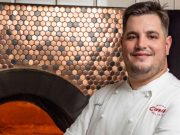
Chef Marco Carlesso: “Today, Italian food in Panama is not perceived as something foreign;...
In Panama, if there's one cuisine that has truly resonated with the Panamanian palate and culture, it's Italian. This influence dates back to the beginning of the 20th century and is now helping to make Panamanian gastronomy a highly attractive tourist destination. For this reason, our Flavors segment guest is a master pizza chef and gastronomic entrepreneur born in Novara, Piamont, Italy. Based in Panama since 2013, he is a founding partner of Pizza Verace, a famous pizzeria recognized in 2025 as one of the 100 best in the world, the same year he co-founded the contemporary Italian restaurant Ricominciare. Considered one of the key figures in artisanal pizza in Panama and regionally, Chef Marco Carlesso shares exclusively with The Visitor El Visitante his vision of Italian gastronomy in Panama and how is helping local tourism to grow.
Why has Italian food been so beloved and popular in Panamanian culture for decades?
"The Italian community arrived here generations ago and continues to leave its mark. That history became tradition, and tradition became the identity that defines us. Today, Italian food in Panama isn't perceived as something foreign because for many, it's a tradition in global gastronomy. Even more so for us, since we've won awards, bringing honor to Panama”.
In Italy, gastronomy is a tourist destination in itself. What can Panama learn or apply from the Italian example to transform its gastronomic industry into a complete tourism product?
"It's necessary to tell the story behind each dish, certify products, create gastronomic experiences, and invest in training chefs. Italy took decades to build that narrative. Panama can do it faster because it already has the raw materials in its land; it just needs to organize them with vision and importance”.
How important is Italian cuisine within the culinary scene in Panama, and how does it help boost both the gastronomic and tourism industries?
"It's fundamental, and the numbers prove it. Pizza Verace was born in 2020 as a small catering and delivery business, Ricominciare in 2025, and today, just a few years later, it was recognized in The Best Pizza Awards 2025 ranking, reaching the 74th position among the 100 best pizzerias in the world. This year, we reached position number 24 in the Top 50 Pizzas in Latin America and won first prize in Top Pizza 2026. That's not just an achievement for us; it's an achievement for Panama, which has trusted in our work”.
Why is it necessary to develop pizza within the Italian gastronomy of a restaurant, and why does it always connect so well with diners?
"Pizza has that unique ability to generate instant happiness. But behind that apparent simplicity lies enormous discipline. A good pizza requires knowledge of fermentation, the oven, and timing. In my pizzerias, we make authentic Neapolitan pizza, with a thin crust, baked in a wood-fired oven, using top quality imported ingredients such as Casillo flour, San Marzano DOP Solania tomatoes, and Sorrentina mozzarella. Countless customers have returned to our restaurants after tasting it”.
What is the concept behind your restaurant Ricominciare, and what do you hope to evoke in local and international diners?
"Ricominciare means “to start over” in Italian. Located in Punta Pacifica, Ricominciare aims to offer a fine Italian dining experience that combines top-quality ingredients, traditional techniques, and a modern approach, all within an elegant and intimate setting, perfect for special occasions, romantic dinners, or private events”.
Describe the three most popular dishes at your restaurant Ricominciare.
"Polpette alla amatriciana, Pizza Ricominciare, and Pasta Caserecce al ragù di borgo. I know there are other favorites among our diners, but these are the most frequently ordered”.
Photos courtesy: Chef Marco Carlesso- Ricominciare Restaurant.

Javier Colina: “Growing up surrounded by different cultures allowed us to understand both local...
Panamanian gastronomy has been innovating and creating unique spaces that didn't previously exist in the local culinary and entertainment scene. The ability to project...

Chef Luis Mendizabal: “Working with discipline and a consistent focus on quality is what...
Panama is a cradle of culinary talent that demonstrates the marked growth of our gastronomy as a tourism product. Each creation made with passion...