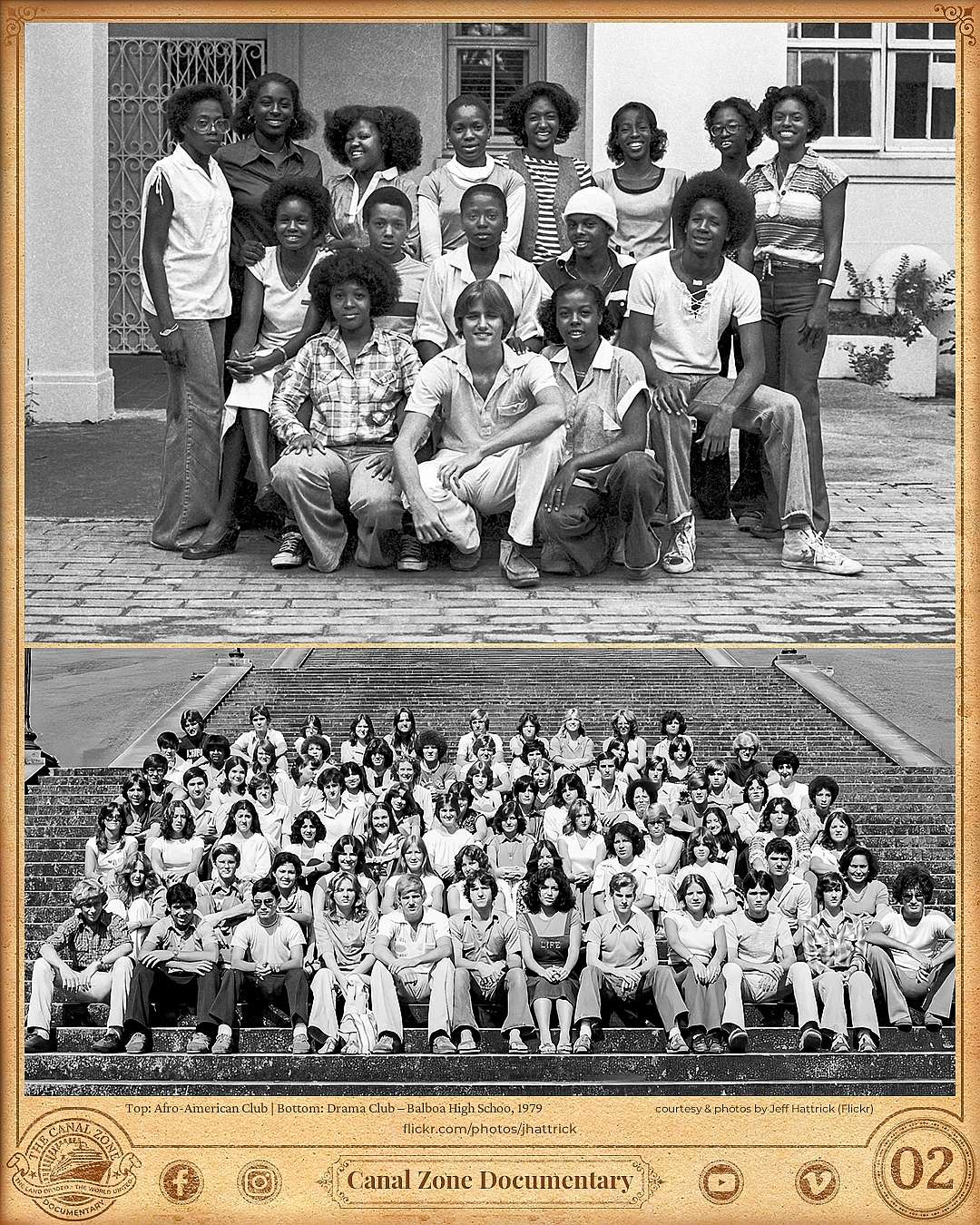

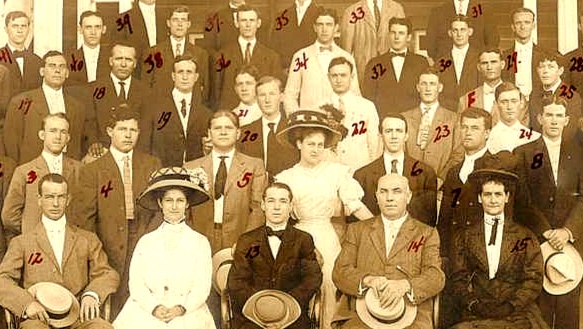
The so-called “Zonians”—United States citizens who lived in the Panama Canal Zone for much of the 20th century—can be considered, without exaggeration, one of the first large groups of expatriates in Panama. Their presence was not only massive since they lived along side the whole length of the waterway, but also left an economic, cultural, and even touristic mark that continues to resonate in the country.
A Story That Begins in 1904
It all began after the Hay-Bunau-Varilla Treaty, which granted the United States control of the Canal Zone. Starting in 1904, thousands of engineers, military personnel, administrators, and their families moved to this strategic enclave. At its peak, especially between the 1940s and 1970s, it is estimated that between 40,000 and 60,000 Americans lived simultaneously in the Zone. If those located in nearby areas of Panama City and Colon are added, the total number increases substantially.
Community with an American Lifestyle
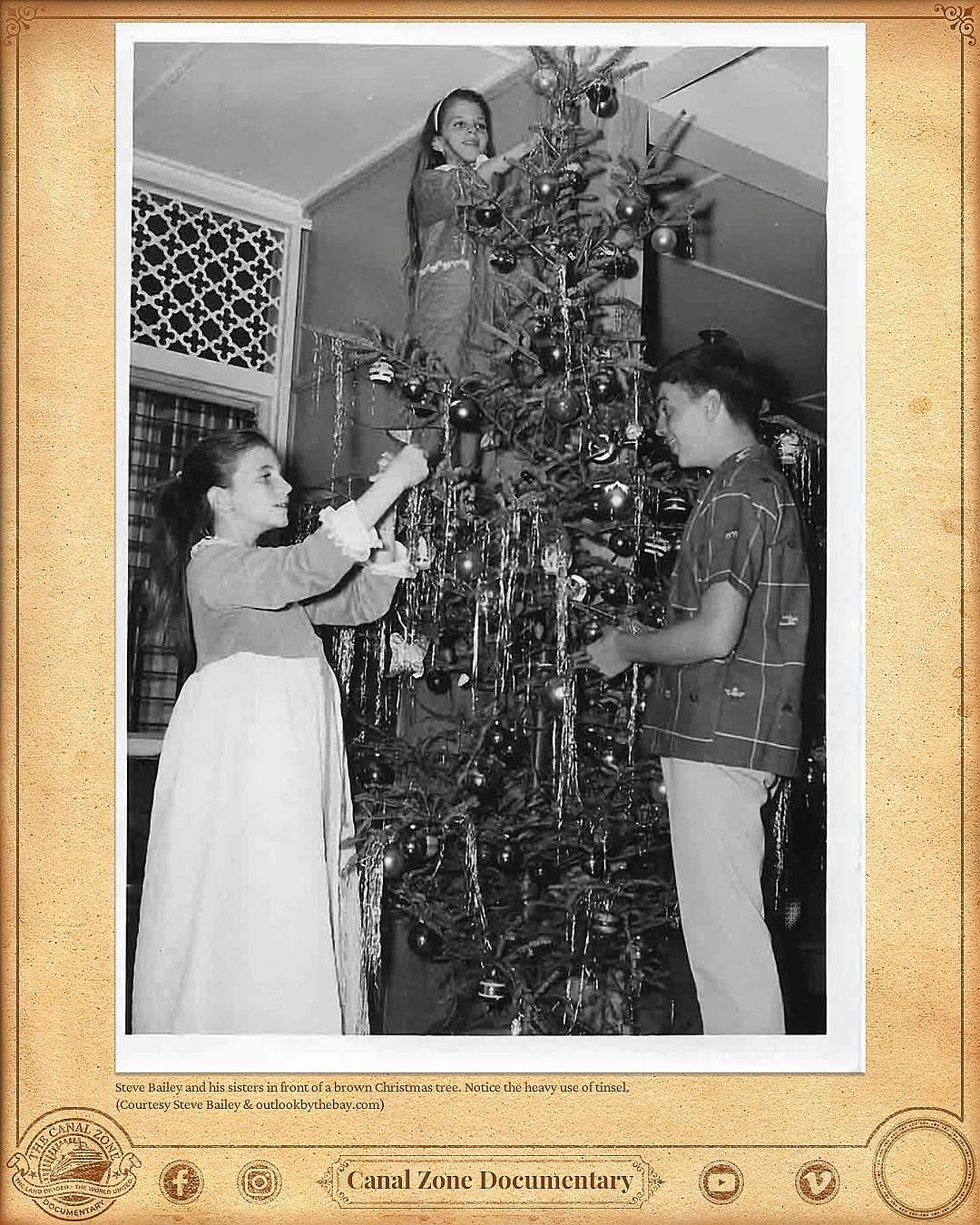
Within the Canal Zone, the Zonians developed a virtually self-sufficient community. Schools, hospitals, supermarkets, and social clubs replicated the American lifestyle, while English and the dollar dominated daily life. Planned neighborhoods with higher standards began to reinforce this sense of a “bubble,” separated both physically and culturally from the rest of Panama. This model anticipates what we understand today as expatriate enclaves, although in this case with state support and on an unusual scale.
Significant Impact on the Panamanian Economy
In economic terms, its impact was complex. Although the Zone operated as an enclave, its presence generated significant indirect effects in Panama. Tens of millions of dollars a year—flowed into the local economy through services, supplies, transportation, and consumption outside the controlled area. Thousands of Panamanians worked within the Canal system, albeit under unequal wage structures. Businesses and services in the capital depended in part on the spending of this population, which generated between $270 and $600 million annually ($900 to $2 billion in today’s figures).
Influence on Panamanian Tourism
A less discussed, but equally relevant, aspect is its indirect contribution to tourism. The presence of thousands of Americans generated a constant flow of visitors: family, friends, and contacts who traveled to the Zone and ended up exploring the Pacific beaches, El Valle de Anton, and activities primarily in Panama City. The Panama Canal became a global icon, attracting international attention. Around it, Panama City began to develop hotel, restaurant, and service infrastructure that laid the foundation for modern tourism. More than traditional tourism, it was a constant flow of visitors that helped put Panama on the map.
A Stage that Ended on December 31, 1999
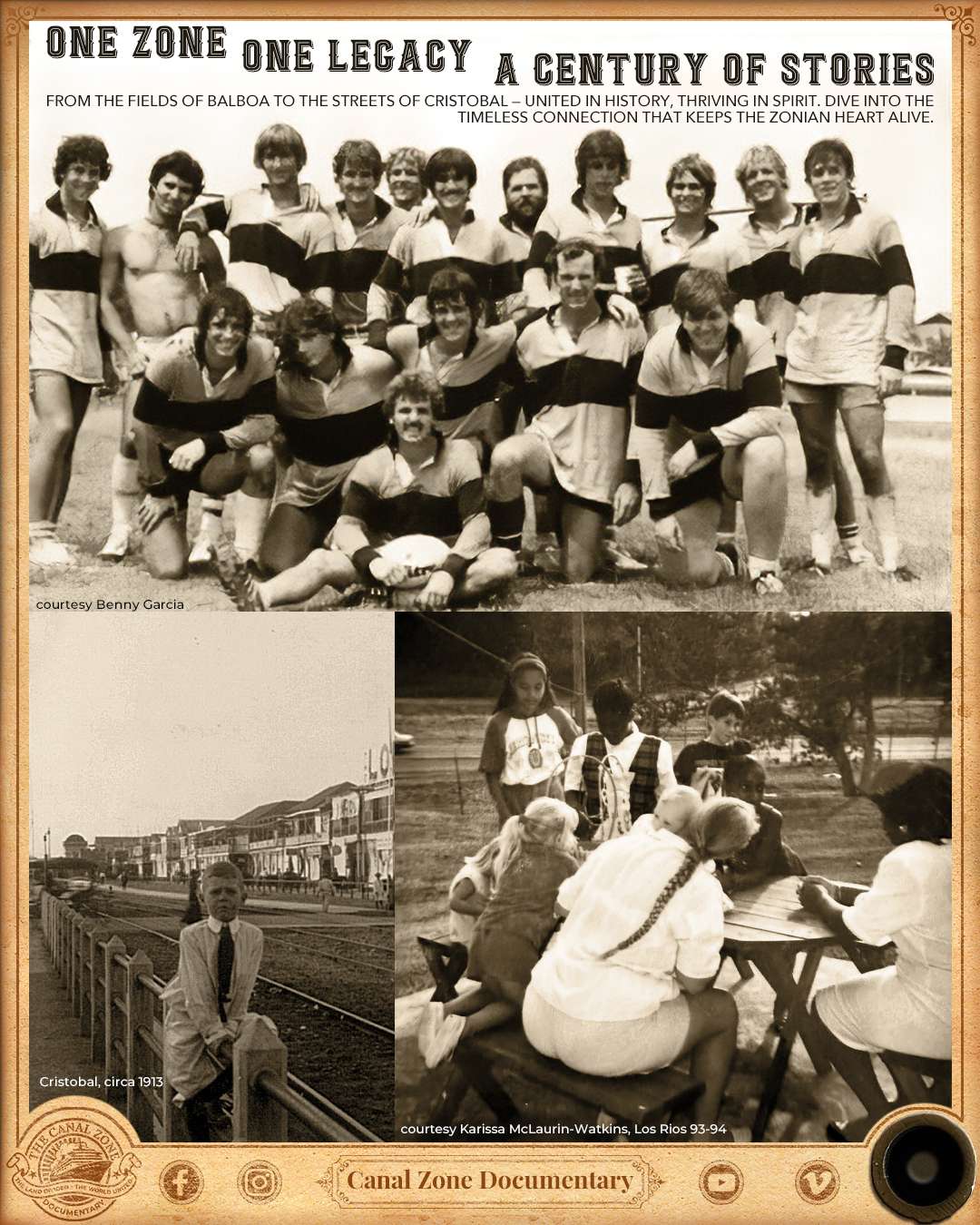
The Zonians’ story changed definitively with the Torrijos-Carter Treaties, which established the progressive transfer of the Canal to Panama, culminating on December 31, 1999. However, the end of U.S. control did not mean the complete disappearance of this community. Many Zonians decided to stay. For some, Panama was the only home they knew; for others, the quality of life, the climate, and the opportunities in the reverted areas were reason enough to stay. Over time, many became more deeply integrated into Panamanian society, building bridges that once seemed impossible.
The Zonians were a historical phenomenon linked to the Canal: they also marked the beginning of an ongoing relationship between Panama and the expatriate communities that continue to arrive in the country.