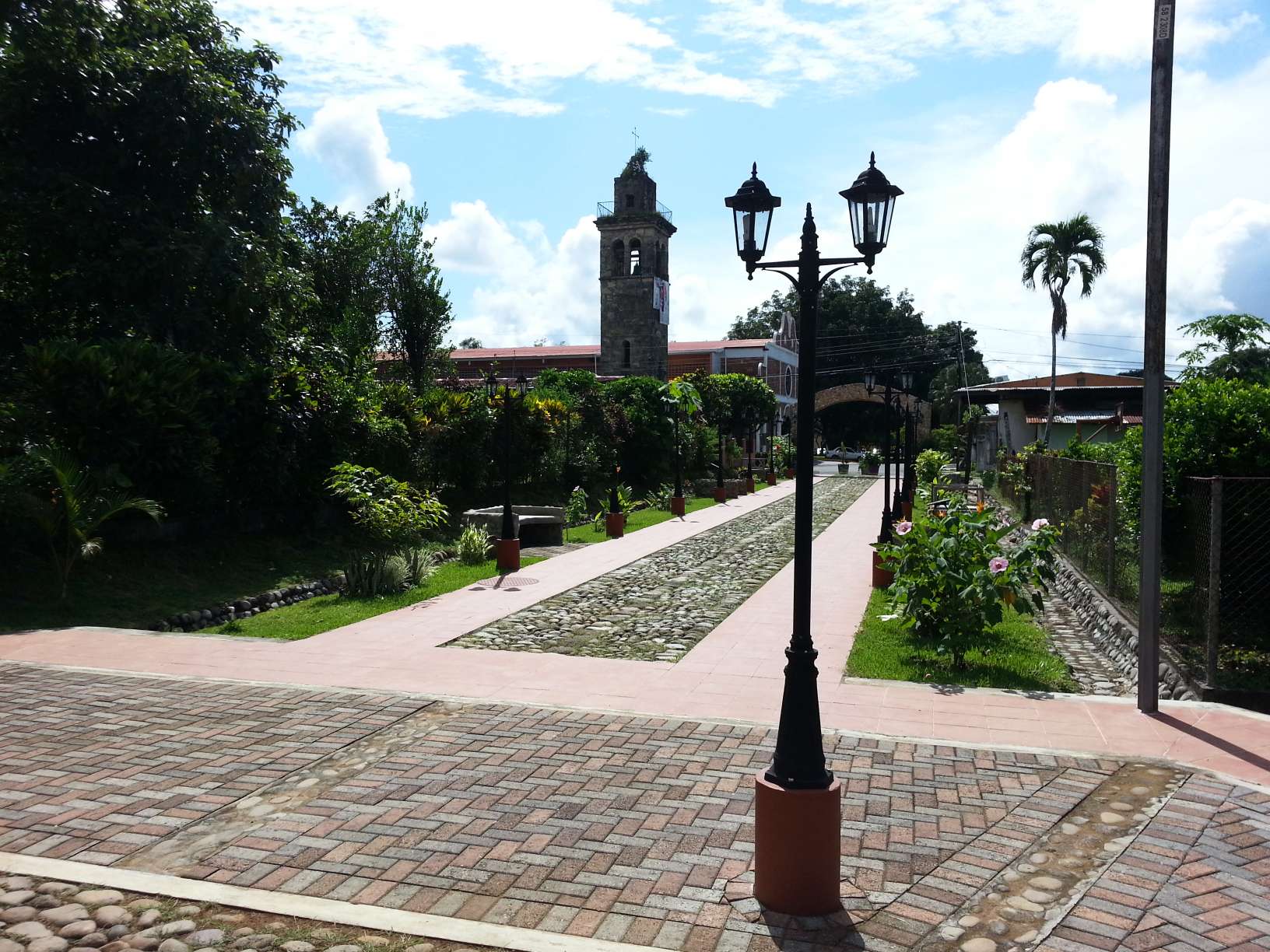


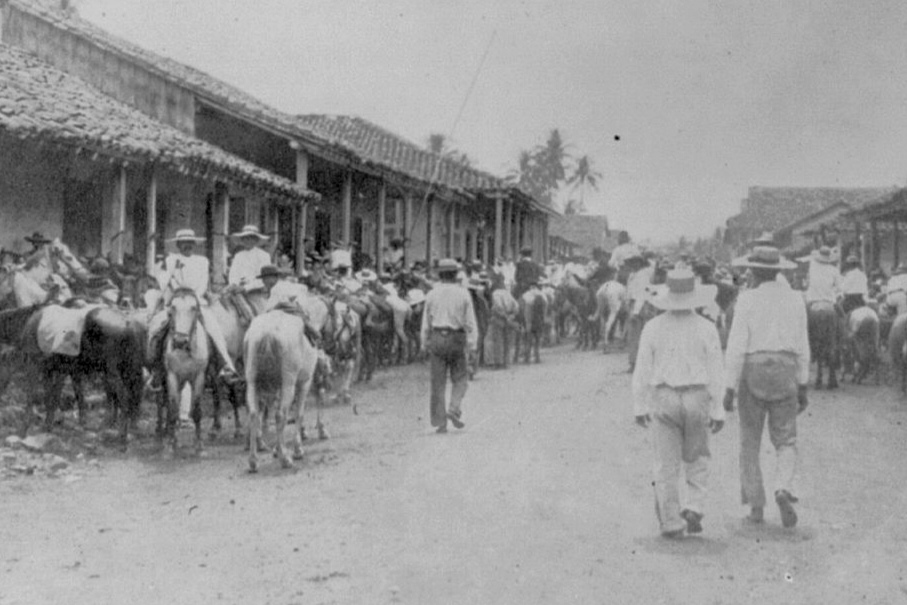
For decades, the story of Panama’s separation from Colombia has been associated almost exclusively with November 3, 1903. Yet, more than forty years earlier, a group of citizens gathered in David committed to writing one of the most compelling political arguments for the Isthmus’s right to decide its own future.
Among these documents, one stands out—though little known outside academic circles—as playing a pivotal role in the evolution of Panamanian separatist thought: the Act of the Popular Assembly held in David City on March 31, 1861, known simply as the David Act.
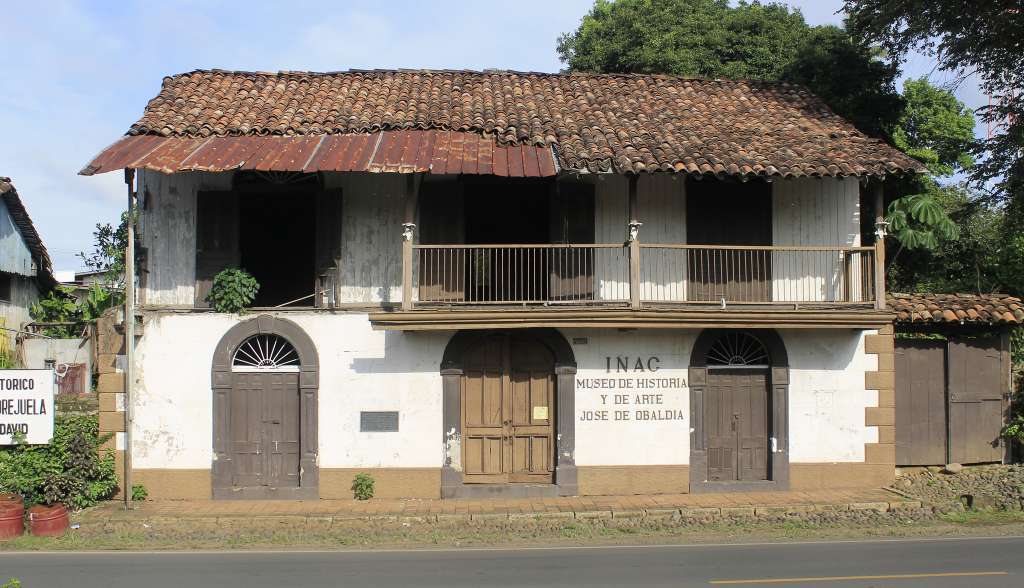
A Country in the Midst of Crisis
In 1861, the State of Panama was part of the Granadine Confederation, during a period marked by civil wars, constitutional changes, and profound political instability in Colombia.
Since 1830, Panama had been the scene of various movements for autonomy and separation, including those led by Jose Domingo Espinar, Juan Eligio Alzuru, and Tomas Herrera—who proclaimed the Free State of the Isthmus in 1840. The David Act is part of that political tradition.
The Santiago Declaration
On March 21, 1861, 151 prominent figures gathered in Santiago de Veraguas and approved a momentous document. In it, they declared that the State of Panama should secede from the Granadine Confederation and organize itself as an independent state, calling upon the governor to convene an extraordinary legislative session to determine the political future of the Isthmus. That resolution was sent to the State’s other departments to gauge whether there was sufficient support for a decision of such magnitude.
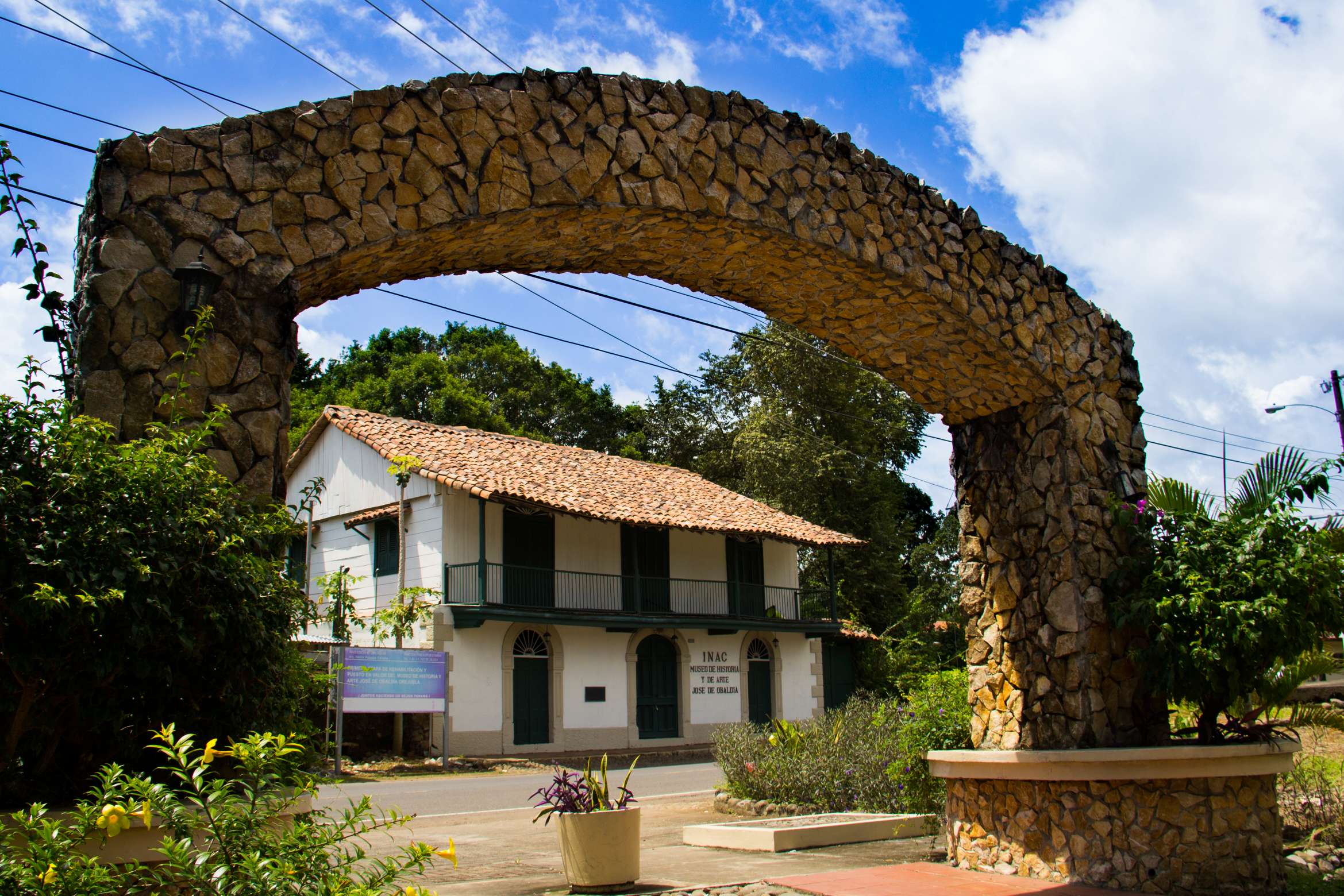
The Response from David City Ten Days Later
On March 31, 1861, citizens of David gathered for a public assembly. After reading the document from Santiago, they approved an extensive political declaration stating that the majority of the Department of Chiriqui fully shared the conclusions reached in Veraguas.
One of its most memorable passages asserts that experience had shown the union with New Granada had not led “to the happiness of the former”, while another maintains that the ideal of the Isthmus’s independence could only be rejected due to vested interests or political passions. These ideas foreshadowed many of the arguments that would resurface during the separation of 1903.
A Legacy That Transcended Its Time
The movement of 1861 ultimately did not succeed. Political circumstances shifted, and the separatist project was abandoned before it could take hold. Nevertheless, its historical significance remains undiminished.
The David Act demonstrates that, decades prior to 1903, a political consciousness already existed—one that viewed Panama as a community with its own distinct interests, separate from the internal conflicts plaguing Colombia. Today, stands as a vital document for understanding that Panamanian independence was not a spur-of-the-moment event, but rather the result of a long, complex historical process deeply rooted in the aspirations of those who—from various corners of the Isthmus—envisioned a country capable of self-governance.