
Located in the northwestern corner of Panama—in Changuinola District, Bocas del Toro Province—lies San San Pond Sak, one of the most important coastal ecosystems in the Central American Caribbean. Situated very close to the Costa Rican border, this natural refuge encompasses beaches, wetlands, mangroves, lagoons, and tropical forests that harbor exceptional biodiversity. Its ecological significance earned the Ramsar Site of International Importance designation, making it a benchmark for conservation and sustainable tourism in Panama.
A History Linked to Indigenous Communities
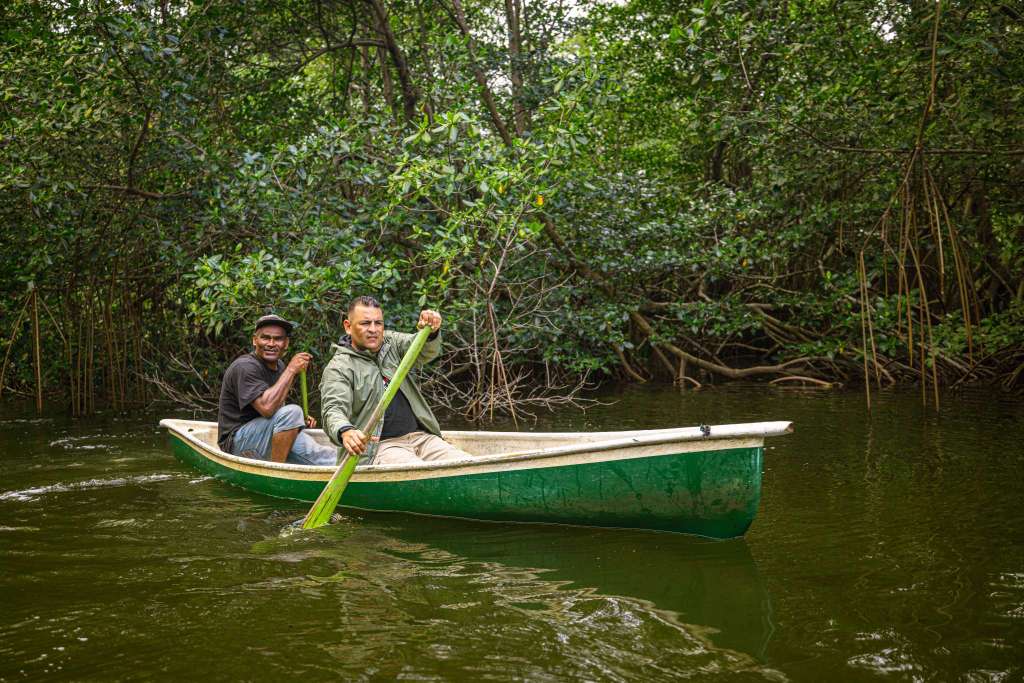
Long before becoming a protected area, San San Pond Sak was a territory used by Ngäbe indigenous communities and Afro-Caribbean populations for fishing, agriculture, and river transport. The San San River served as a natural transportation route and an essential resource for the region’s inhabitants.
Over the years, scientists identified the area’s extraordinary biological richness, noting in particular that it is a primary feeding ground for the Antillean manatee and a crucial nesting site for several sea turtle species. These findings drove efforts to secure official protection and, subsequently, international recognition as a wetland of global importance. Today, San San Pond Sak stands as a prime example of participatory conservation in Panama, where local communities, environmental organizations, and authorities collaborate to protect this natural heritage.
Beaches, Lagoons, and a River that Flows Through a Canal System
A tour of San San Pond Sak offers a variety of landscapes. San San Beach is renowned as a major nesting site for the leatherback turtle—the planet’s largest sea turtle—and also hosts green and hawksbill turtles during the nesting season.
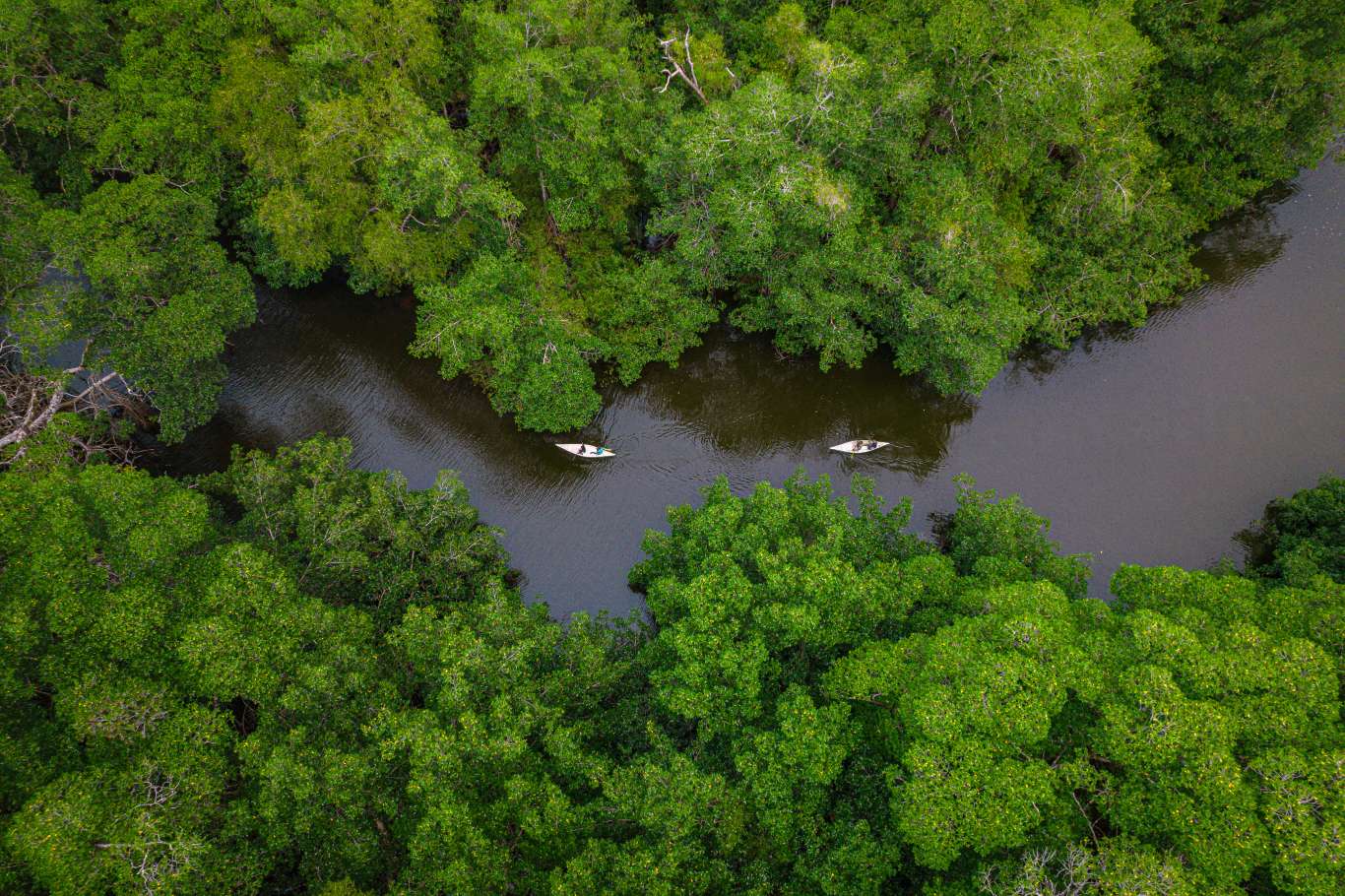
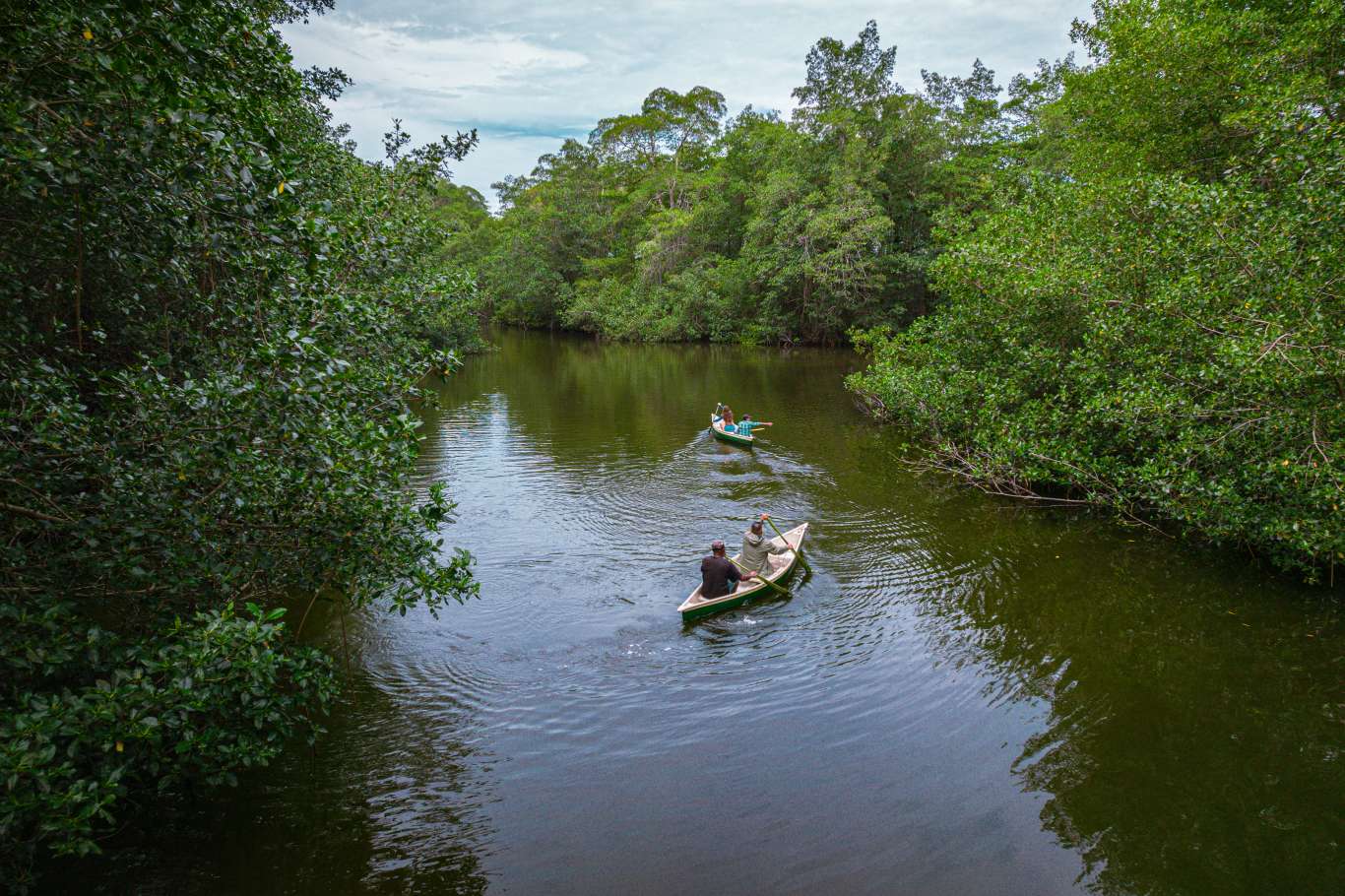
The San San Pond Sak lagoons form a tranquil network of mangrove-lined canals, perfect for exploring by kayak or small boat while observing wildlife.
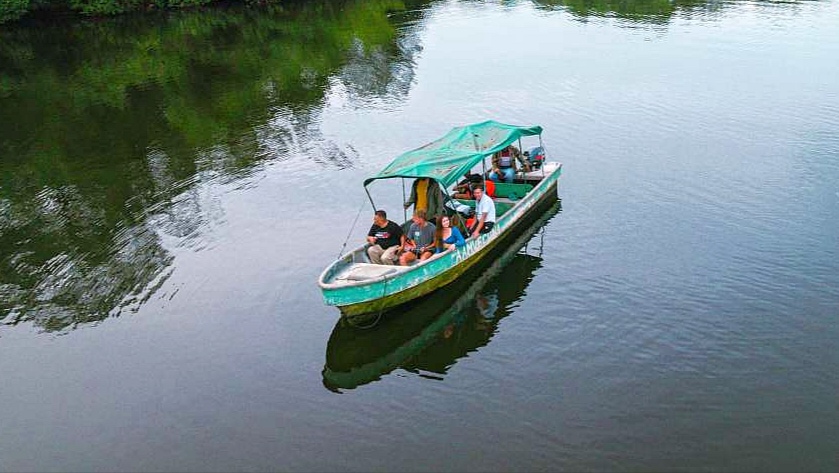
The San San River flows through the protected area, offering scenic routes where visitors can admire the tropical forest and, with a bit of luck, spot manatees in their natural habitat.
Nearby lies Boca del Drago, famous for its Caribbean beaches and crystal-clear waters, as well as the communities of San San and Guabito, where visitors can experience local culture and enjoy the region’s traditional cuisine.
One of theCaribbean’s Richest Areas for Biodiversity
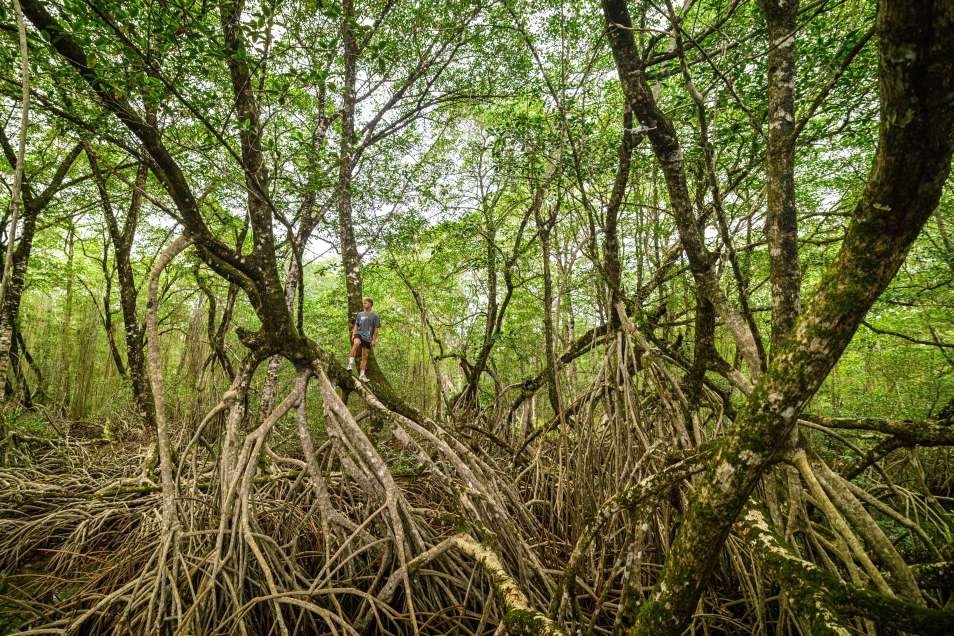
San San Pond Sak protects one of the highest concentrations of biodiversity in the Panamanian Caribbean. While the Antillean manatee is its flagship species, the area is also home to howler monkeys, white-faced capuchins, sloths, caimans, frogs, reptiles, and an extraordinary variety of butterflies.
With over 350 recorded bird species—including both resident and migratory birds—the area is a prime destination for birdwatching. During nesting season, the beaches also offer the chance to witness sea turtles laying their eggs via guided tours conducted under strict conservation guidelines.
Activities to Discover Nature
Boat or kayak trips through the canals offer a chance to discover stunning mangroves and lagoons, while interpretive trails facilitate the sighting of birds and other species native to the tropical rainforest.
Nighttime visits to witness turtle nesting are among the destination’s most memorable experiences. These are complemented by photography tours, wildlife viewing, visits to local communities, and excursions to other nearby attractions in Bocas del Toro.