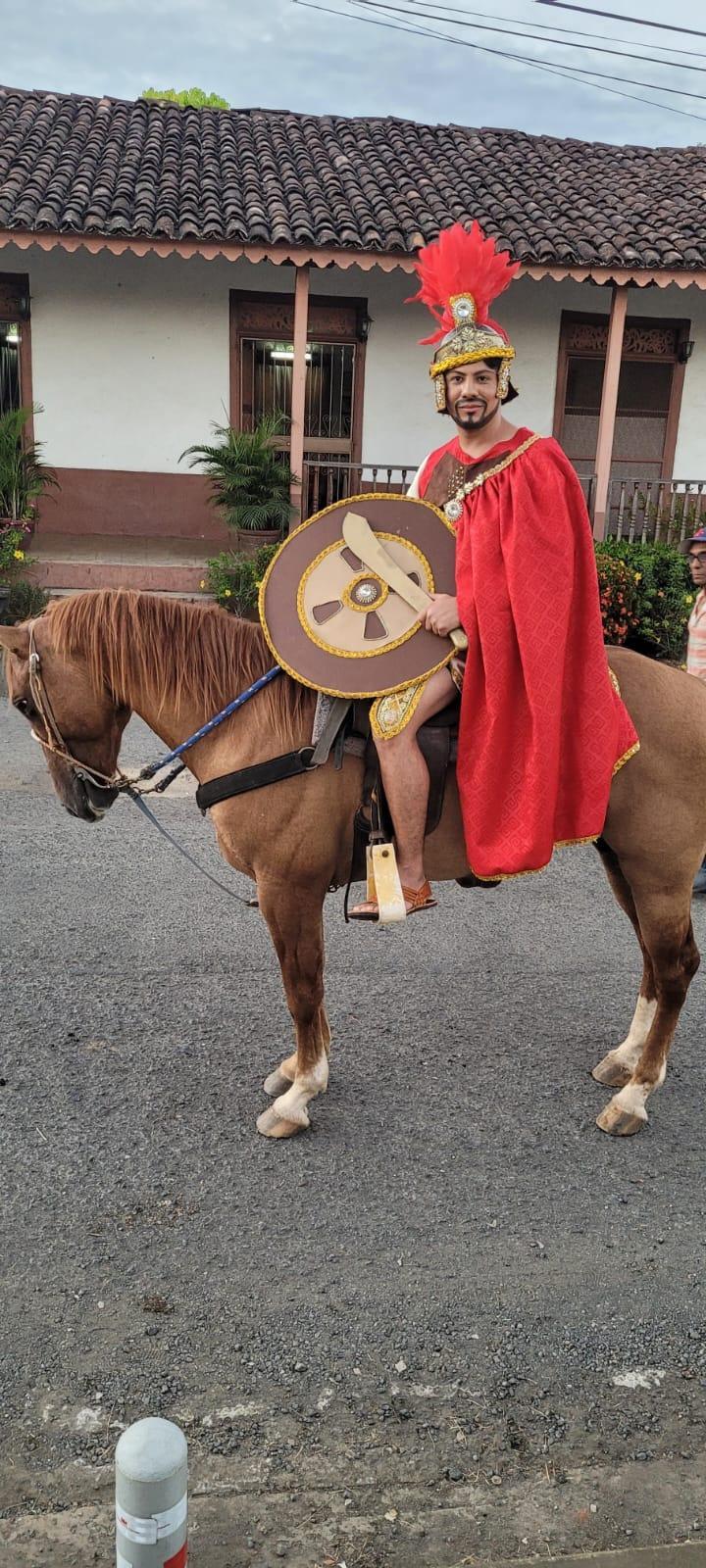


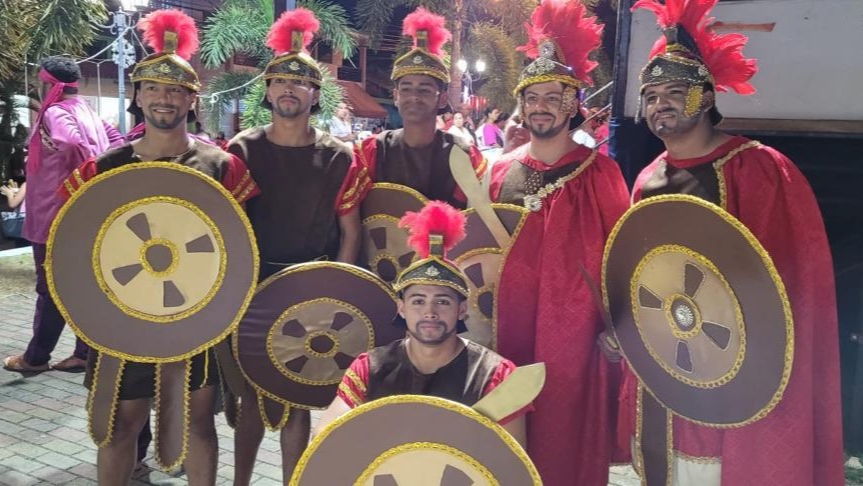
The popular Three Kings’ Play is one of the oldest cultural and religious expressions in the Azuero region. This tradition is presented annually as part of the Canajagua Folkloric Encounter in the district of Macaracas, Los Santos province, and constitutes a legacy passed down from generation to generation since 1820.
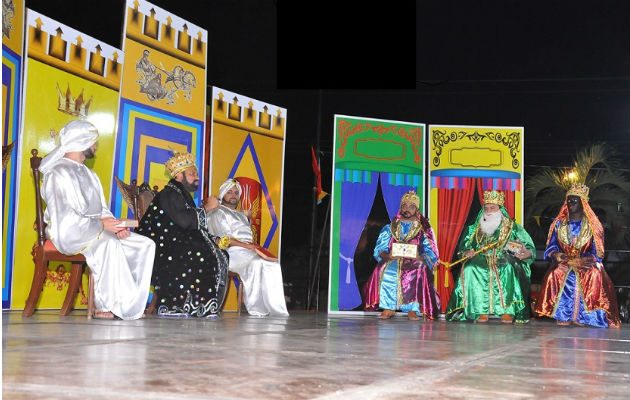
Reenactment of the Biblical Passage of the Visit of the Kings
The performance recreates the biblical passage of the visit of the Three Kings to the Baby Jesus and has remained alive thanks to the direct participation of the town’s inhabitants. More than 50 local actors, of different ages and without formal theater training, take on the roles in the play with the aim of preserving a custom that forms part of the district’s historical identity.
From the Houses Porches to the Town Square
During its early years, the drama was performed in the porches of the town’s houses. However, in 1971, due to the growing number of attendees, the performance was moved to Gelo Cordoba Square, becoming a larger and better-organized public event. This change allowed the activity to gain greater visibility and solidify its position as one of Macaracas’ most important cultural festivals.
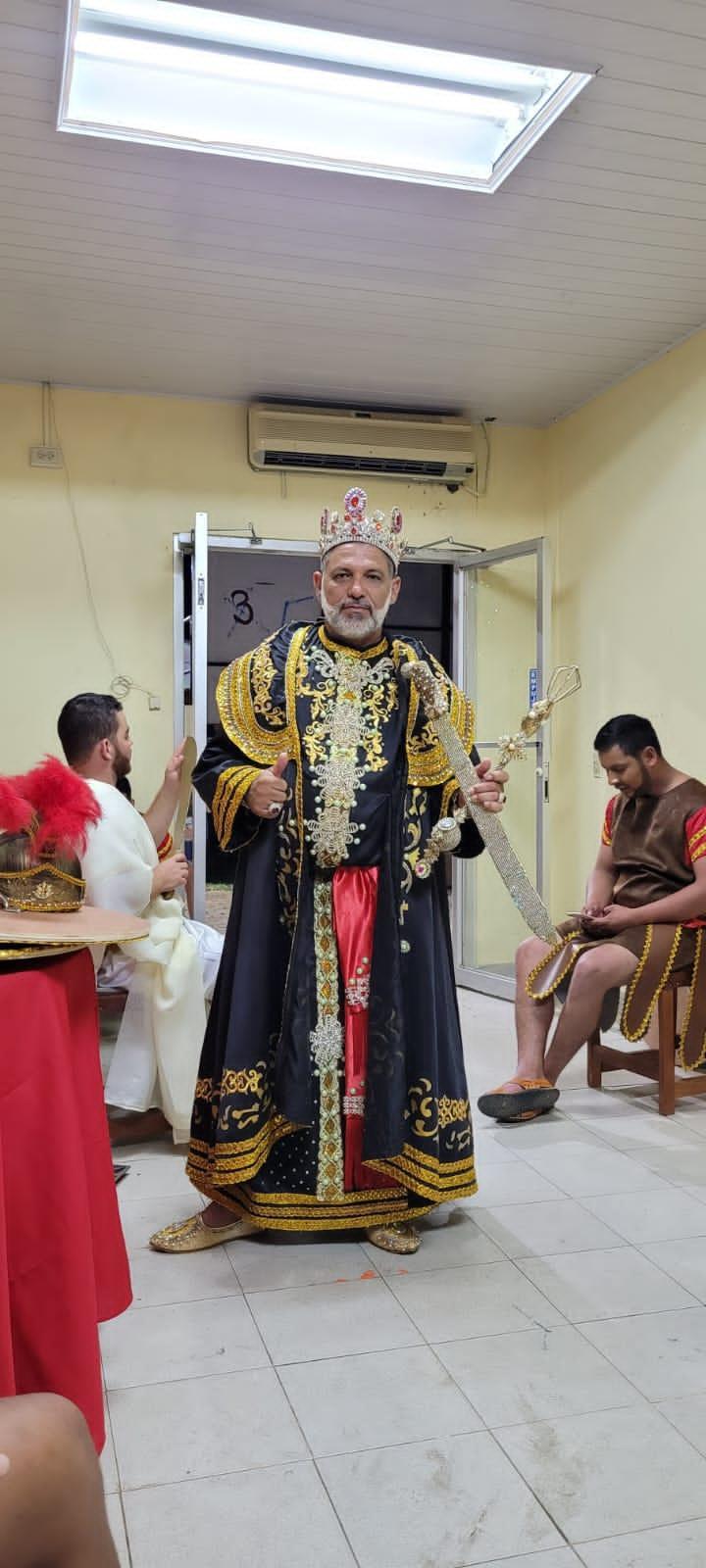
A Journey Faithfully Following the Traditional Story
Currently, the drama begins with a procession of the Three Kings through the town’s main streets, culminating at the Ricauter “Catito” Vergara stage. Afterward, the characters proceed to meet King Herod and continue their journey to the Nativity scene located in the San Juan Bautista Church, faithfully following the traditional story.
Canajagua Folkloric Encounter
The dramatization is the main event of the Canajagua Folkloric Encounter, which will take place from January 2nd to 6th, 2026. This festival includes other cultural activities such as the making of traditional sandals (cutarras), corn pounding, drumming, and the mud-wall building procession. These activities culminate in a parade of folkloric expressions, strengthening the cultural and community value of the event.
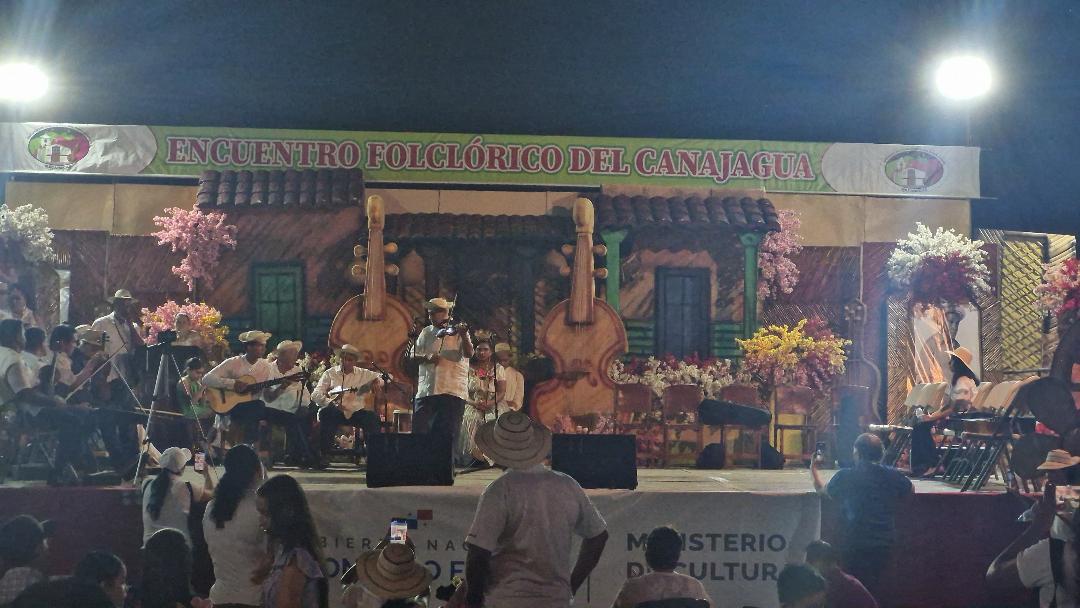
The drama of the Three Kings remains a central element of the history and cultural life of Macaracas, reaffirming the town’s commitment to preserving its religious and cultural traditions.