


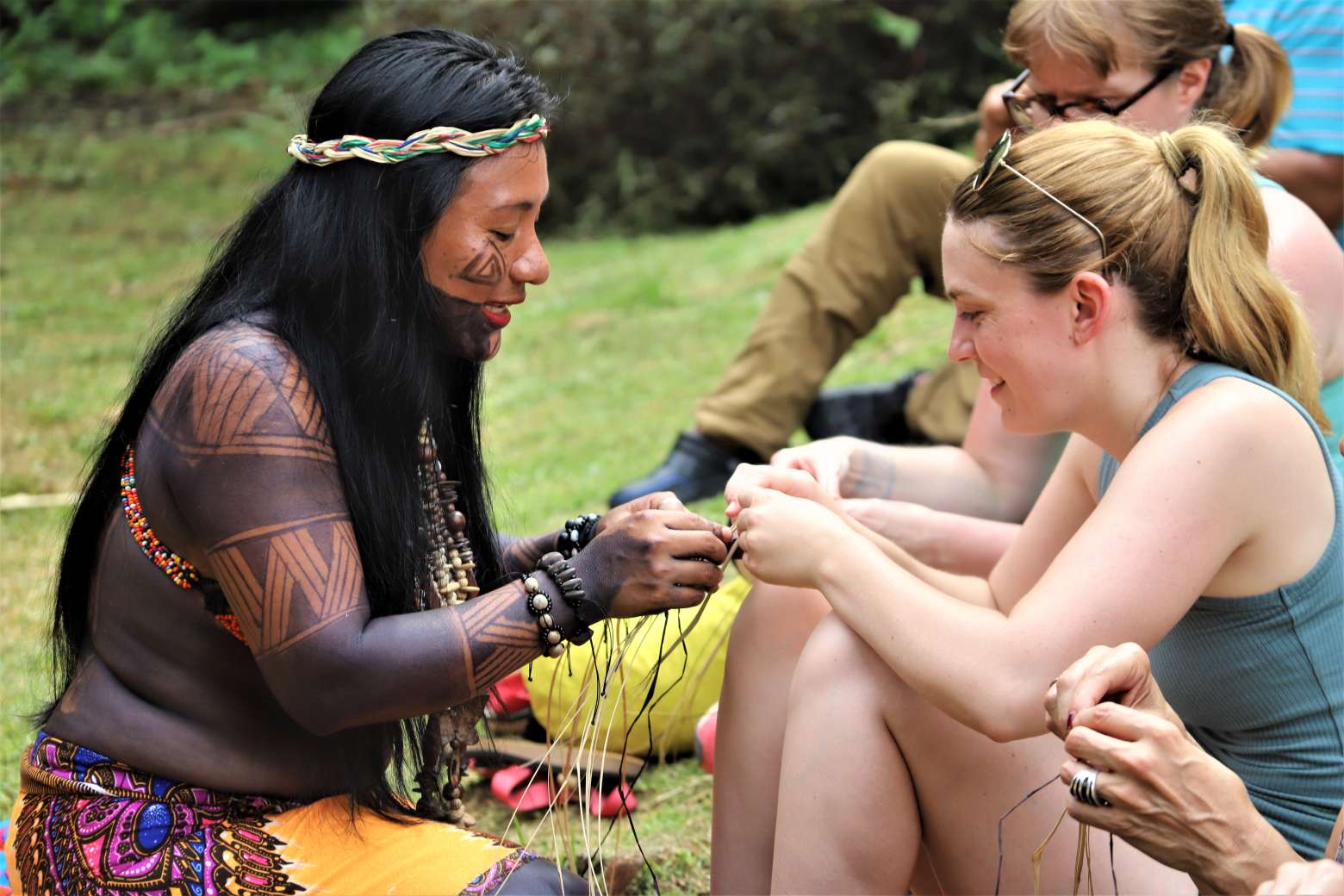
Indigenous tourism has established itself as one of the most authentic expressions of sustainable tourism in Latin America. It is not simply about visiting communities, but about participating in experiences where Indigenous peoples are the protagonists, custodians of their culture, and direct managers of the benefits generated by the activity. In Panama, this vision has found a key vehicle in the work of the Indigenous Tourism Network of Panama (REDTURI PANAMA), a non-profit, 100% Indigenous organization.

An Experience that Diversifies the Tourism Offer
The essence of Indigenous tourism lies in respect for the worldview, self-governance, and norms of each territory or region. When developed correctly, it diversifies the country’s tourism offerings, strengthens cultural identity, and generates economic opportunities directly in the communities.
Tourism that Empowers Communities
The mission of the Indigenous Tourism Network of Panama (REDTURI PANAMA) is to empower communities to develop their own tourism ventures based on their cultural vision. Here, communities are not passive providers, but rather designers of authentic experiences with their own unique identity.
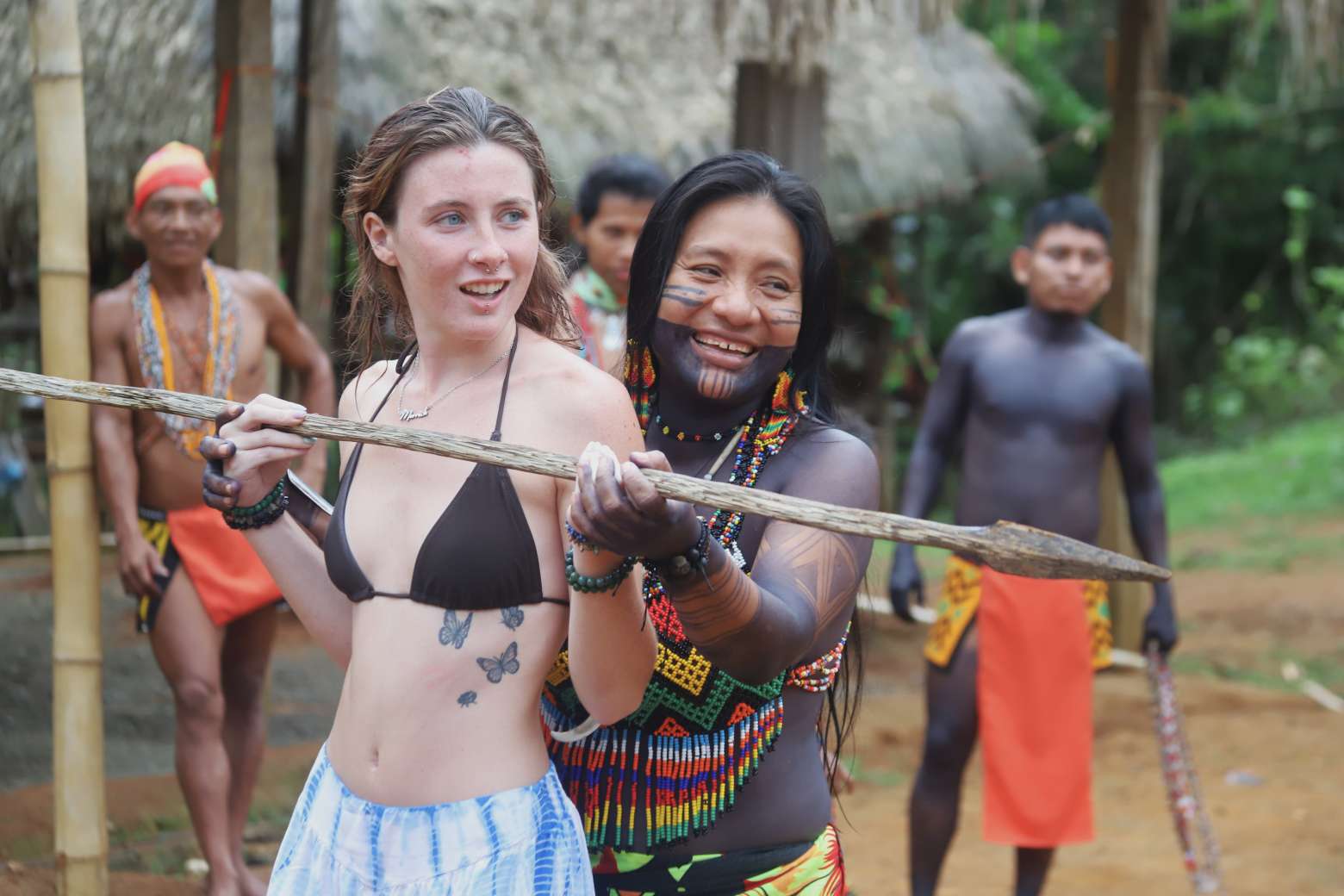
This model promotes Indigenous leadership, protects ancestral knowledge, and ensures that economic benefits remain within the territories. In a global context where travelers increasingly seek genuine and responsible experiences, Indigenous tourism represents a competitive advantage for Panama.
Panama’s Key Advantage in Latin America
Panama possesses a unique advantage: it is the only country in Latin America with a specific law on Sustainable Indigenous Tourism (Law 290), regulated in 2025 with the participation of the Vice Ministry of Indigenous Affairs, the Panama Tourism Authority, and the General Indigenous Congresses. This legal framework not only recognizes the value of the sector but also establishes rules to protect governance, intellectual property, and community participation.
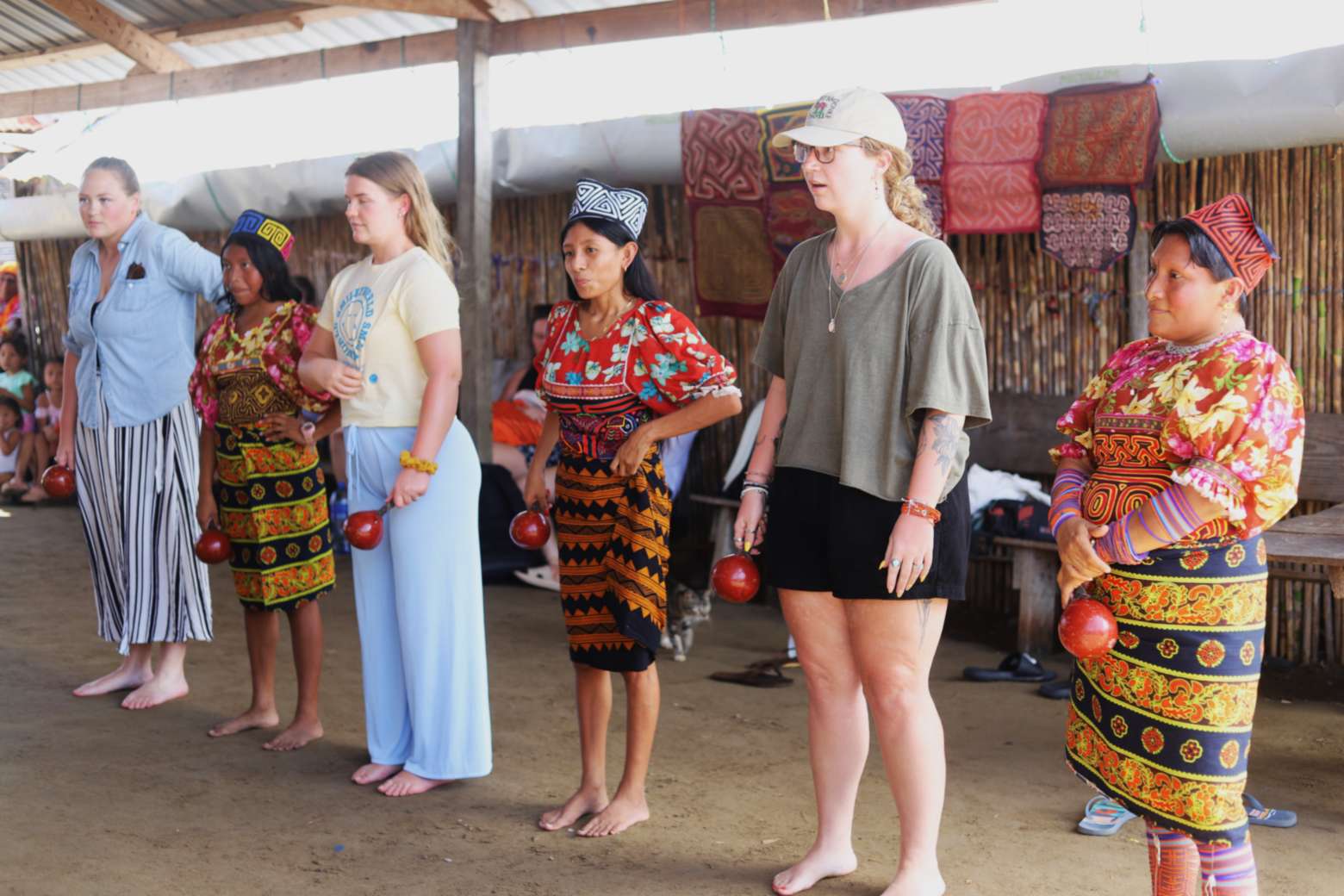
The Key Role of REDTURI PANAMA
The purpose of the Indigenous Tourism Network of Panama is to close the gaps that still exist between the potential and the reality of indigenous tourism. Its work in coordination, training, promotion, and international representation seeks to ensure that the sector’s growth occurs under principles of equity, cultural respect, and sustainability.
Regional Indigenous Summit in Panama
The organization of the II Summit of Indigenous Tourism of Latin America and the Caribbean (CTILAC-2026) in Panama confirms the strategic moment the country is experiencing. This regional meeting seeks to consolidate the Indigenous Tourism Network of Latin America and the Caribbean (RTILAC), generating cooperation among governments, community organizations, and international bodies.
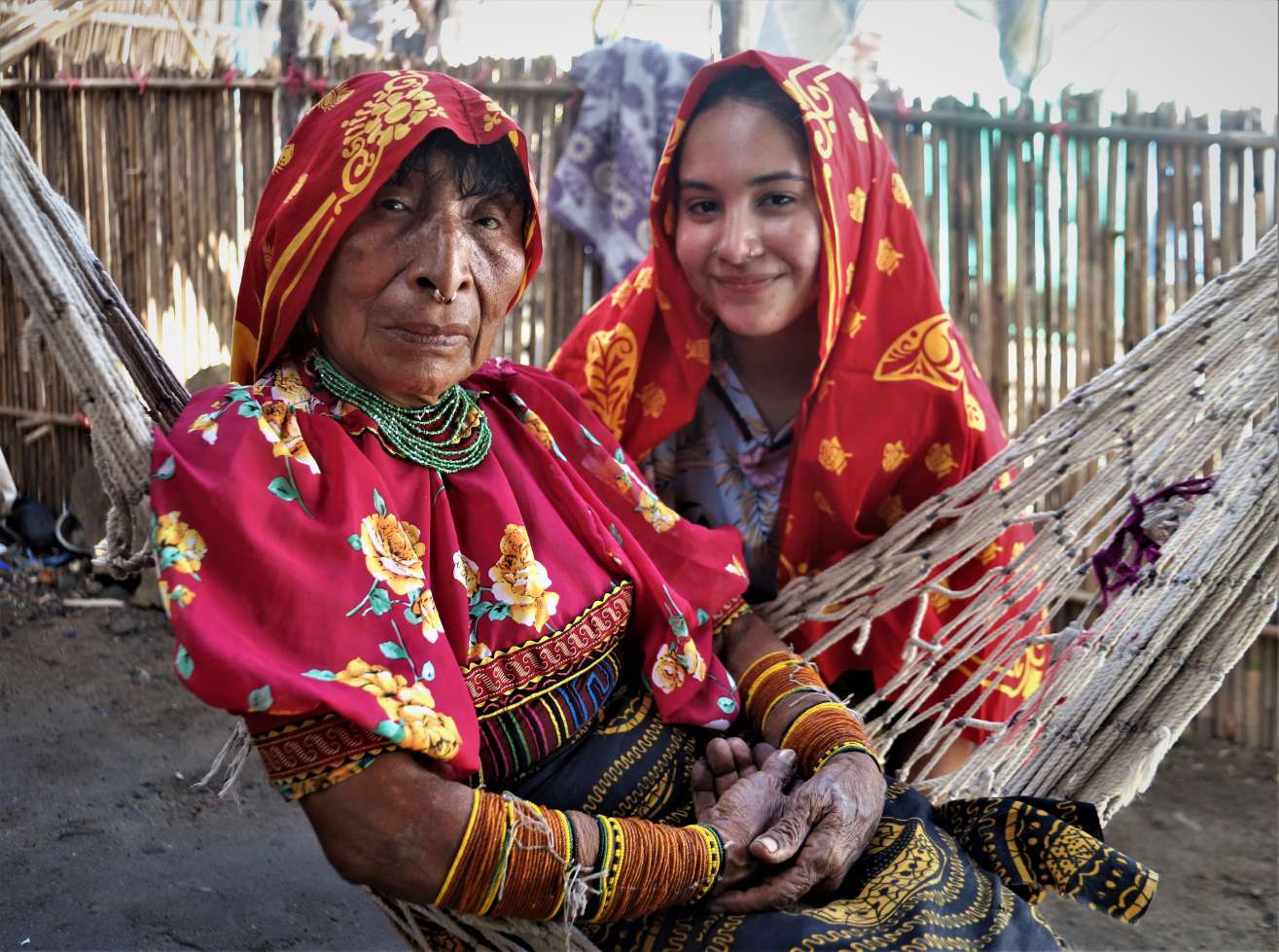
The support of government entities and international partners demonstrates that indigenous tourism has ceased to be a niche market and has become a development policy with a regional focus. REDTURI PANAMA’s prior participation in the International Indigenous Tourism Conference (IITC-2026) in Edmonton reinforces Panama’s connection to global best practices.
In this context, indigenous tourism is the future and one of the most coherent paths toward truly fair and sustainable tourism.