

Colon Province is one of Panama’s richest and most diverse territories for cultural and nature tourism. Its value lies in the profound imprint of colonial history, the vibrant energy of the Congo culture, a unique ancestral gastronomy, and a privileged natural environment.
Colonial History Like Few Destinations in Panama
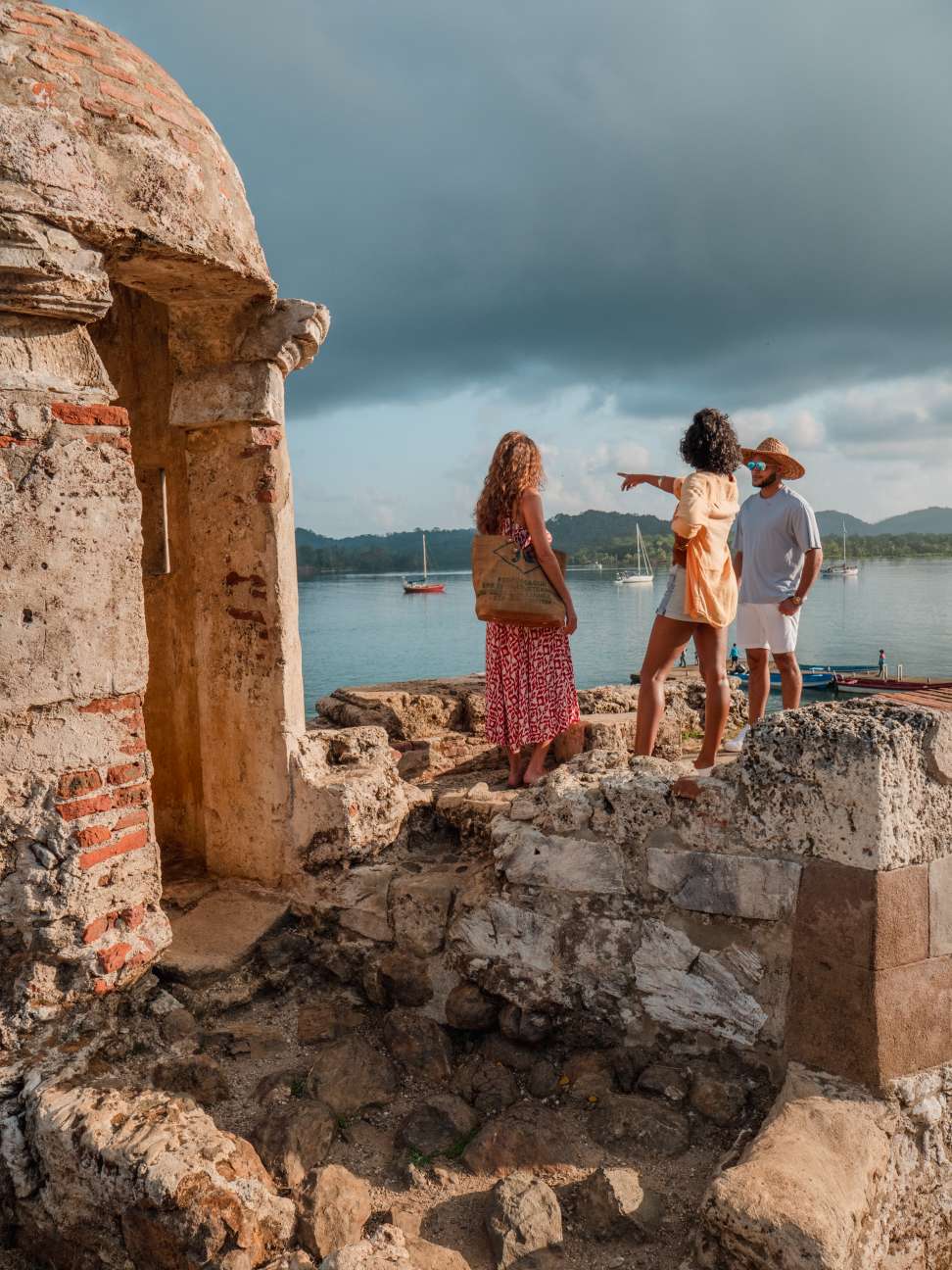
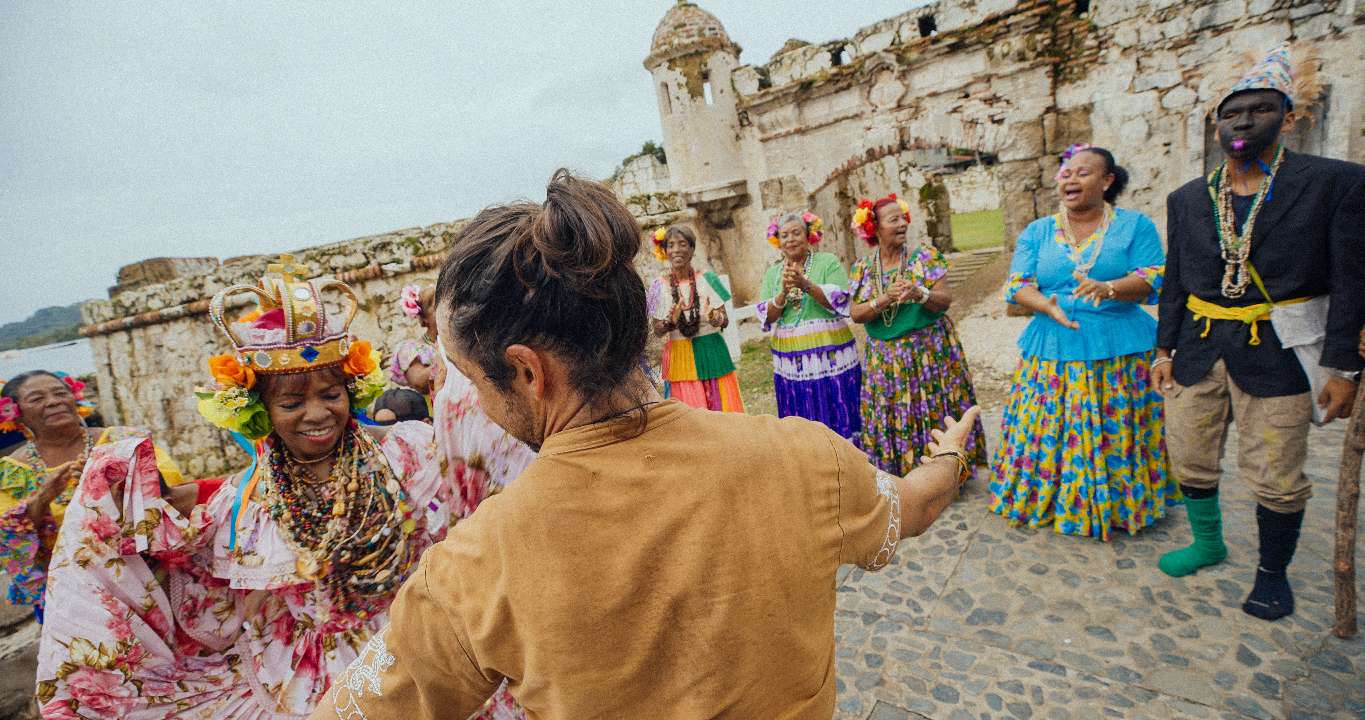
During the 16th and 17th centuries, Colon—especially the city of Portobelo—became one of the main ports of the Spanish Empire in the Americas. Wealth and gold from South America passed through its docks on their way to Europe, which prompted the construction of imposing fortifications to protect the trade route. Today, structures like Fort San Felipe de Portobelo and Fort Santiago de la Gloria allow visitors to explore key passages of colonial history. These ruins, declared a World Heritage Site by UNESCO, offer interpretive tours that connect tourists with the strategic past of the Panamanian Caribbean.
Congo Culture, a Pillar of Colon’s Identity
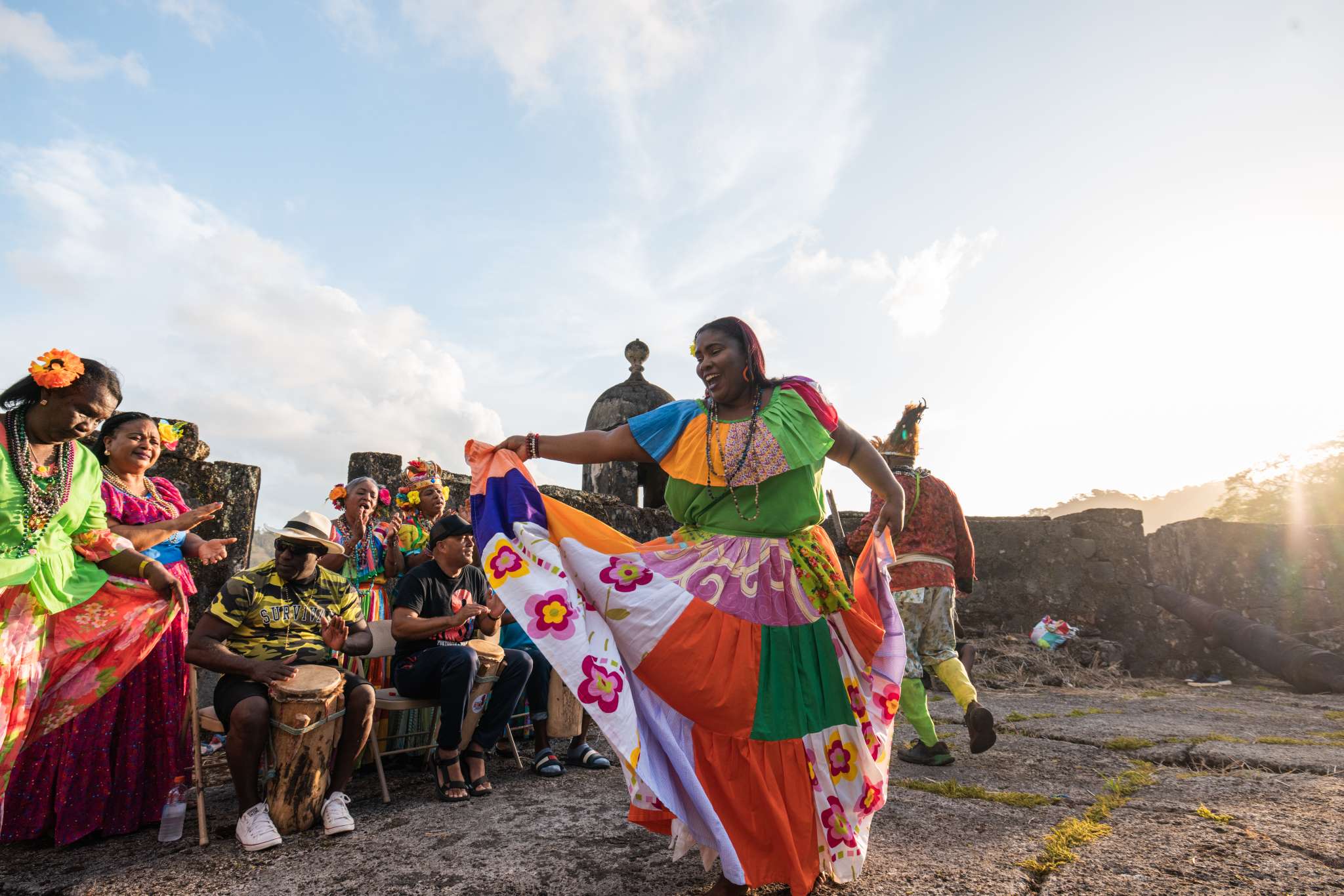
Born from the resistance of the Maroon Afro-descendants who escaped slavery, this culture retains a profound symbolic weight of freedom and memory. It is expressed through theatrical dances, call-and-response songs, drums, brightly colored costumes, and characters such as the King, Queen, and Devil. Every year, the Festival of Devils and Congos of Portobelo attracts visitors who seek to witness this tradition, declared an Intangible Cultural Heritage of Humanity by UNESCO.
Ancestral Afro-Caribbean Gastronomy
The cuisine of Colon reflects the Afro-Caribbean and Caribbean heritage of the province. The use of coconut, spices, and seafood defines intense and authentic flavors. Among the most representative dishes are rondon (a thick soup of seafood and tubers in coconut milk), rice and beans, patíes (spicy empanadas), and saus (a cold salad of pickled pig’s feet). In coastal communities and family restaurants, visitors can taste recipes passed down through generations, often prepared using traditional methods such as wood-burning stoves and homemade seasonings.
Nature Activities and Ecotourism
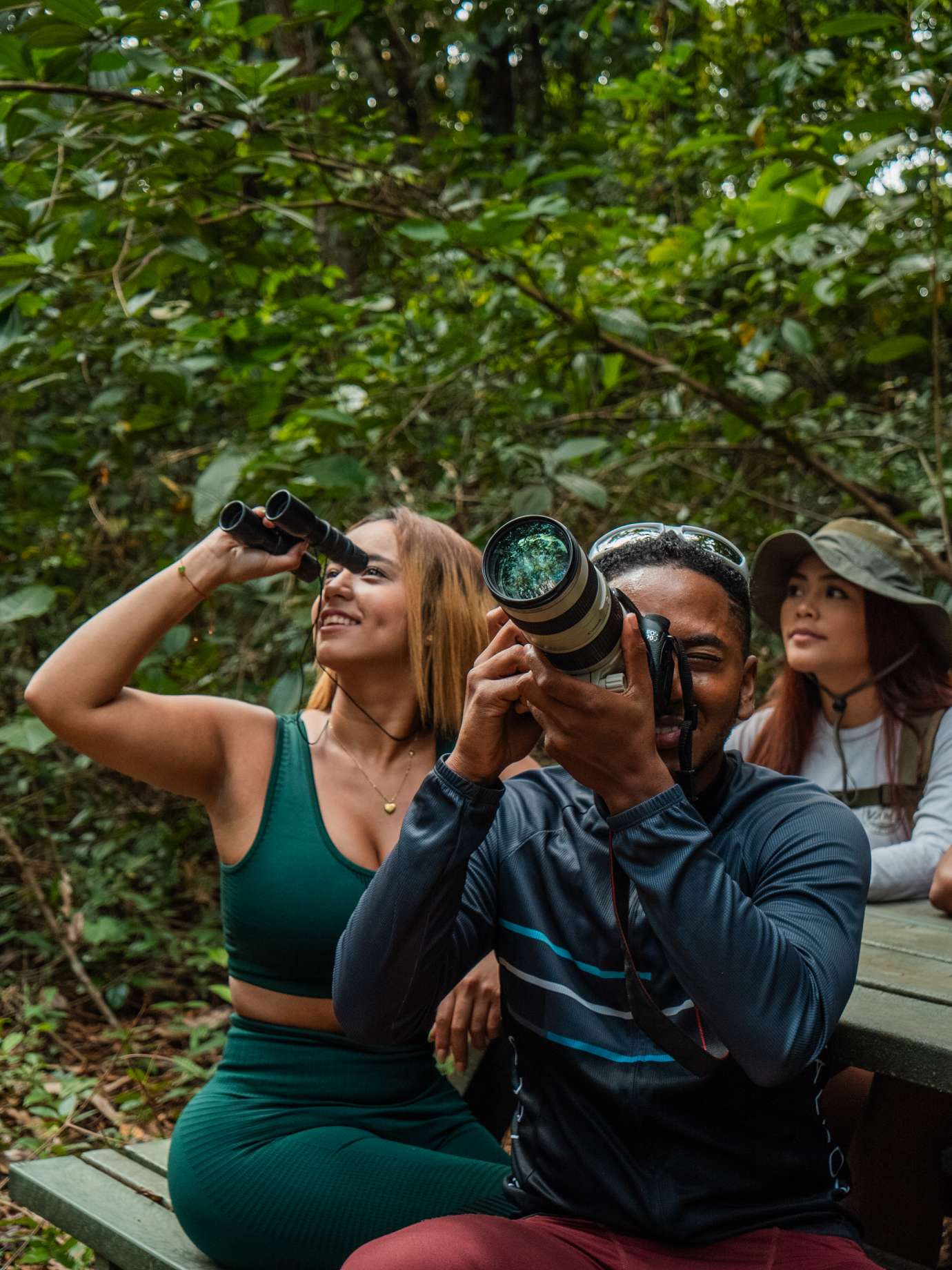
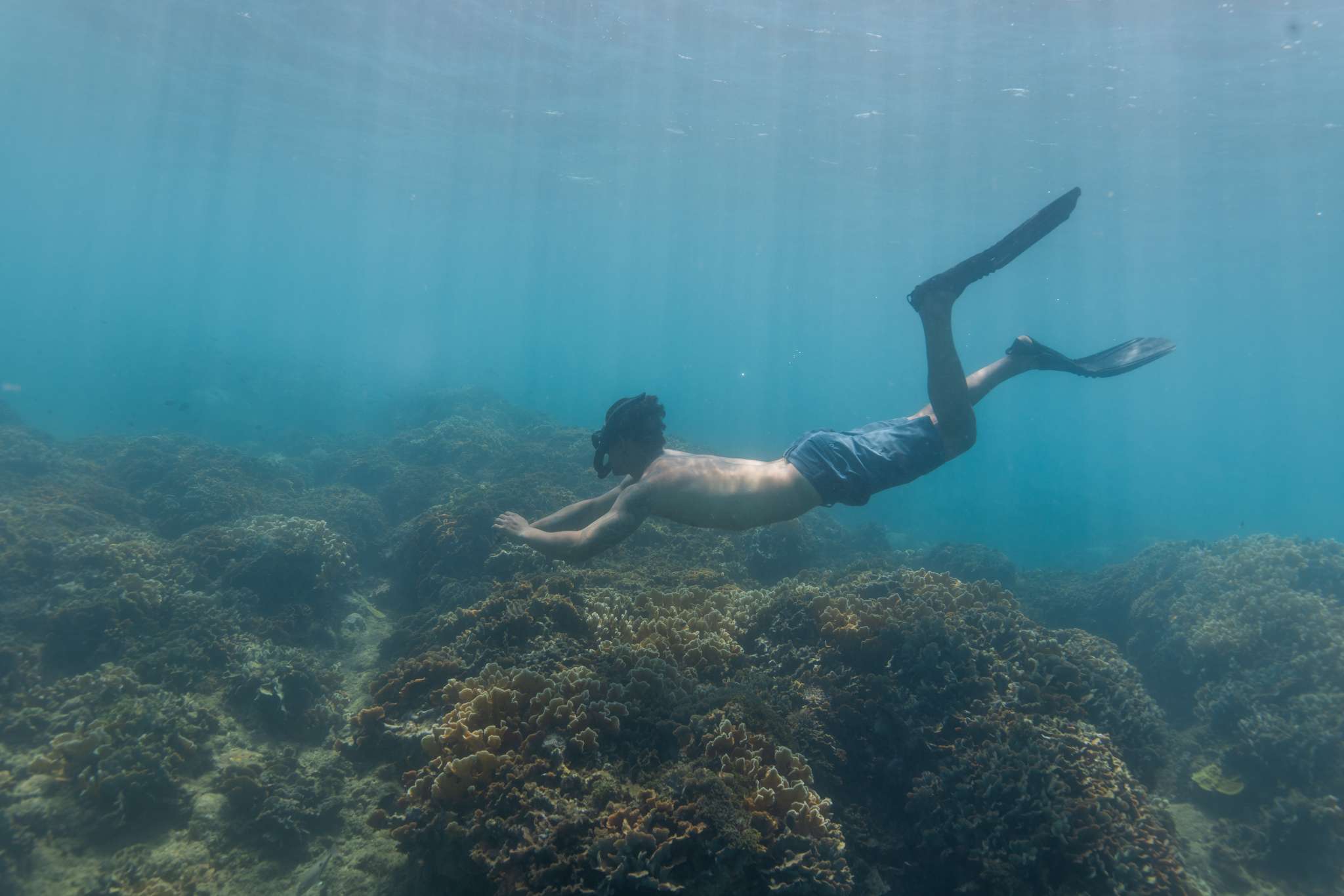
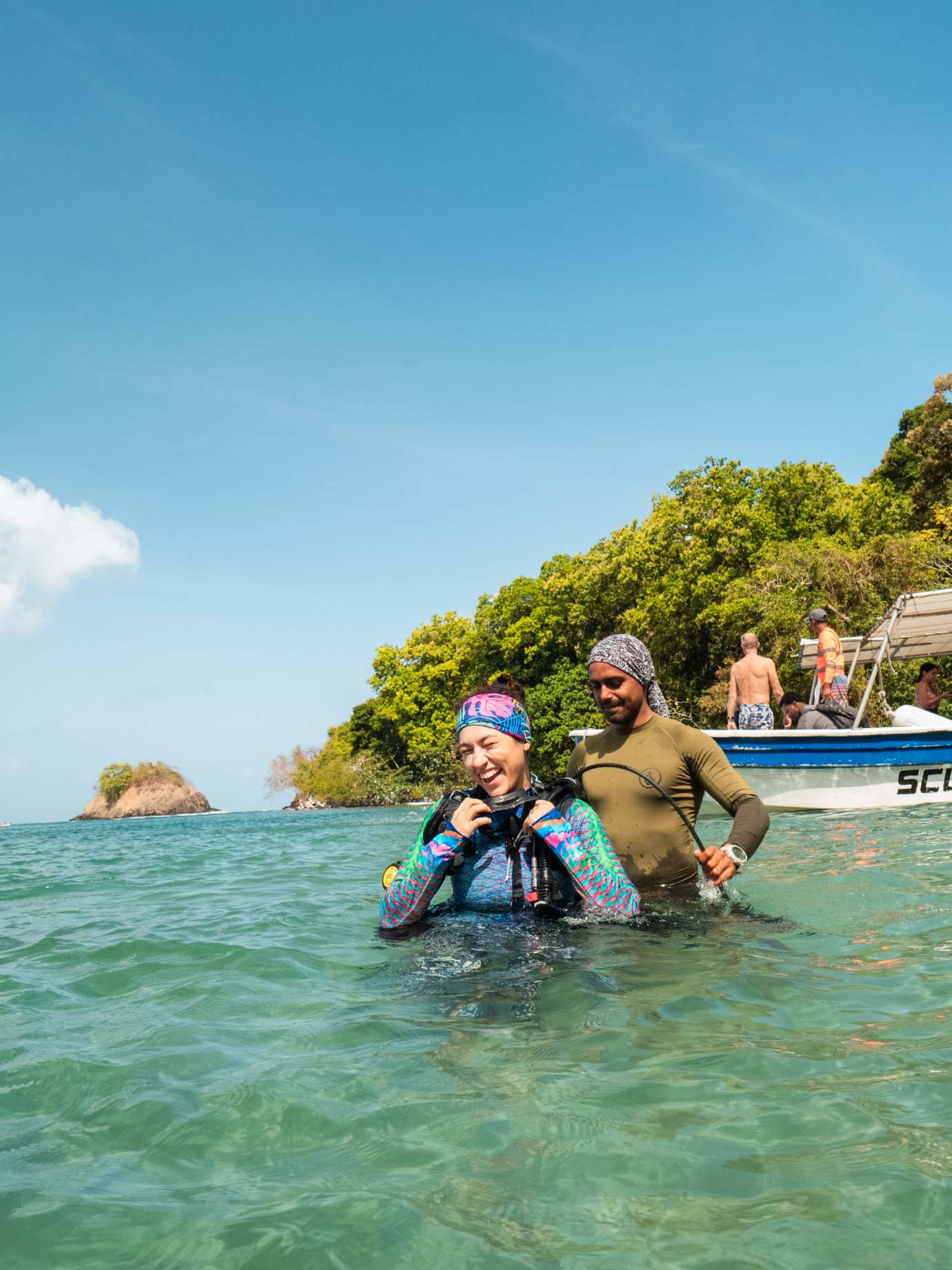
Colon also stands out for its biodiversity. The beaches of Isla Grande and Portobelo Bay offer white sand, clear waters, and excellent conditions for snorkeling and diving. Inland, the area around Gatun Lake and nearby rainforests provide opportunities for birdwatching, boat tours, hiking, and nature tourism. In addition, several communities promote community-based tourism, allowing visitors to interact with local guides and learn about sustainable conservation practices.
Together, Colon offers a comprehensive tourism experience where history, Afro-Panamanian identity, traditional flavors, and natural richness complement each other to create an authentic and deeply Panamanian destination.
These activities make Colon a destination where visitors can observe, savor, explore, and experience the essence of the Panamanian Caribbean.