


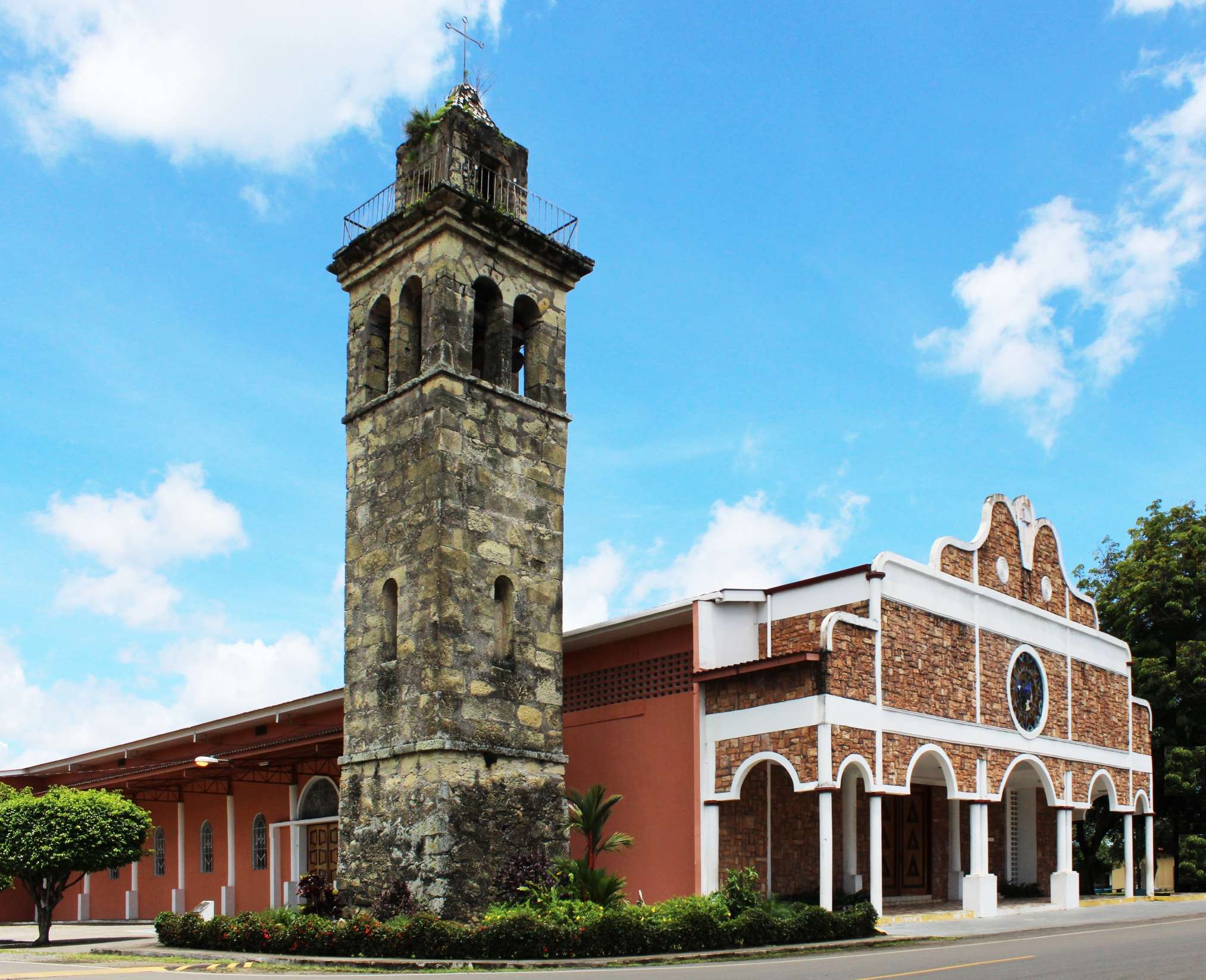
The founding of the city of David in Chiriquí Province in 1602 responded to a clear logic of the colonial period: secure territorial control of the western part of the isthmus and to take advantage of an exceptionally fertile valley. 424 years ago, what is now the main urban center of western Panama was a strategic point under construction, designed primarily for production and connectivity.
Region Inhabited by Indigenous Peoples
Before the arrival of the Spanish, the area was inhabited by indigenous peoples linked to Chief Doraces. The area’s natural wealth—abundant water, productive soils, and a favorable geographic location—made the Crown’s interest inevitable. The initial settlement, known as San Jose de David de Dolega, marked the beginning of a history deeply connected to the land.
Foundation and Agricultural Vocation
The formal founding under Governor Juan Lopez de Sequeira consolidated the Spanish presence in the region. Unlike other colonial cities on the isthmus, David was not established as a mining enclave or a commercial port. Its DNA was agricultural and livestock-based from the very beginning.
That initial decision proved decisive. During the 17th and 18th centuries, growth was slow but steady, supported by haciendas and ranches that took advantage of the fertility of the David River valley. This productive base shaped the city’s character: practical, resilient, and work-oriented.
From Regional Town to Capital of Western Chiriqui
After independence from Spain in 1821 and the subsequent integration of the isthmus into Gran Colombia, David began to gain administrative and commercial importance. The 19th century consolidated its role as the regional capital of Chiriqui, while land routes to Central America were strengthened.
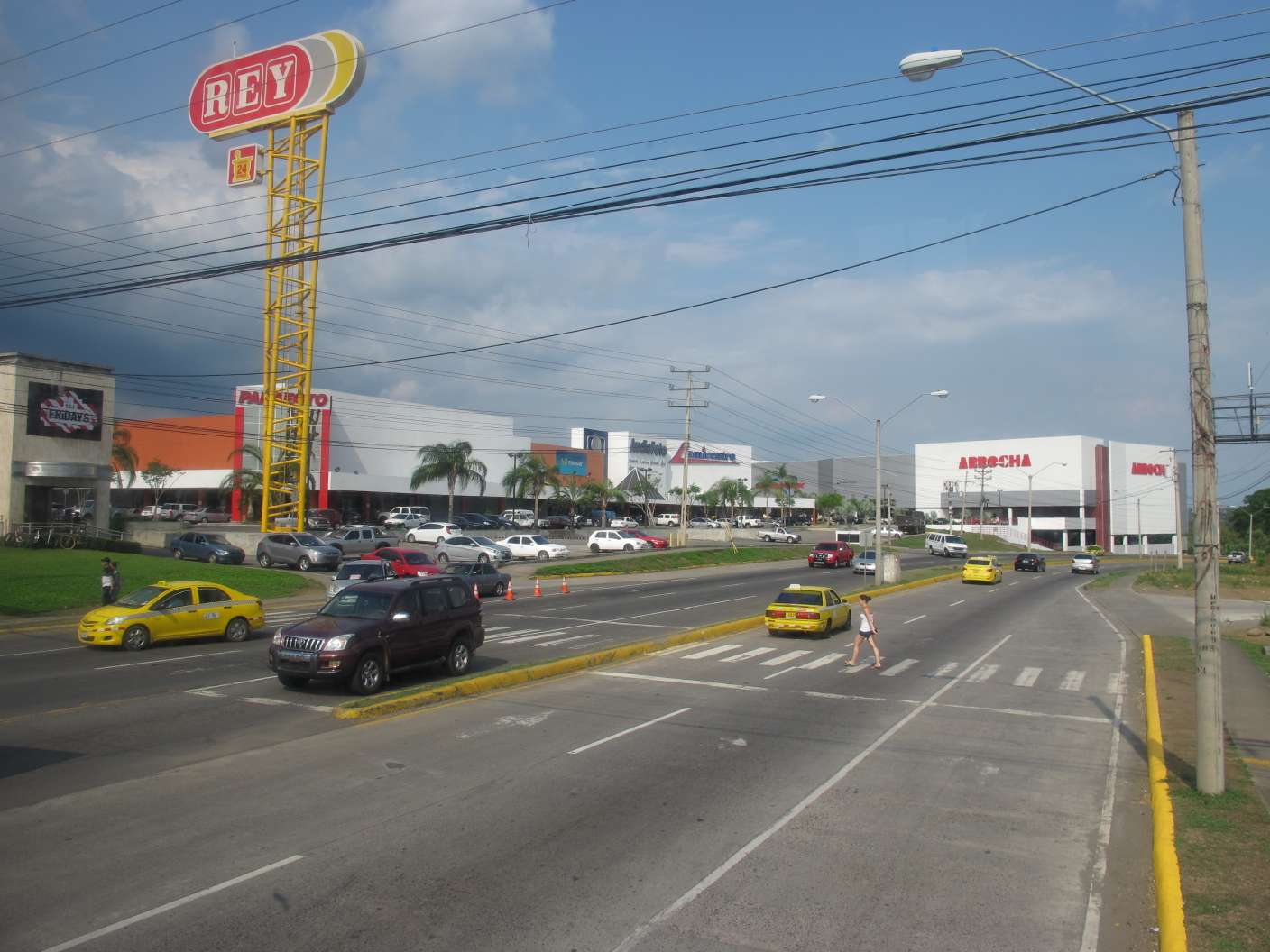
The true turning point came in the 20th century. The expansion of livestock farming, the growth of trade, and the construction of the Pan-American Highway definitively integrated David with the rest of the country. The city ceased to be a regional enclave and became the economic engine of western Panama.
Five Places to Discover David’s History
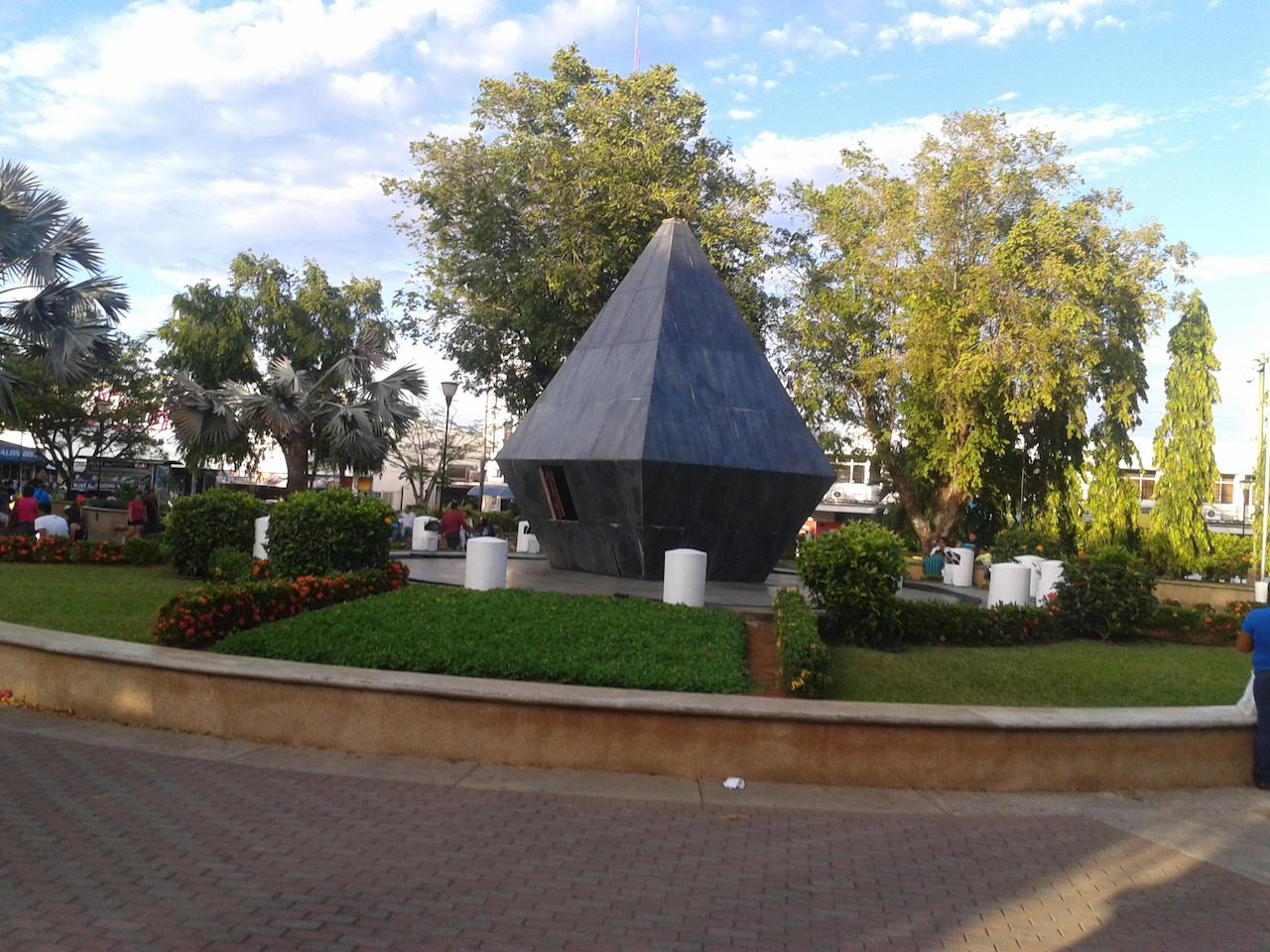
Understanding David’s evolution requires exploring its most representative spaces. Miguel de Cervantes Saavedra Park serves as the urban heart from which the city developed. Across from it, the San José de David Cathedral stands as a reminder of the spiritual continuity that has accompanied its development since colonial times.
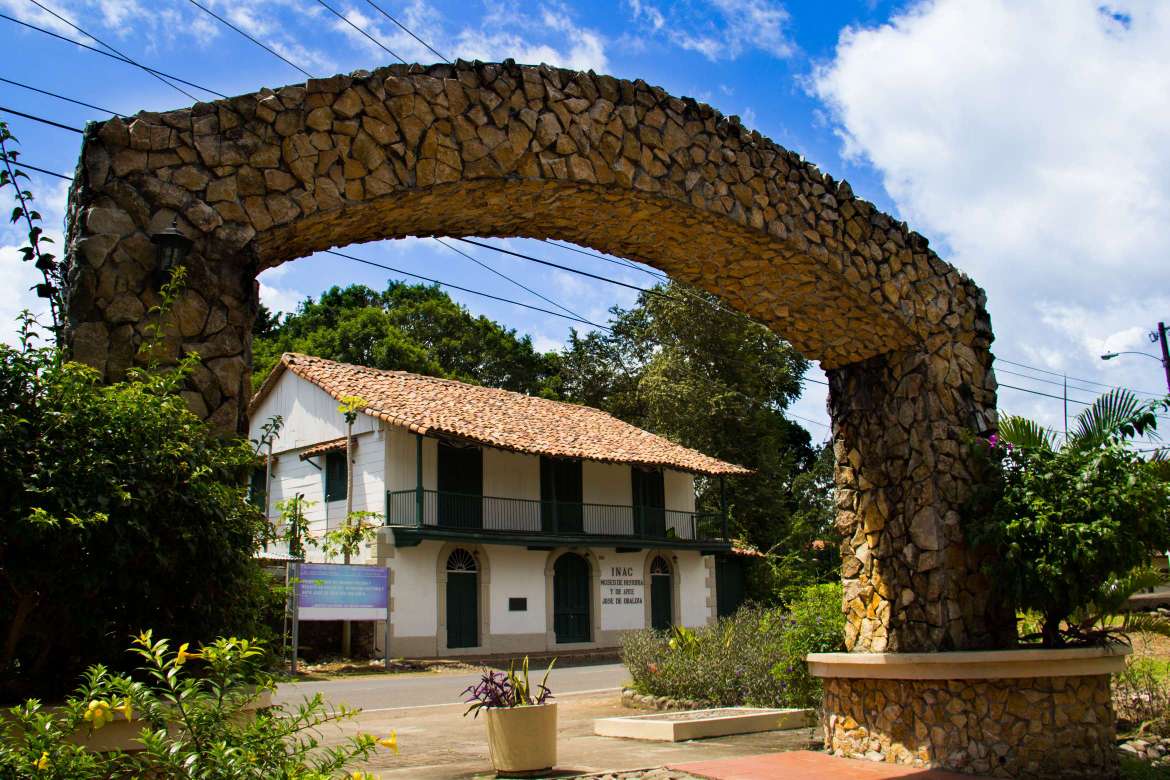
For a deeper understanding of the past, the Jose de Obaldia Museum of History and Art safeguards the province’s documentary record. A short distance away, the Bolívar neighborhood offers a glimpse into the urban expansion of the late 19th and early 20th centuries. Finally, the grounds of the David International Fair confirm that the agricultural vocation that gave rise to the city remains alive and well.
A City Seeking to Develop Without Losing Its Essence
424 years after its founding, David faces the common challenge of growing mid-sized cities: modernizing without diluting its identity. Urban expansion, commercial dynamism and demographic pressure are advancing, but the agricultural, entrepreneurial and strategic character that saw it born continues to define its personali