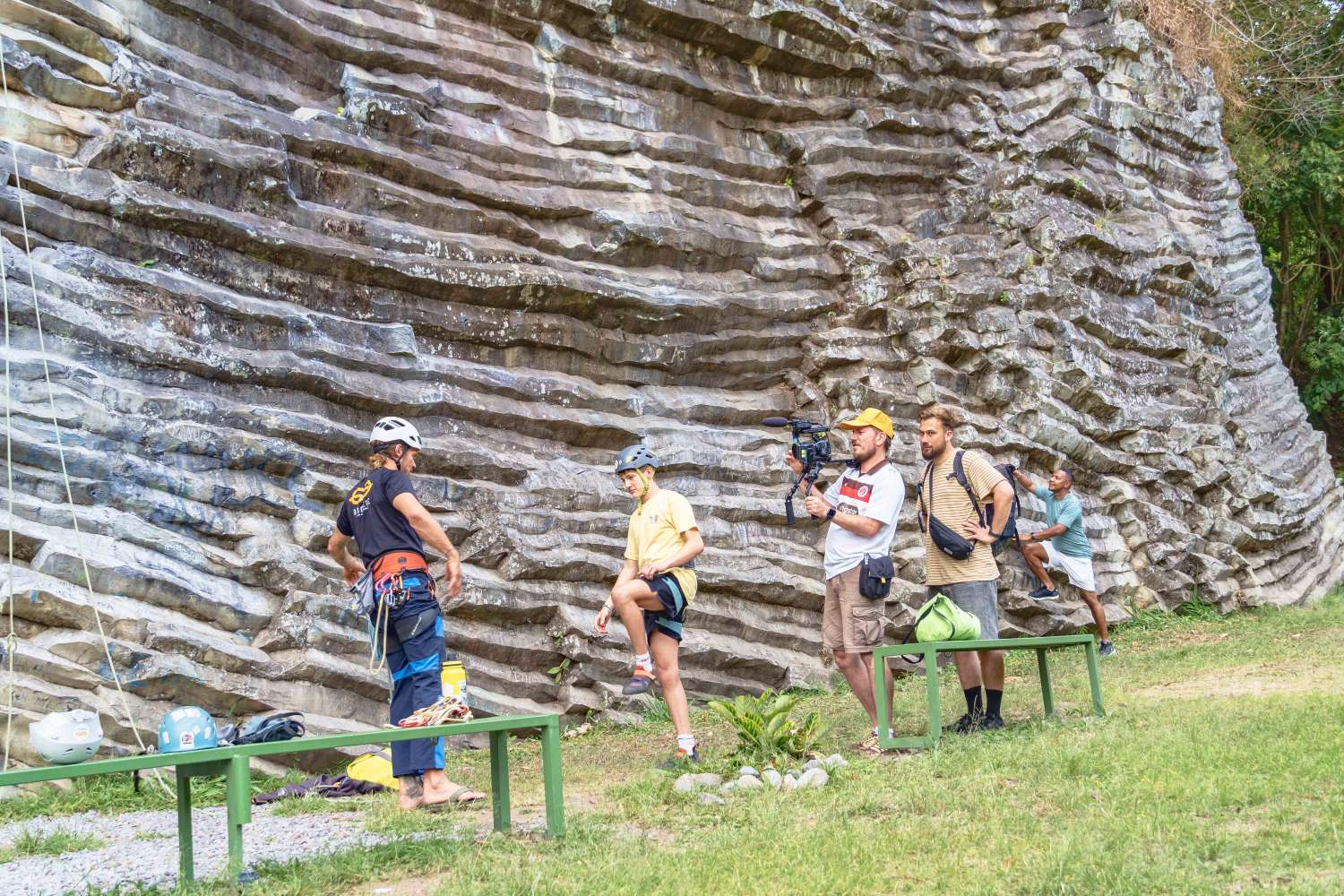


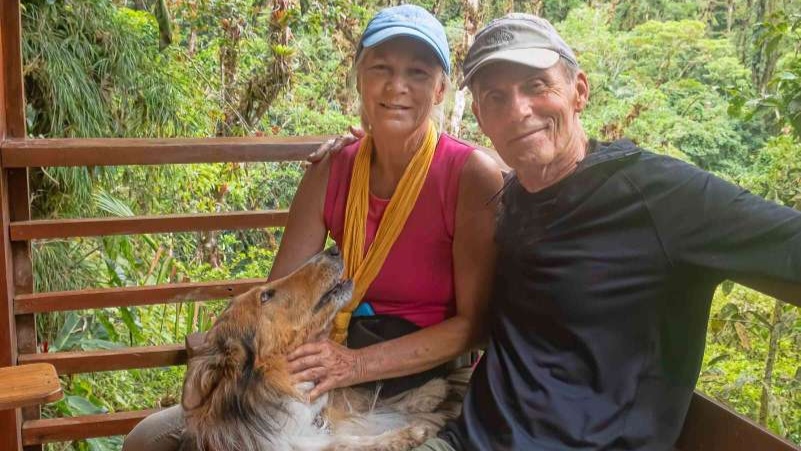
In a world where the concept of “living” is being redefined, there are destinations that no longer simply receive visitors: they turn them into residents. This is the case of Boquete, a district located in the mountains of Chiriqui, which has gone from being a quiet agricultural town to establishing itself as one of the main epicenters of residential tourism in Latin America.
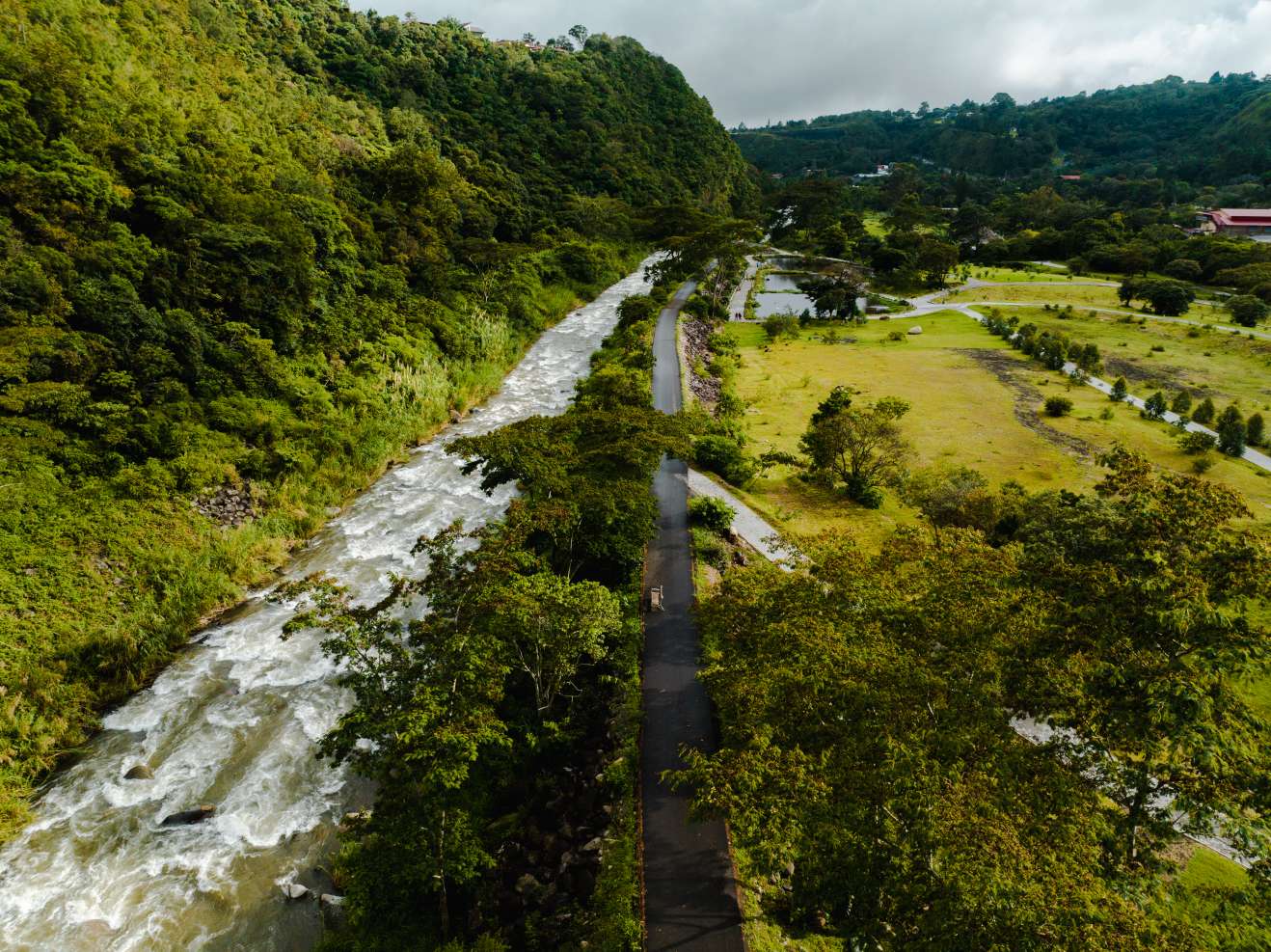
Located at about 1,200 meters above sea level, Boquete has capitalized on a combination that is difficult to replicate: a year-round temperate climate, a privileged natural environment, and a constantly expanding international community.
From Traditional Tourism to Residential Tourism
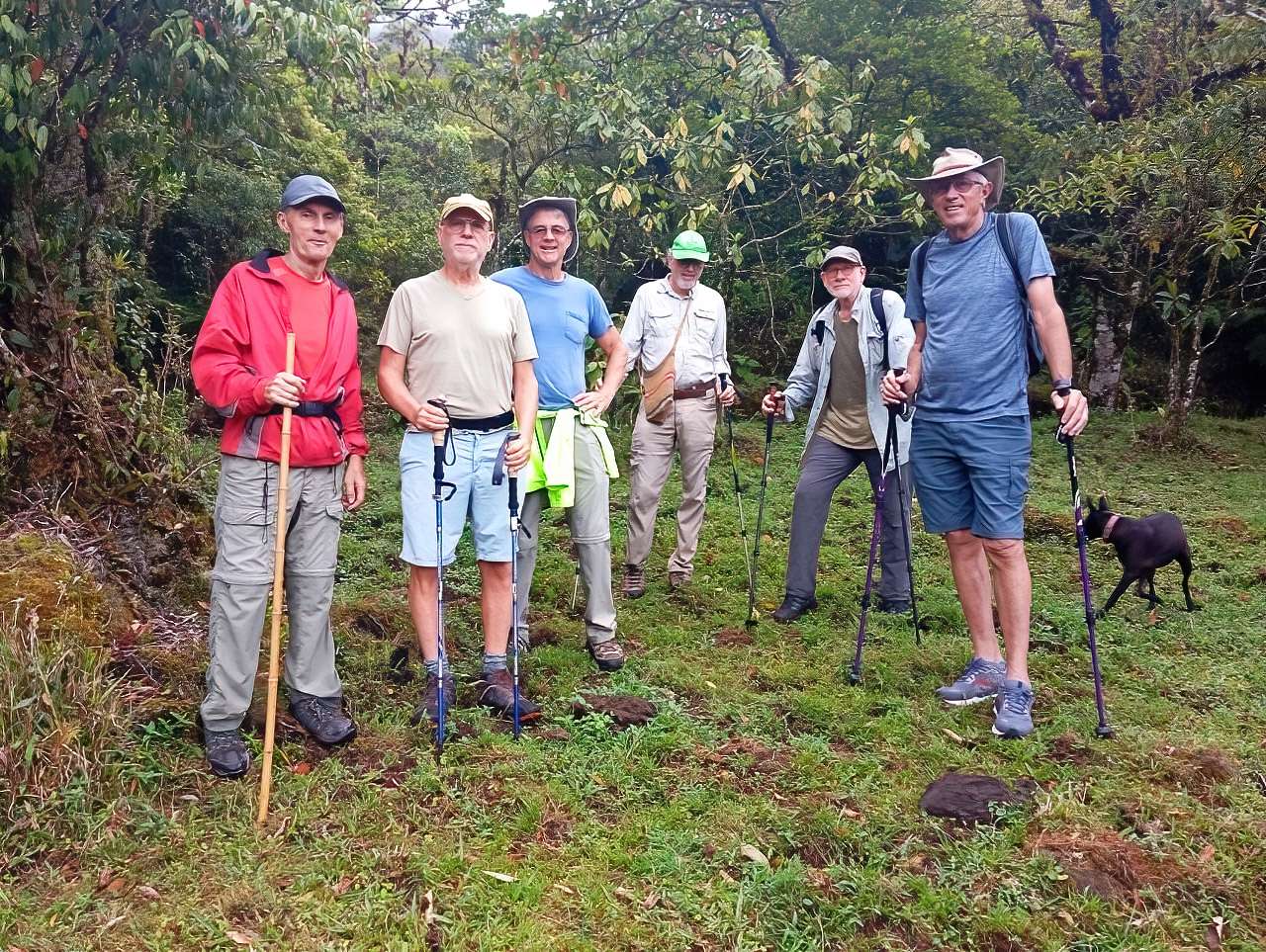
Every year, thousands of tourists explore its mountains, visit coffee farms, and enjoy its relaxed atmosphere. However, what’s truly significant happens afterward: many of these visitors return, extend their stay, or end up settling there. This phenomenon has made Boquete a prime example of residential tourism, where the destination serves as a gateway to migration.
An International Community Transforming a District
One of the most revealing indicators of this transformation is that more than 20% of Boquete’s population is foreign-born, a figure that continues to grow this 2026. This is no small matter: it implies a social, economic, and cultural reconfiguration of the district.
The presence of expatriates—mainly from the United States, Canada, and Europe—has driven the creation of services adapted to international standards: private medical care, a diverse culinary scene, specialized real estate, and a commercial dynamic geared toward a global consumer. However, the most decisive factor is the “network effect”: the more foreigners settle there, the more attractive the destination becomes for new residents.
Quality of Life as a Catch for Migration
To understand Boquete’s rise, one must analyze its value proposition: quality of life.
The climate, often described as “eternal spring,” allows residents to forgo heating or air conditioning for most of the year. Safety, a relaxed pace of life, and access to nature complete an equation highly valued by those seeking to escape saturated urban environments.
Added to this is a competitive cost of living compared to North America or Europe, especially if one adopts a hybrid lifestyle that blends local and international experiences. This economic advantage has been key to attracting both retirees and new profiles: remote workers, digital entrepreneurs, and investors.
A Real Estate Market That Continues to Grow
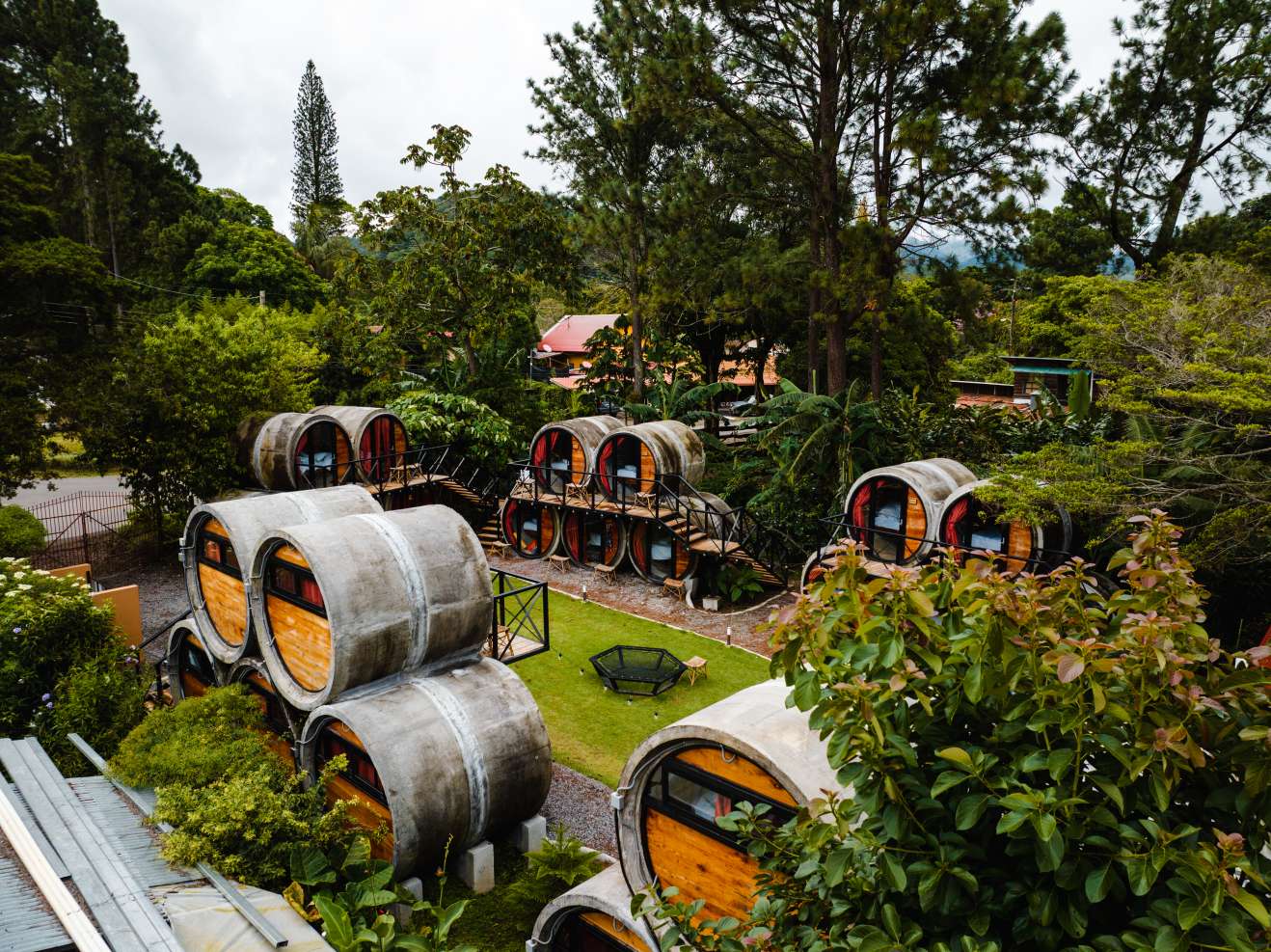
Residential tourism in Boquete is made possible by the wide range of available properties. In recent years, the district has experienced sustained growth in developments geared toward foreigners, from private communities to homes designed for retirement or vacation rentals.
This growth is not speculative; it is driven by real demand. Every potential new resident needs a property, and every investor finds a profitable opportunity in renting—whether long-term or Airbnb-style.
The result is a dynamic market where tourism fuels investment, and investment facilitates migration.
From Retirees to Digital Nomads
Although Boquete initially established itself as a retirement destination, its profile has evolved. Today, the district is home to retirees with decades of work experience and young professionals who work remotely. This diversifies the community, strengthens the local economy, generates new services, and extends the average length of stay for foreign residents.