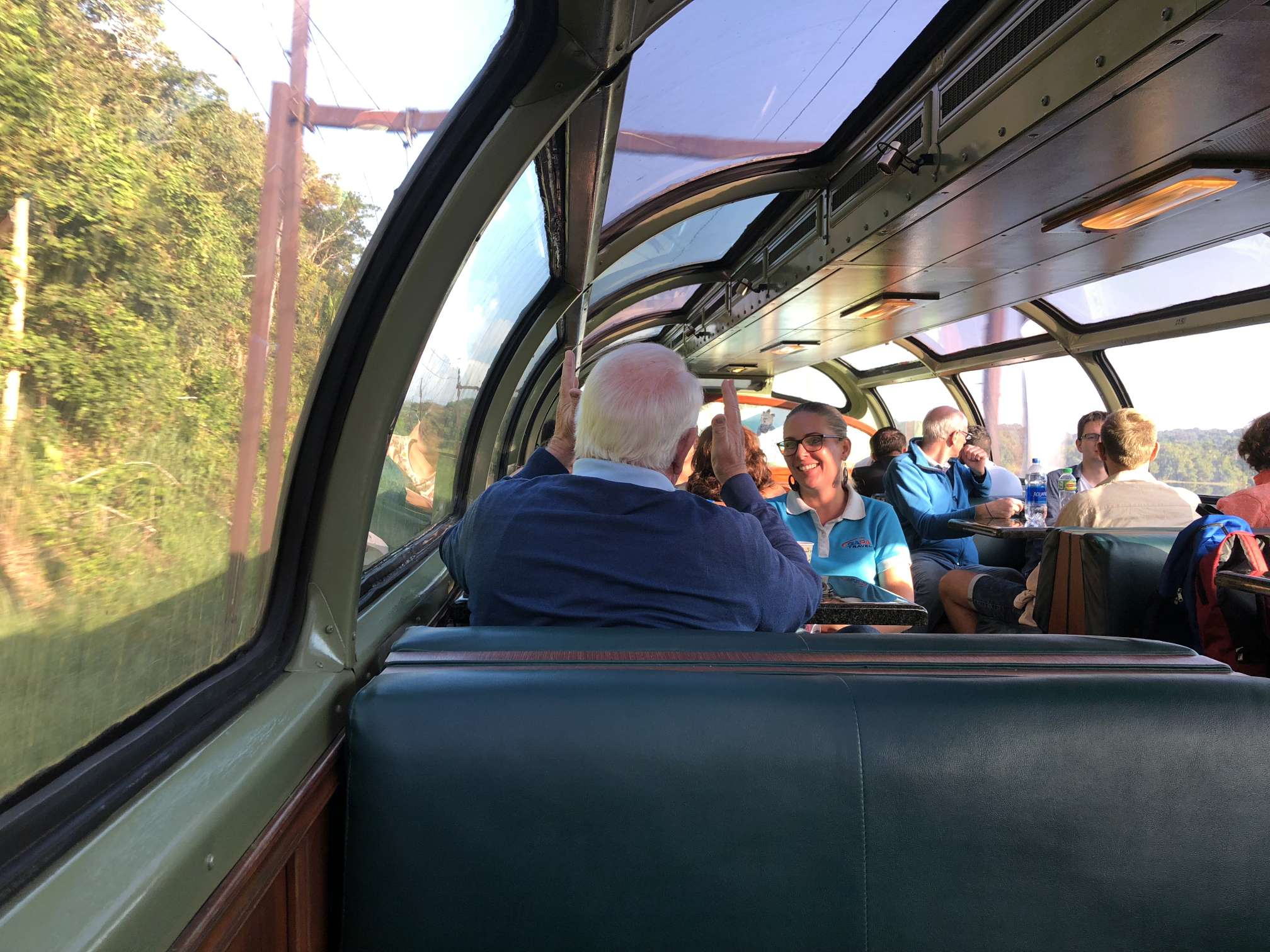


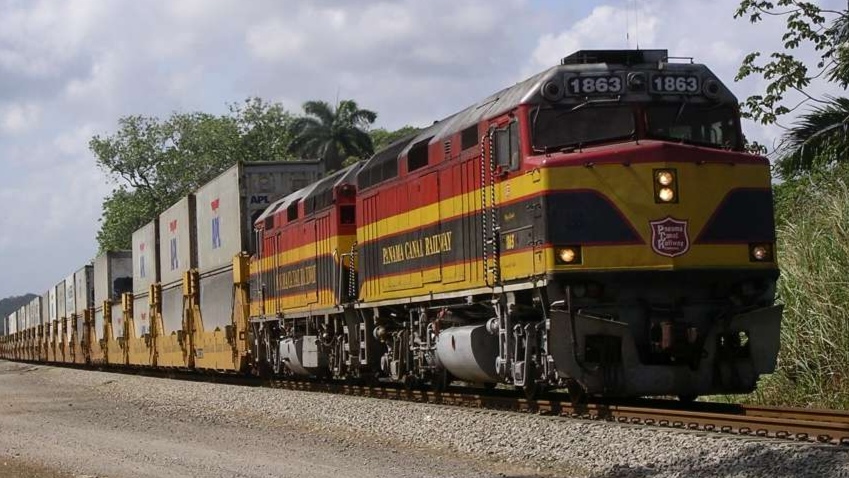
The Panama-Colon Railway is a fundamental chapter in the history of the isthmus and an early symbol of Panama’s vocation as a global hub. Its official inauguration on January 28, 1855, 170 years ago, marked a turning point in trade, tourism, and the geopolitics of the Americas.
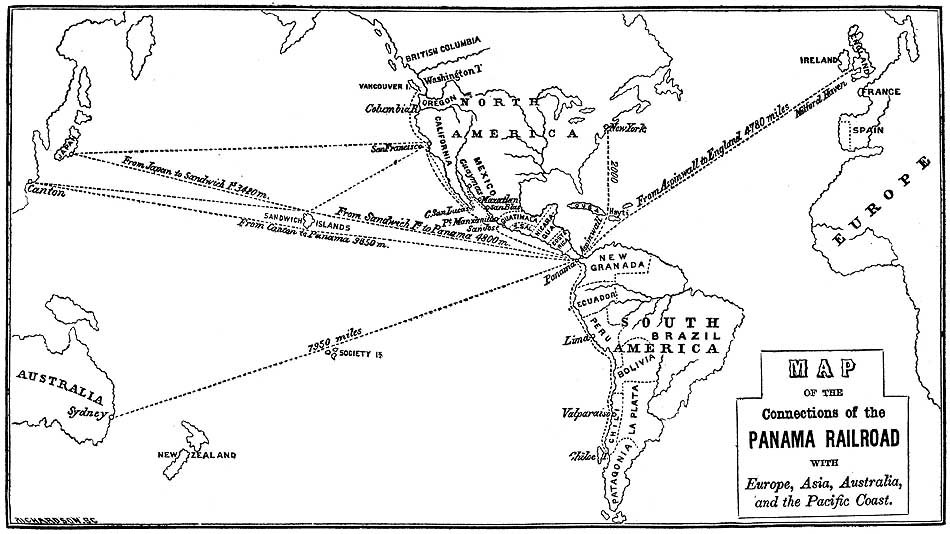
Panama, a Strategic and Challenging Isthmus
Long before the railway, Panama was already a vital route between the Atlantic and Pacific Oceans. During the colonial era, travel was via the Camino Real and Camino de Cruces, both combining river and land routes that were slow, expensive, and dangerous.
Thousands of travelers, merchants, and adventurers crossed the isthmus in precarious conditions, facing dense jungles, tropical diseases, and limited infrastructure. Panama was already a key point in the world, but it lacked the technology to transform that geographical advantage into efficiency.
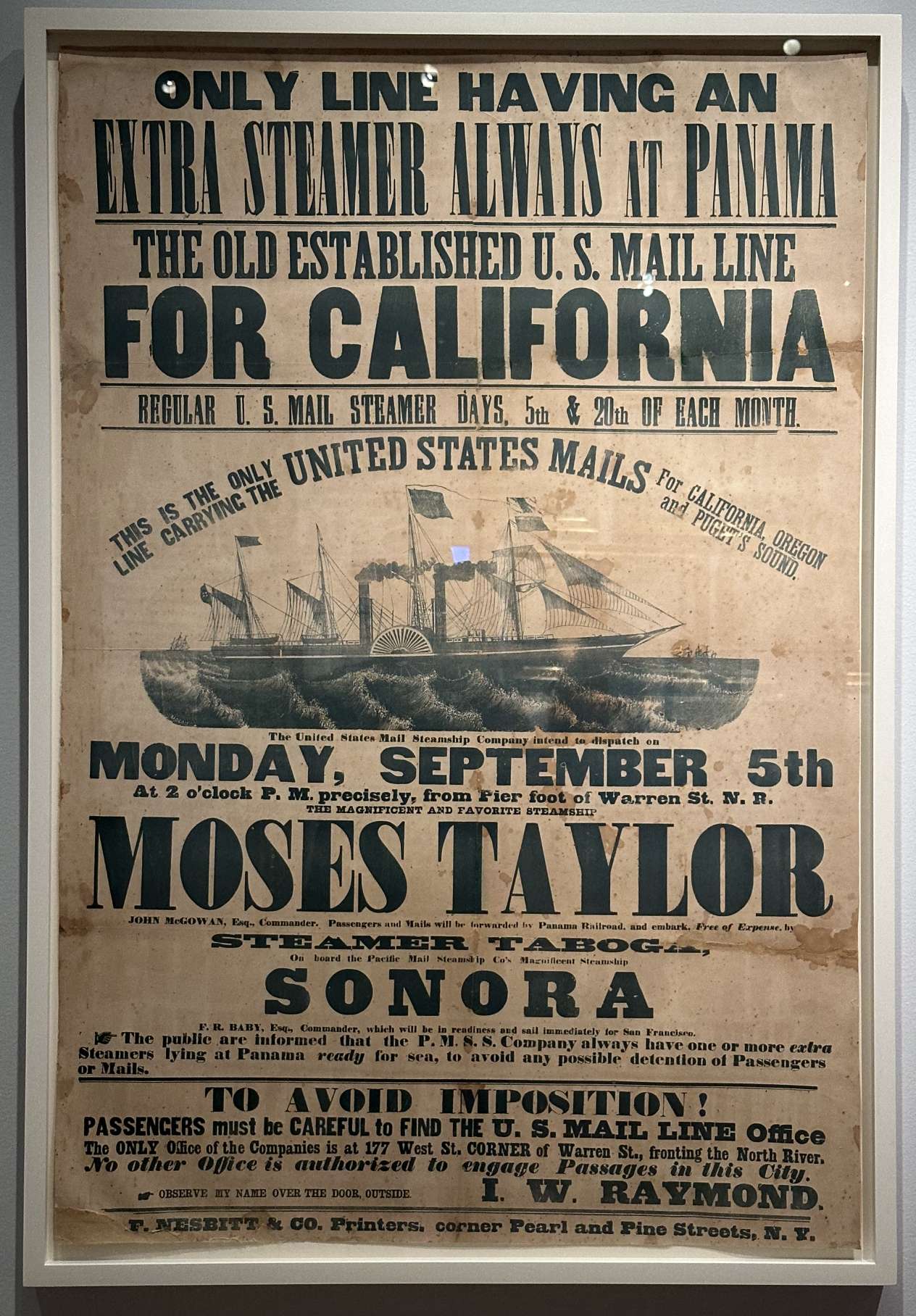
With the rise of global trade and, especially, after the discovery of gold in California in 1848, the need for a fast and secure route became unavoidable.
The Railway Vision and Its Construction
The idea of an interoceanic railroad arose as a direct response to the need to transport people from the Western United States to the East, specifically to the state of California, following the discovery of gold. Its construction was a monumental feat for its time, as it required traversing jungles, rivers, and swampy terrain in a harsh climate, with a workforce from multiple nationalities. The project faced enormous technical and human challenges, but its completion represented one of the greatest engineering achievements of the 19th century.
Even before its inauguration, the railroad symbolized modernity, progress, and the promise of a Panama integrated into global trade. Each section laid brought the isthmus closer to a new leading role in the history of global transportation.
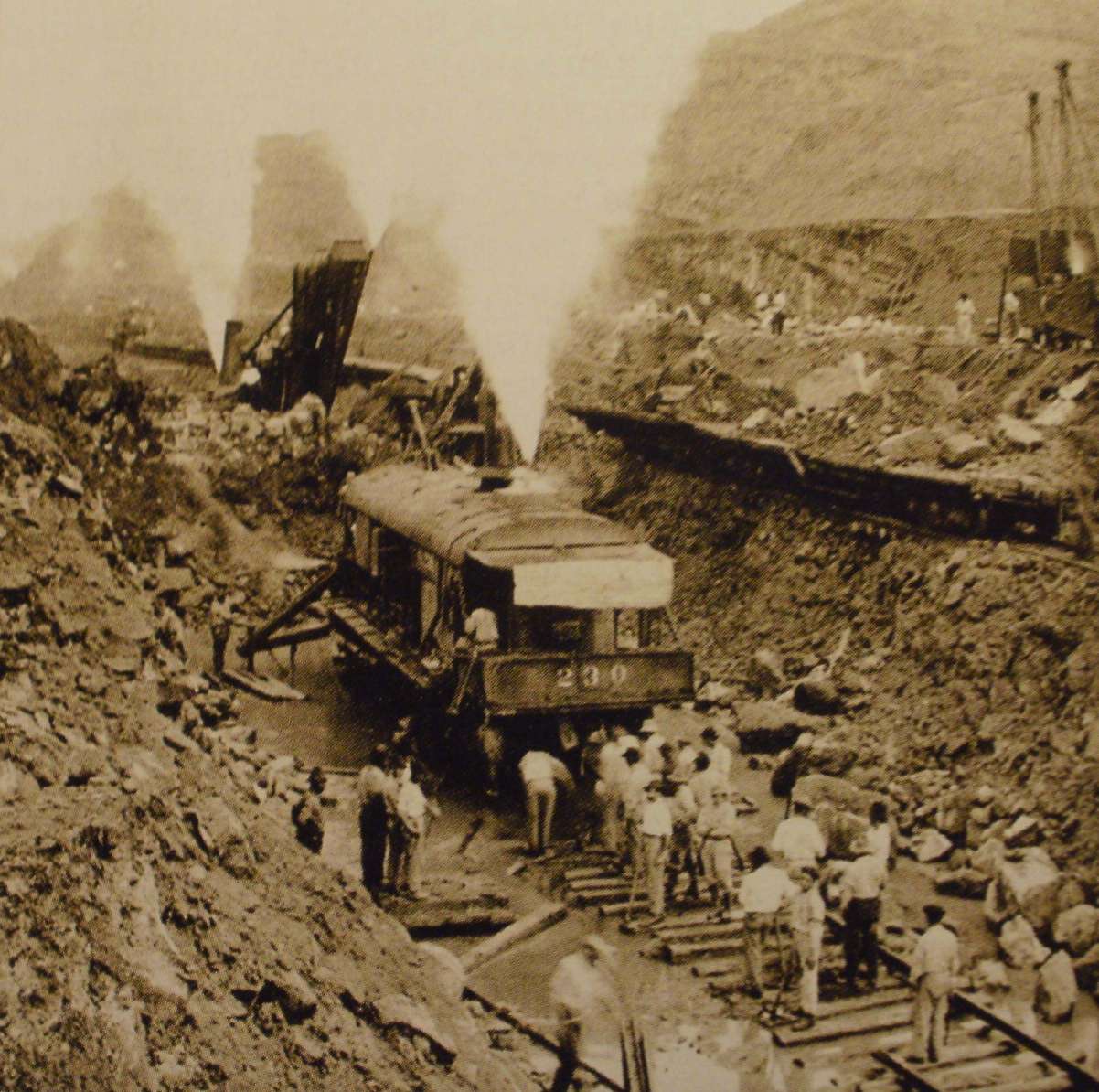
January 28, 1855: The Birth of a Historic Route
With the inauguration of the Panama-Colon Railroad, crossings between oceans were dramatically reduced. For the first time, goods and passengers could travel from coast to coast quickly and with relative safety. This achievement made the railway the most important in the world at the time and the direct precursor of the Panama Canal decades later.
A Current Role in 21st-Century Logistics
Today, the railway continues to play a key role in global trade, serving as an essential logistical link between Atlantic and Pacific ports. Integrated with the Panama Canal system and the country’s main ports, it enables the rapid and efficient movement of containers, reducing time, costs, and emissions in the global supply chain.
This land connection complements maritime transit, offering an efficient alternative for goods requiring speed and reliability. Thus, the railway reaffirms Panama’s position as an intermodal logistics hub, where sea, land, and commerce converge at a single strategic point.