
Panama is privileged to have iconic sites that capture the interest of both locals and tourists. One such place is the Biomuseo, which offers a fascinating architectural vision alongside a history of Panama that stretches back millions of years.
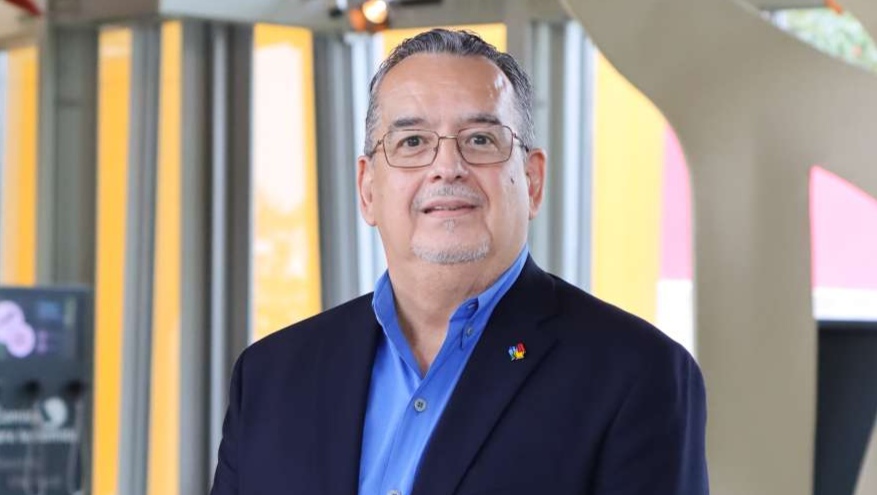
Understanding the current state and future prospects of this landmark museum is important. For this reason, our Special Guest is Victor Cucalon, the Biomuseo’s Executive Director—a position he has held since 2013—a professional with an extensive background at both the United Nations and Panama’s Ministry of Foreign Affairs.
At the Biomuseo, Víctor Cucalon has helped advance scientific education, conservation, and the appreciation of Panama’s extraordinary natural heritage. In an exclusive interview with The Visitor – El Visitante, he shares his vision for this iconic museum and its future within the Panamanian tourism landscape.
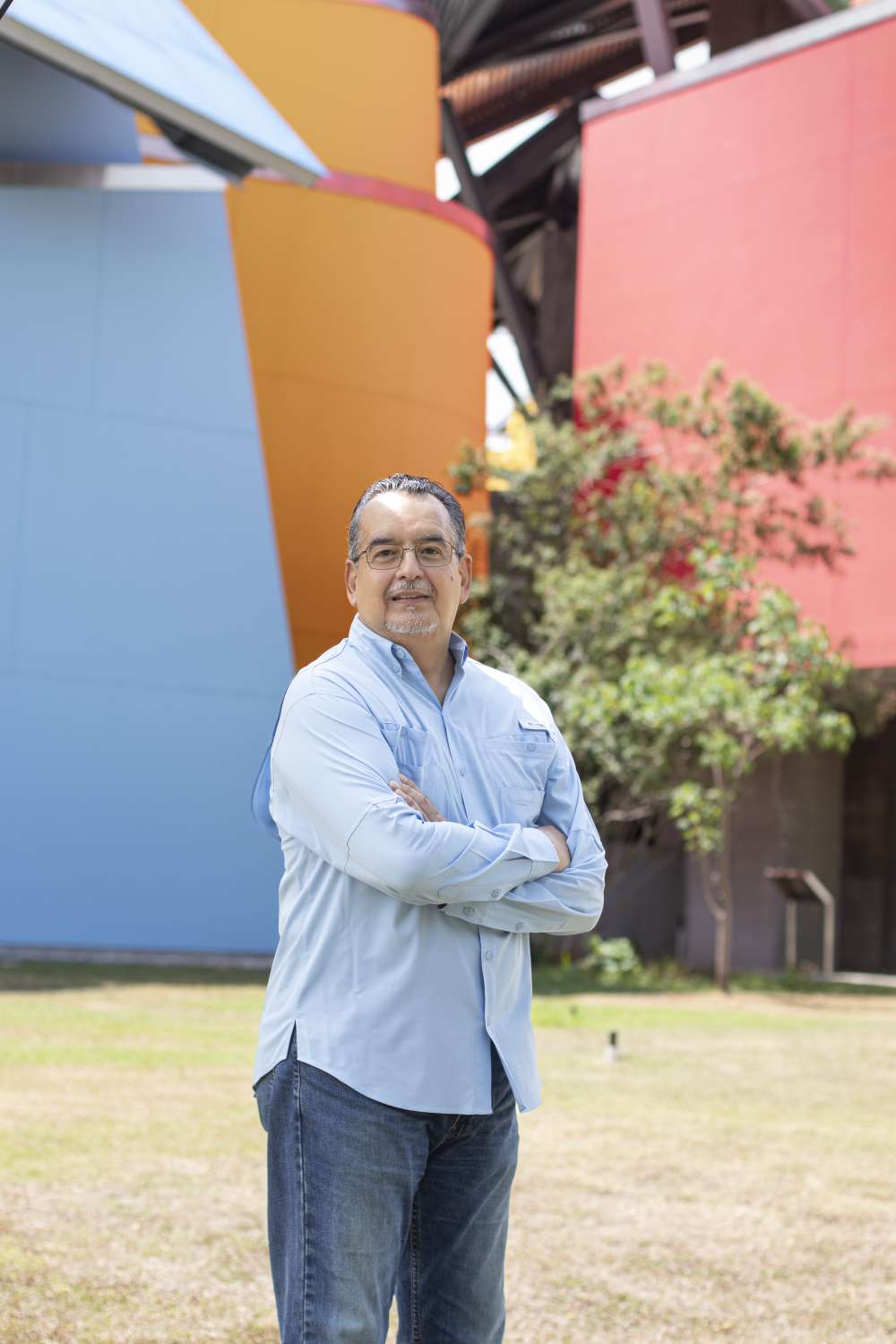
The Biomuseo is one of the major legacies of the renowned architect Frank Gehry. How can Panama develop a distinctive identity centered around such a globally recognized figure?
“Frank Gehry’s global recognition provides us with an extraordinary platform, but the true hallmark lies in what his architecture reveals about Panama.
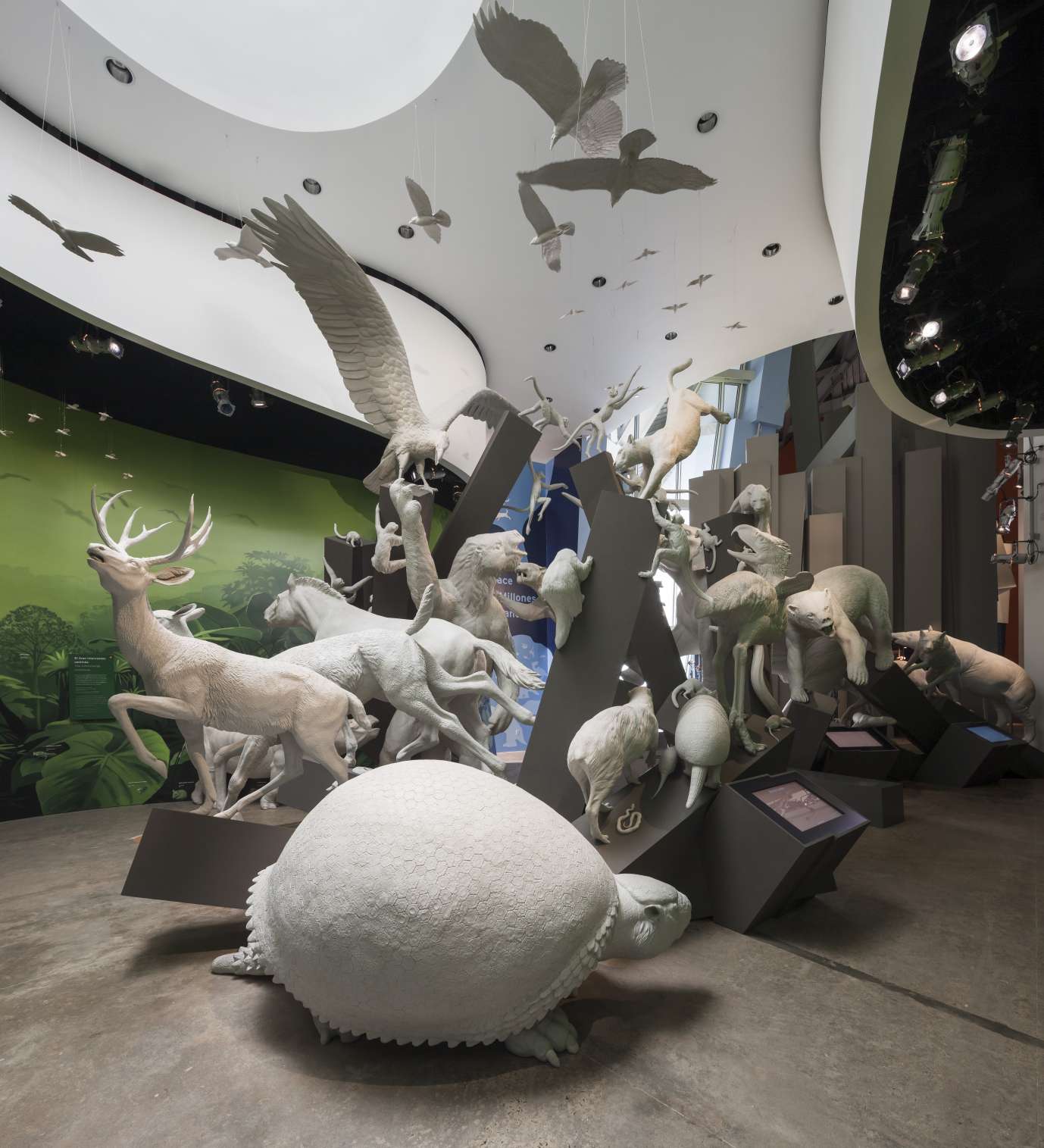
The Biomuseo was designed to celebrate our biological and cultural diversity. Its forms and colors emerged from a meticulous process that integrated the architecture with the museum’s content—focusing on how to tell the story of the Isthmus’s formation through objects, sculptures, and audiovisual experiences, while ensuring the building itself complemented that narrative.
From the project’s inception, we have worked closely with Panama Tourism Authority, and the Biomuseo has been featured in numerous tourism and nation-branding campaigns”.
The Biomuseo is the most-visited museum in the country, which points to significant public interest. To what do you attribute this, and how can we continue to build upon it?
“We are deeply grateful for the public’s response. We anticipate welcoming our two-millionth visitor by early 2027—a milestone that fills us with excitement and reflects many years of hard work.
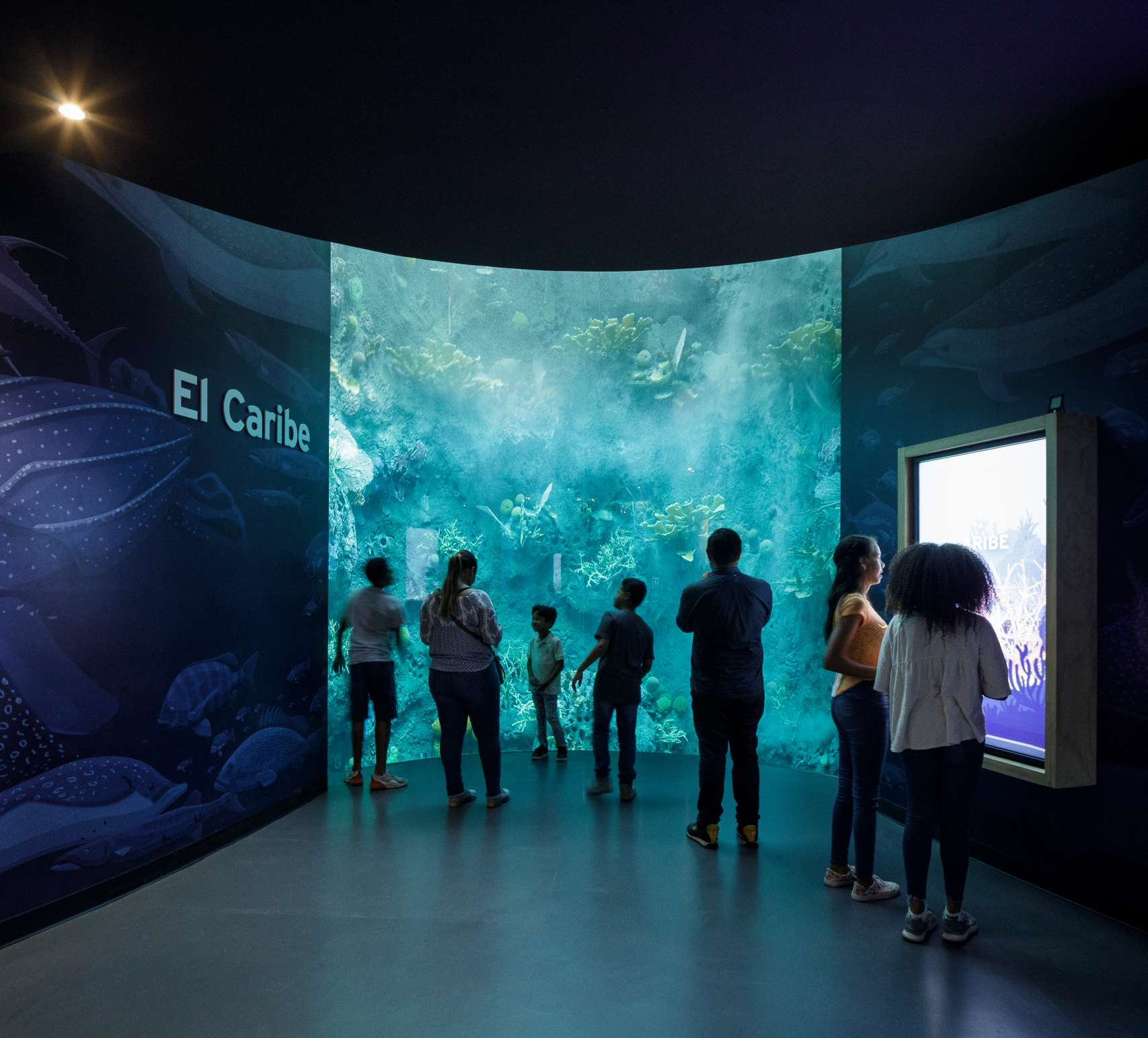
To continue leveraging this interest, we must provide reasons for people to return and offer new ways for them to engage. Temporary exhibitions, educational activities, and experiences within the park can strengthen our connection with the local public, turning a visit to the Biomuseo into the starting point for a broader exploration of Panama”.
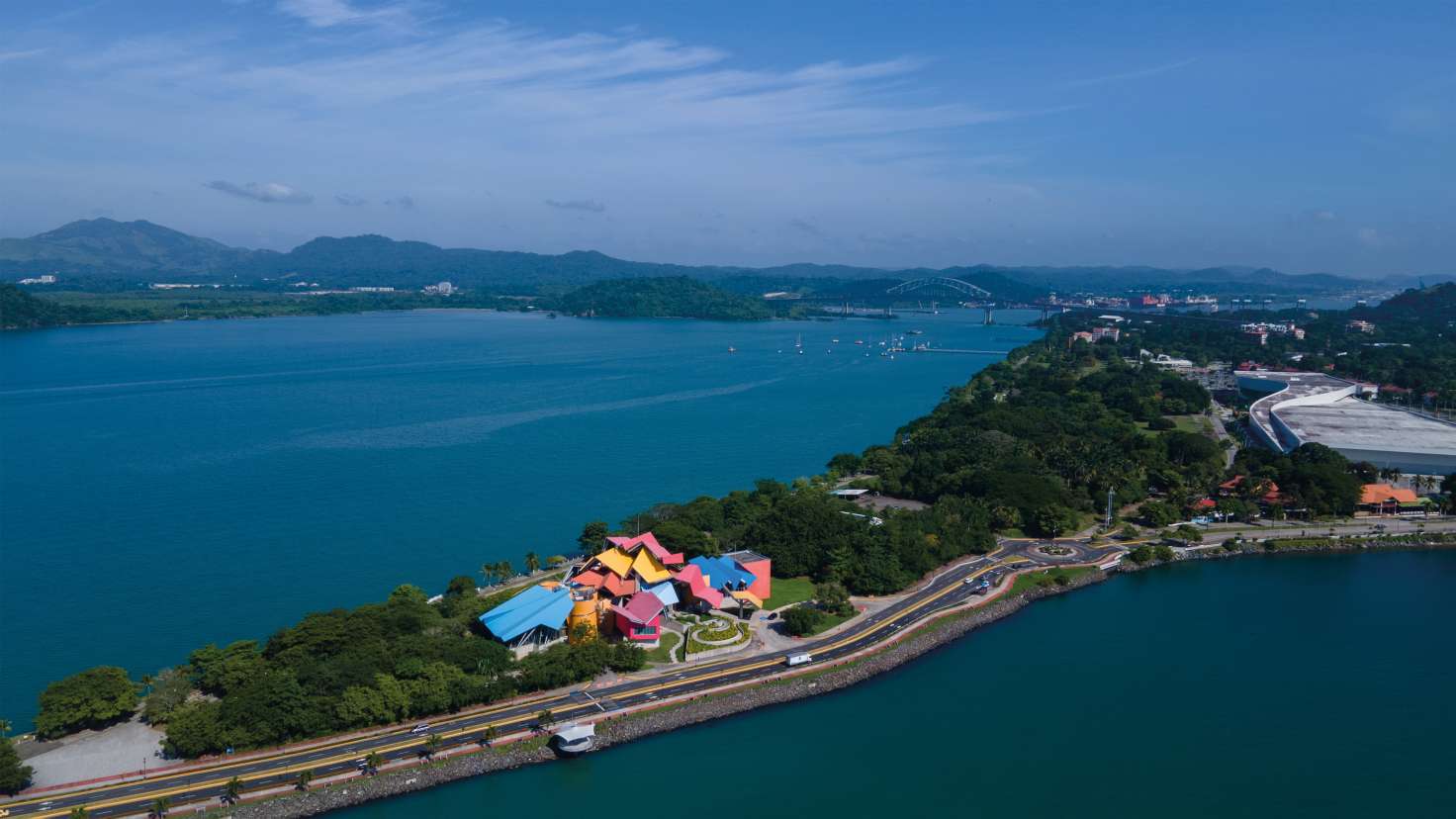
How can a touristic circuit be created to connect the Biomuseo, Amador Causeway, the military history of the area, and the Panama Convention Center into one cohesive, grand experience?
“Amador has enormous potential to offer an integrated experience. It brings together scenic beauty, a fascinating military history, and a strategic location between Casco Viejo and the Panama Canal—complemented by projects such as the Biomuseo, the Panama Convention Center, and the Cruise Terminal.
But its greatest strength is that it is already a vibrant, living place: thousands of people visit to exercise, seek recreation, spend time with their families, or simply enjoy the views of the city.
Our contribution is the Biomuseo Park project, which expands our public park space to a total of 7.5 hectares, featuring trails, natural areas, and historic buildings. We want it to be a meeting point for both residents and tourists, and a starting point for exploring everything Amador has to offer”.
How do you envision the Biomuseo’s role in Panama City and across the country ten years from now?
“At the Biomuseo, we like to dream big. In ten years, we see ourselves even more firmly established—as a museum cherished by the Panamanian people and as a world-class tourist attraction.
Within the city, we aspire for the Biomuseo and its park to become an increasingly significant meeting place. Nationally, we aim to broaden our reach through visitor centers, traveling exhibitions, and collaborations with other museums and institutions.
Success will not be measured solely by the number of visitors, but by how many leave with a new perspective on Panama—and with a desire to contribute to its conservation”.
Photos courtesy: Victor Cucalon – Biomuseo