
For over three decades, the residents of Lidice have shared a desire to create a museum that preserves the history and helps safeguard the historical heritage of Capira. Today, that goal is beginning to take shape with the Lídice Museum and Capira Culture project—an initiative born from the community itself.
According to Vannie Arrocha—a journalist, researcher, and one of the project’s promoters—the idea has existed for at least 36 years, though it never materialized due to the lack of a technical proposal. In January of this year, she voluntarily drafted a proposal that was reviewed by specialists in history, museology, and architectural restoration prior to its presentation.
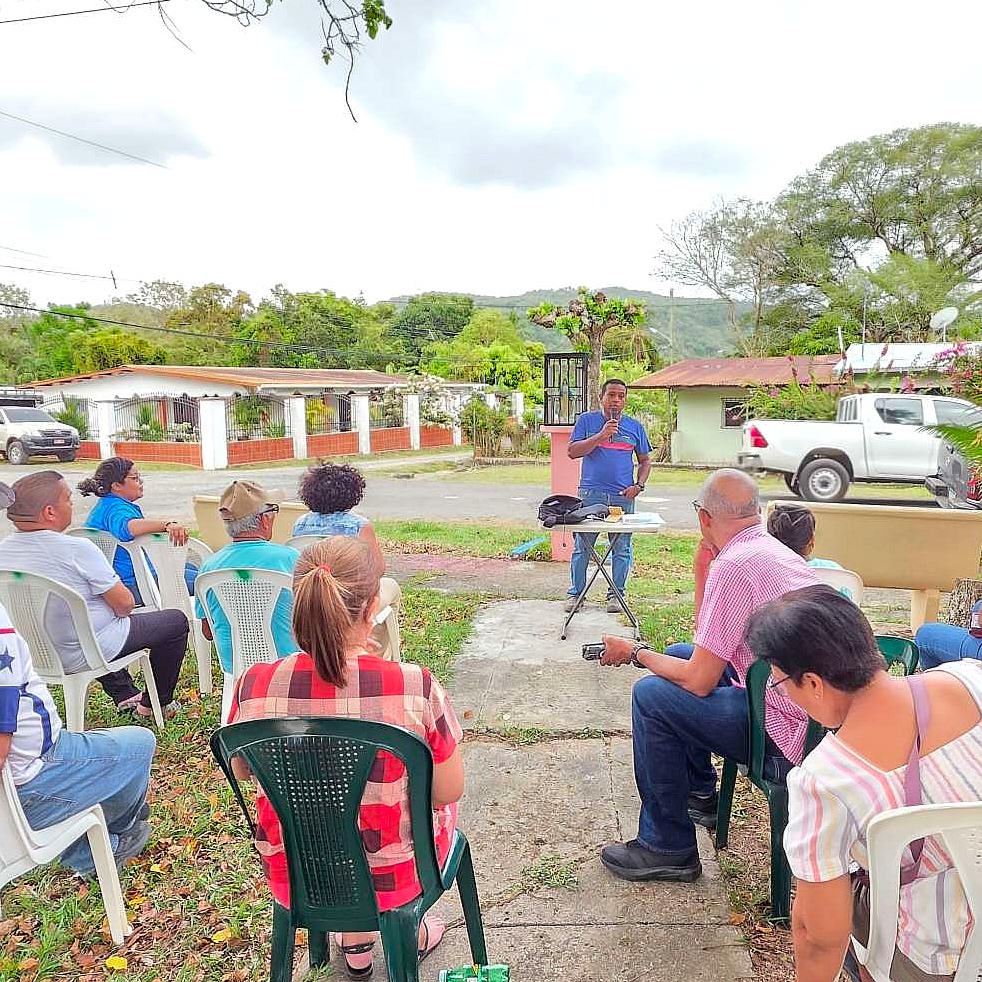
The initiative is being driven by a community committee comprising Eva Arosemena, Raul Rodriguez, Pablo Moran, Naybel Quintero, Rodolfo Jaen, Katherine Concepción, Luisa Moran, and Susana Lorenzo, with the collaboration of Marcela Camargo, a historian and the first director of the Reina Torres de Araúz Anthropological Museum.
A History Worth Preserving
To understand the history of Lidice, Arrocha notes, one must also understand the history of Capira—a district with 171 years of administrative history and nearly 7,000 years of human habitation.
Key milestones include evidence of pre-Columbian agriculture discovered at Monte Oscuro by scientist Dolores Piperno of the Smithsonian Tropical Research Institute (STRI); the presence of indigenous peoples speaking the Cueva language; the founding of San Isidro de Quiñones de Capira in 1628; the district’s involvement in the Thousand Days’ War; and the renaming of El Potrero to Lidice on October 31, 1943, in honor of the Czechoslovakian village destroyed by the Nazi regime.
Education and Research to Strengthen Cultural Identity
The museum will develop an educational program aimed at local students to strengthen cultural identity, foster pride in belonging to Capira, and promote civic engagement.
The proposal includes partnerships with academic institutions and research centers, as well as a permanent team dedicated to studying local history. Arrocha points out that this vision aligns with a report by the Organization of Ibero-American States (OEI), which highlights the value of heritage education and museums in strengthening the bond between communities and their heritage.
A Museum Set to Have a Major Tourism Impact on Capira
Beyond its educational and cultural role, the project aims to boost tourism and the local economy. As the district’s first ecomuseum, it includes a promotional strategy to attract visitors and plans for a heritage trail based on historical research.
Progress Toward Realizing the Museum
The project holds a letter of endorsement from the Ministry of Culture, supporting the preservation of historical memory and facilitating the arrangement of agreements and donations.
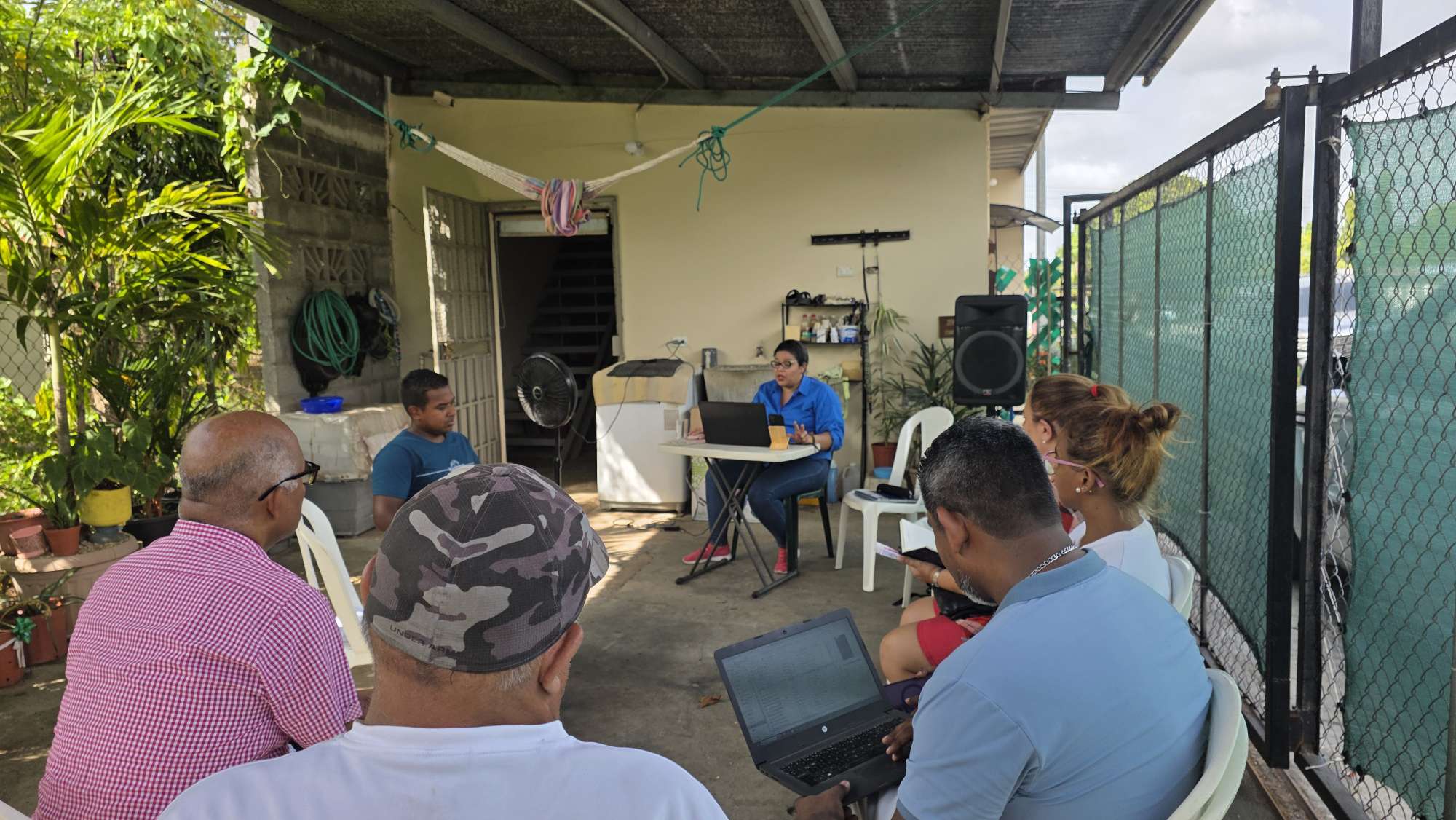
Key milestones include the committee’s participation in the 2026 Anthropology and History Congress and efforts to strengthen ties with the Czech Republic, alongside meetings with the OEI, the Technological University of Panama (UTP), and the Smithsonian Tropical Research Institute (STRI).
The Significance of the Historic Lídice Site
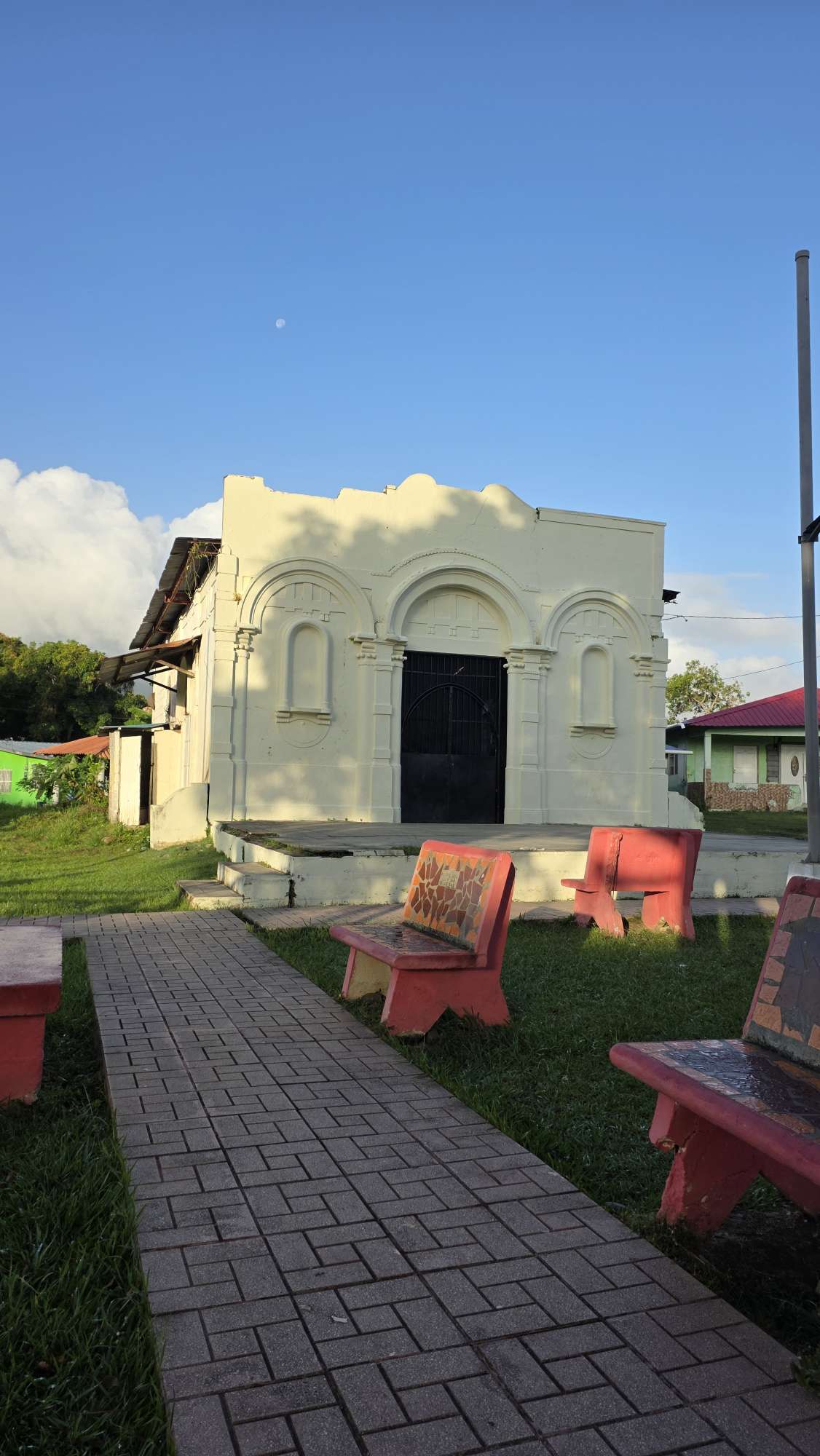
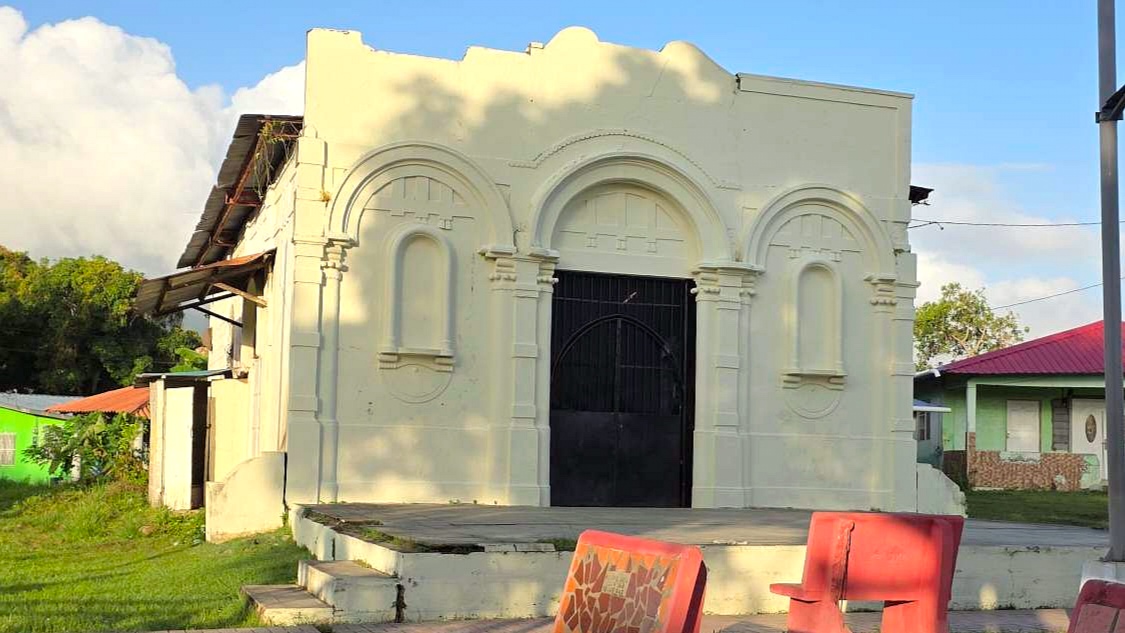
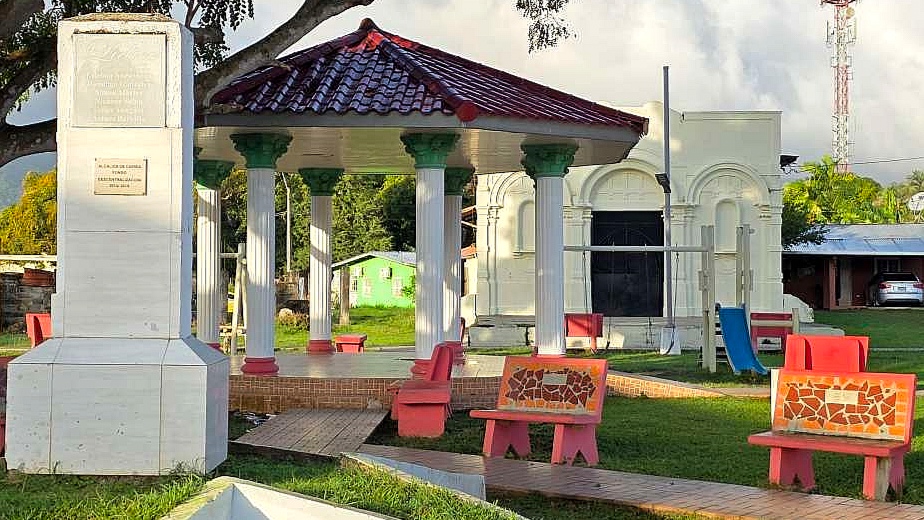
The museum would be located at the historic Lídice site—comprising the Central Park, the monolith, and the old chapel. This site was the setting for the official ceremony on October 31, 1943, during which the town of El Potrero adopted the name Lídice.
According to Arrocha, a banner bearing the phrase “Lidice, victim of the Nazi horde, now lives in Panama” was placed on the chapel’s façade during its construction, making the building a direct witness to this historic event and an ideal location for the future museum.