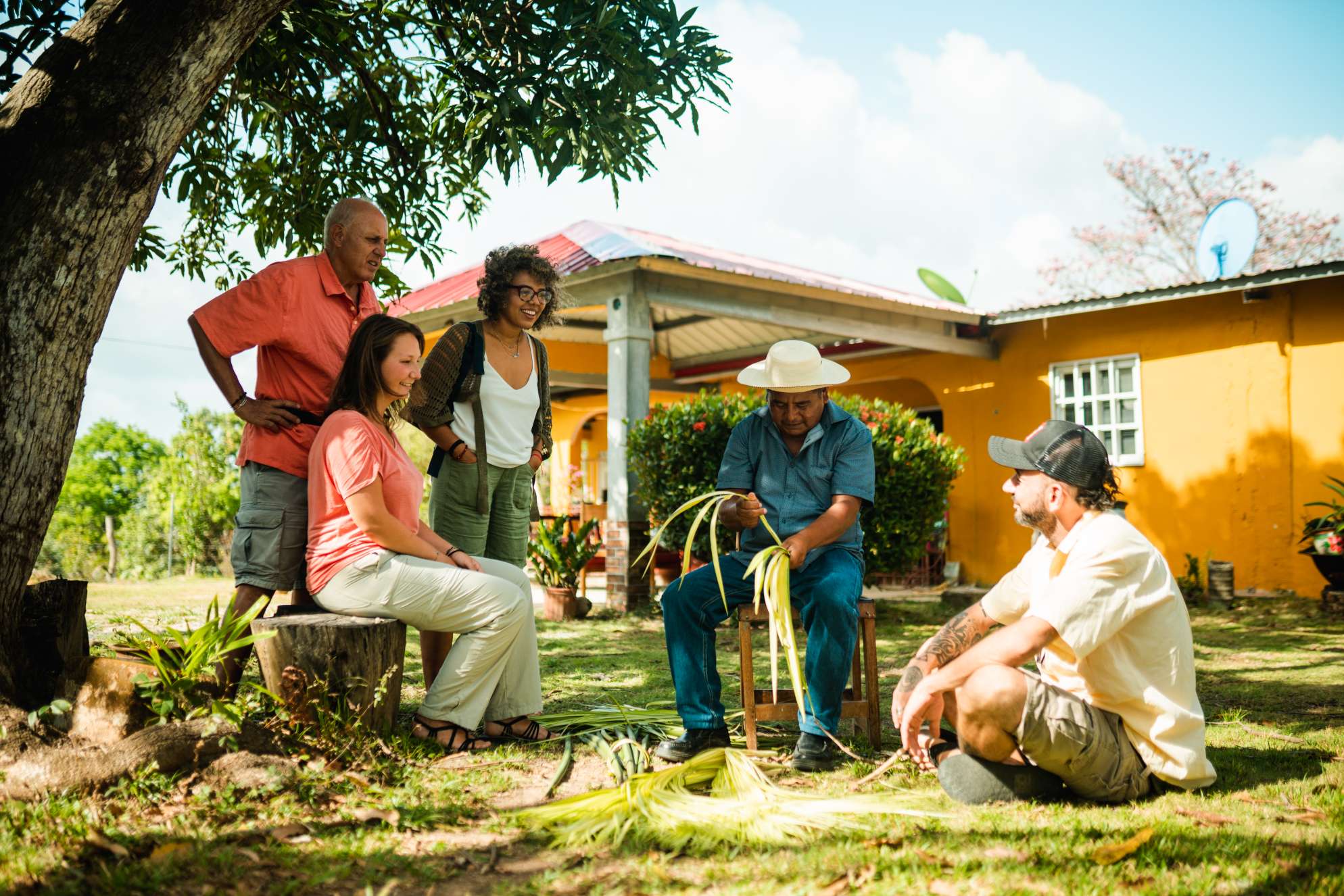

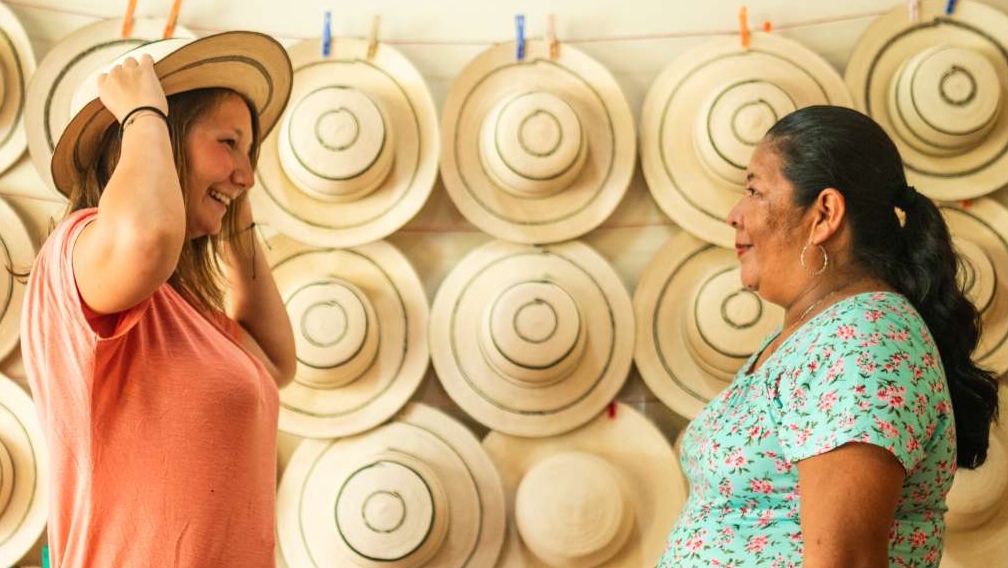
The Sombrero Pintao is far more than an iconic piece of Panamanian attire; it embodies artisanal knowledge, identity, and traditions passed down through generations. In 2017, UNESCO inscribed the artisanal techniques used to obtain the plant fibers for its talcos, pintas, and crinejas (braided elements) onto the Representative List of the Intangible Cultural Heritage of Humanity, recognizing the cultural value of this knowledge and the communities that preserve it.
An Artisanal Technique Preserved Over Time
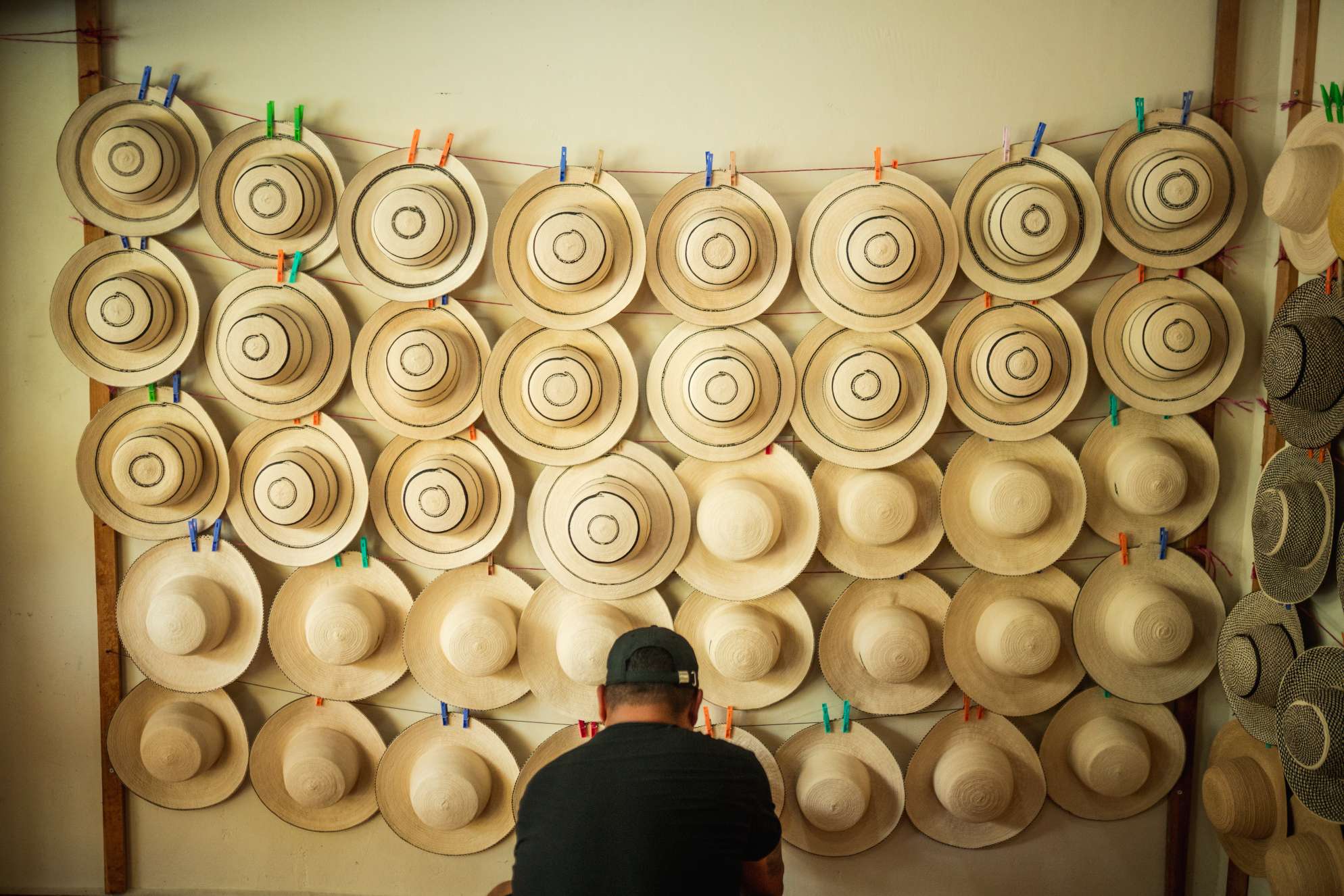
Its creation is a manual process combining knowledge of plants, fiber preparation, natural dyes, and weaving. According to Panama’s Ministry of Culture, five plant species are used: bellota, junco, chonta, chisna, and pita. Swamp mud is also used to achieve the black coloration of specific fibers.
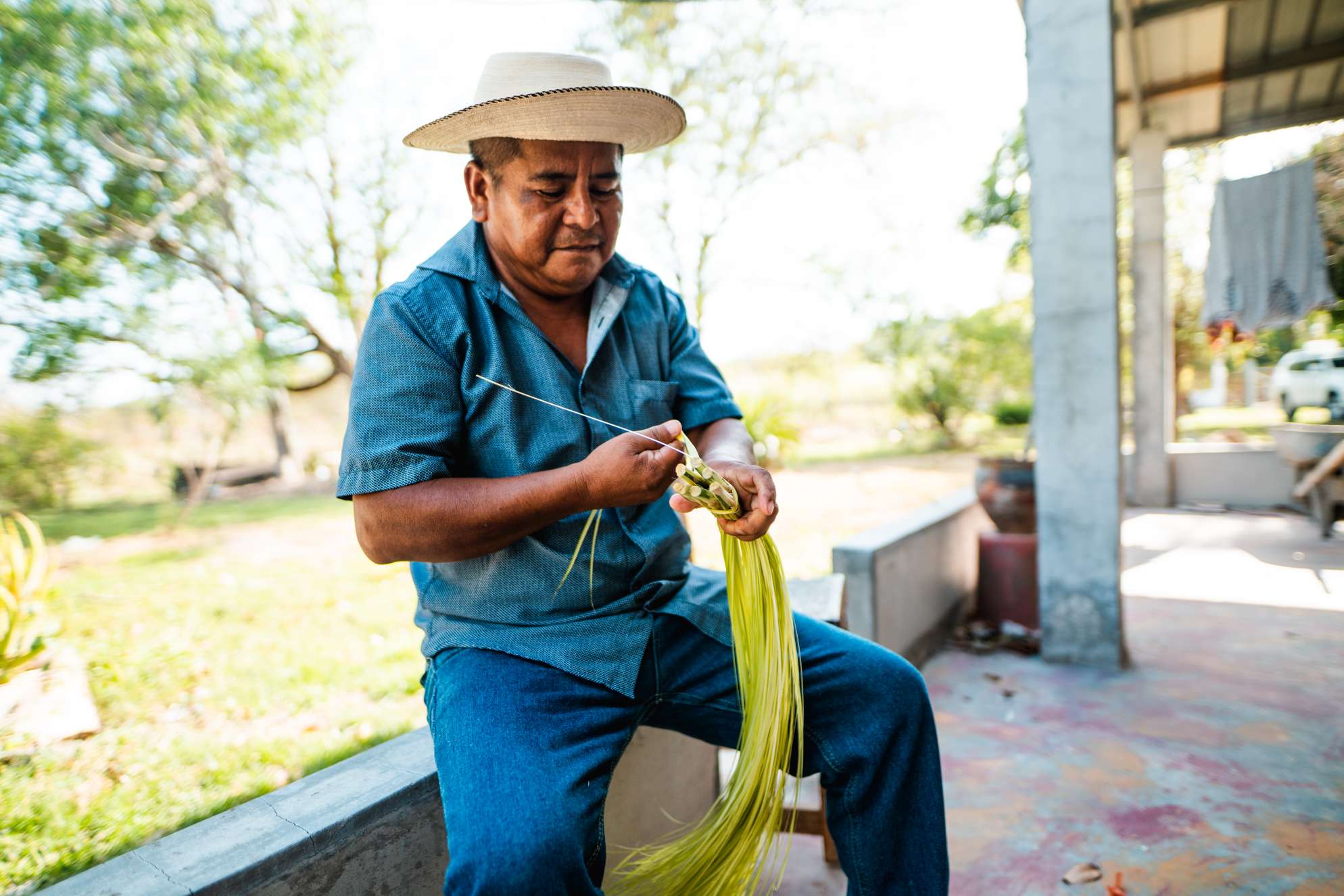
Bellota shoots are prepared to obtain the fibers for the *crinejas. Junco and chonta are cooked with chisna leaves to achieve reddish tones, and upon immersion in swamp mud, they take on a black color. Subsequently, the crinejas, talcos, and pintas are sewn around a wooden mold.
Each stage demands skill, dedication, and experience. Preserving these techniques means safeguarding artisanal knowledge whose value extends far beyond the finished product.
Cocle: Heart of a National Tradition
Cocle province is the primary hub for this craft, particularly in the districts of La Pintada, Penonome, and Anton. According to Panamanian cultural records, artisans preserving these traditional techniques are also found in the provinces of Herrera, Los Santos, and Veraguas.
La Pintada plays a prominent role in promoting this craft culturally and for tourism. Its fairs and festivals bring together artisans, visitors, and local communities around this tradition, fostering the spread of the craft and recognition for its creators.
A Cornerstone of Panamanian Folklore
The Sombrero Pintao is part of traditional attire and features prominently in folk dances and community celebrations. UNESCO highlights its role in the country’s regional costumes and traditional festivities.
Its presence in rural life and Panamanian cultural expressions makes it a symbol of national identity, as well as an attraction for those wishing to discover Panama’s cultural roots.
Heritage That Opens Doors to Tourism
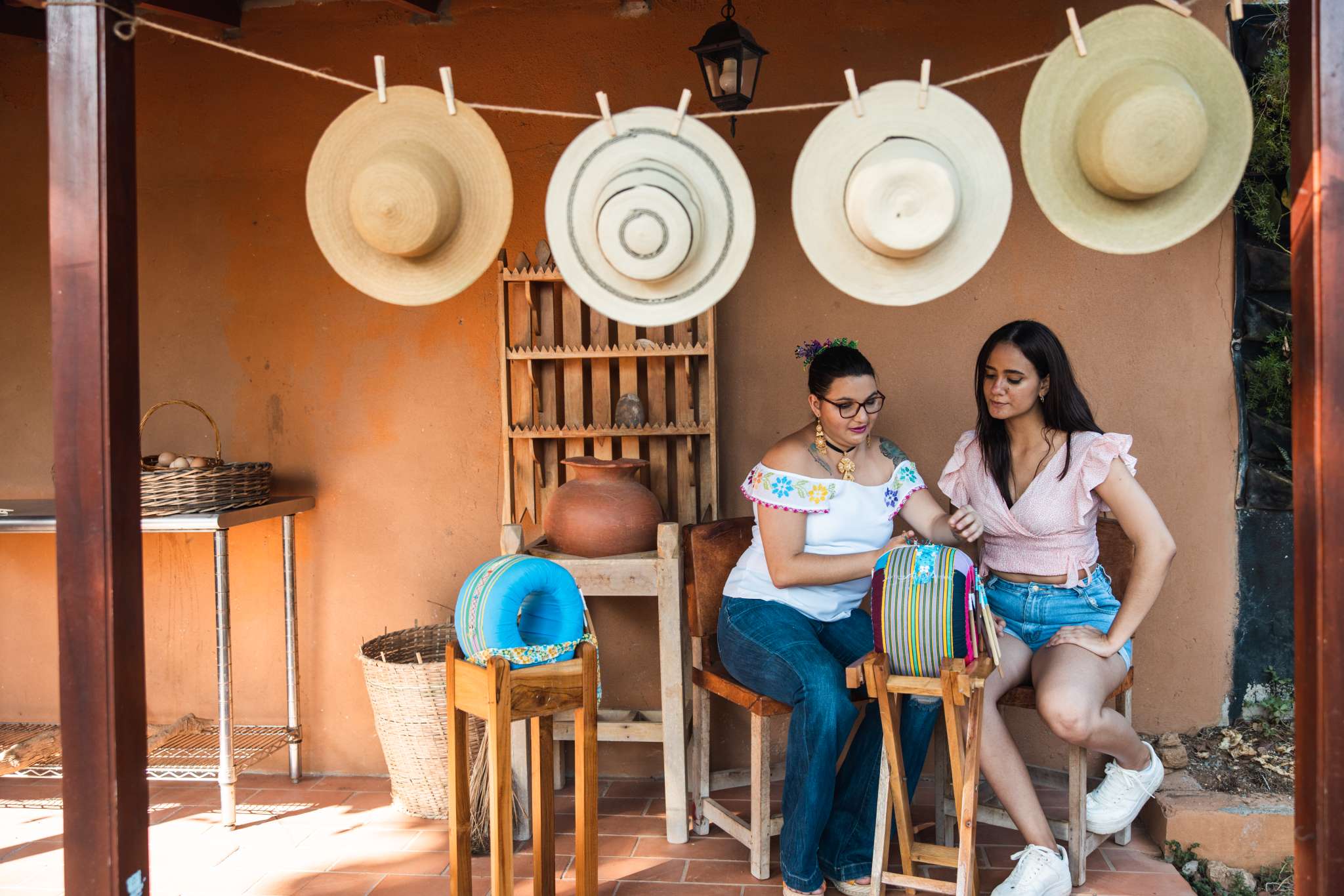
The Sombrero Pintao offers opportunities to strengthen cultural and community-based tourism. Visits to artisan workshops, weaving demonstrations, and direct purchases from producers can connect travelers with the history and craftsmanship behind each piece.
These experiences could be complemented by traditional cuisine, community tours, and visits to local markets—always coordinated with the artisans and with respect for their work schedules.
Every year, the National Sombrero Pintao Festival, held in the town of La Pintada, highlights the importance of this tradition and the dedication required to create the hats.
A Tradition with a Bright Future
Promoting the Sombrero Pintao as a tourism experience requires protecting its techniques, recognizing the craftsmanship involved, and ensuring that communities share in the resulting opportunities.
Every fiber and design preserves a part of Panama’s cultural heritage. Transforming this legacy into a responsible tourism experience can enrich the country’s offerings and help keep this tradition alive for future generations.