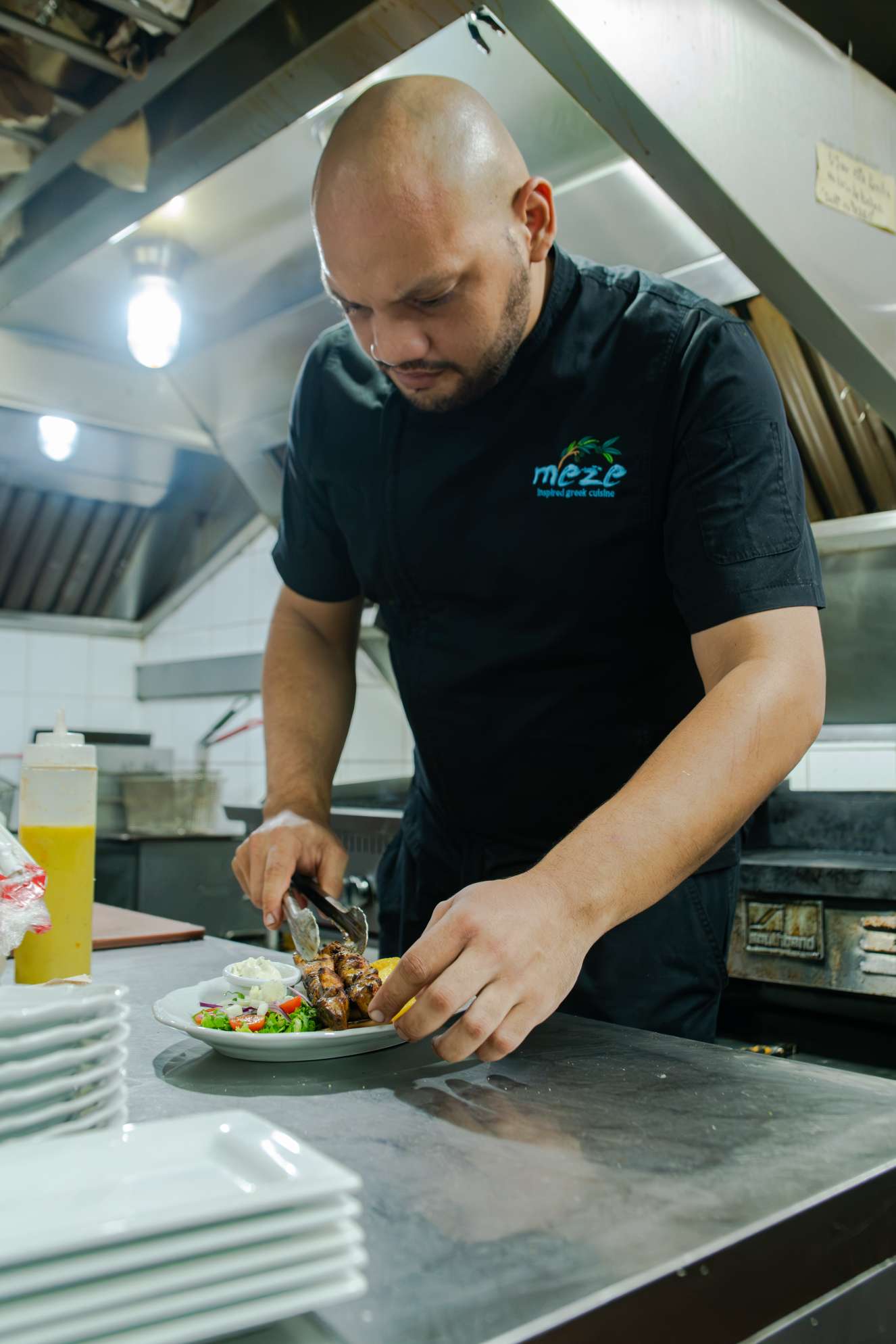

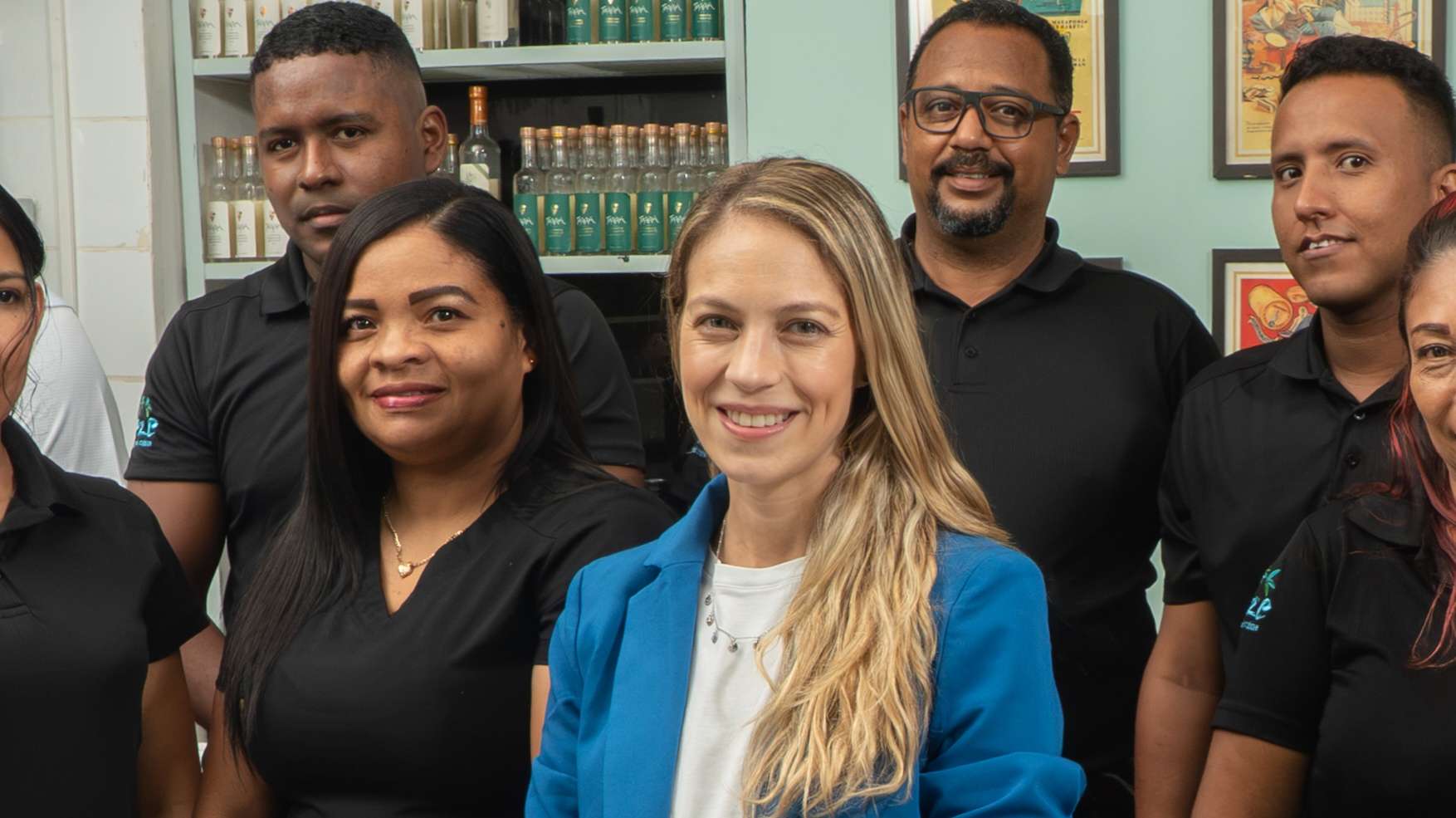
Gastronomy evolves not only through new flavors but also through the ability to rescue traditions and transform them into experiences that connect with people. Greek gastronomy is a clear example, with a tradition deeply linked to the hospitality and generosity of sharing around the table. Keeping this essence alive and bringing it closer to the Panamanian public requires vision and leadership like that of our guest, Heidy Muñoz, General Manager of Meze, who, through her management, seeks to connect Greek tradition with the warmth of Panama. In this edition, she shares her vision of gastronomy, hospitality, and the value of creating experiences that transcend the table with The Visitor- El Visitante.
How has Greek food influenced Panamanian cuisine on a daily basis?
“Greek cuisine has been quietly but steadily gaining ground in Panama. Today moussaka, souvlaki or tzatziki are part of the local culinary vocabulary.
This reflects a shift in how Panamanians relate to food. The influence also comes through ingredients like olive oil, oregano, dill, Greek yogurt, legumes, and feta cheese, which are now staples in Panamanian pantries and even appear in home kitchens.
But I believe the deepest influence lies in the philosophy. Greek cuisine shares with Panamanian cuisine the idea that food is a social act. In both cultures, the table is a space for sharing, gathering, and enjoying together. Therefore, Greek cuisine doesn’t feel foreign, but rather complementary to Panamanian culinary identity”.
What strategies do you implement at Meze to ensure the food goes hand in hand with the human touch and the ambiance? What do you aim to achieve in the diner’s experience?
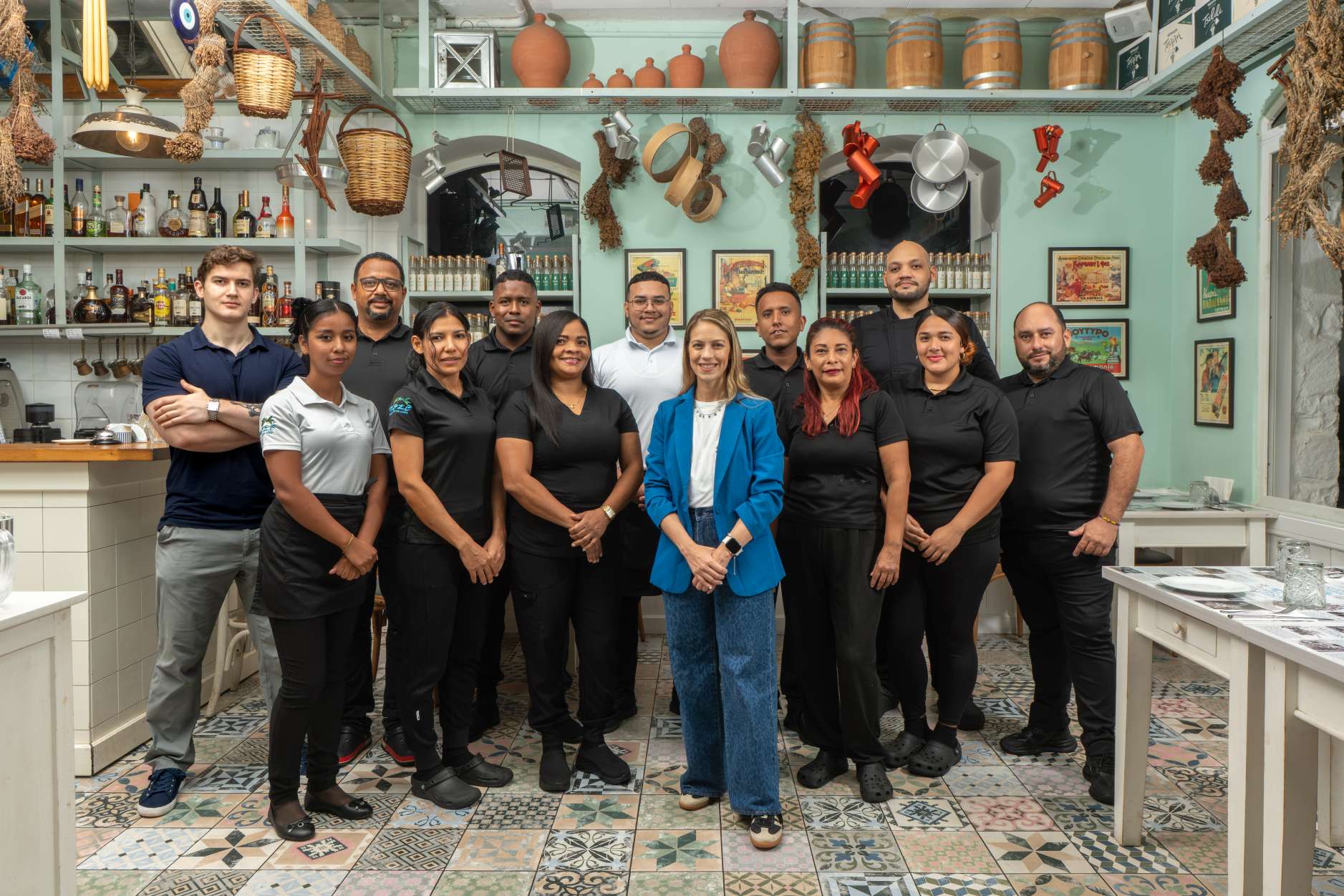
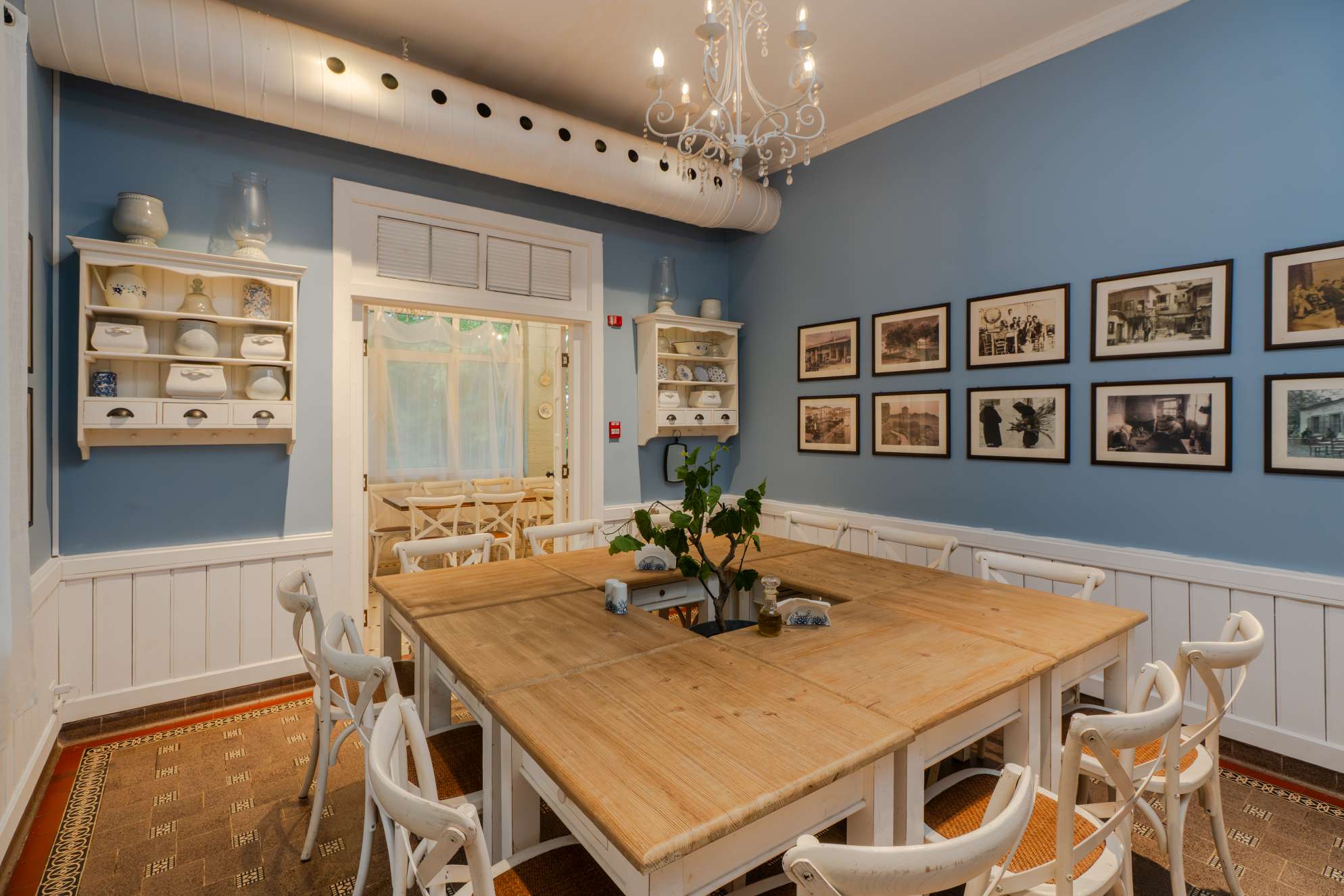
“At Meze, we believe the dish is only one part of the experience. The cuisine, the service, and the ambiance must work together as a single gesture of hospitality. That’s why we work as a team so that every employee understands that their role is fundamental to making diners feel welcome and cared for. We also pay attention to every detail of the ambiance to convey a sense of Mediterranean warmth, integrated with Panamanian identity. We strive to create spaces where the lighting, music, and layout invite guests to share, converse, and enjoy themselves at a leisurely pace”.
What are the most important elements for the gastronomic industry in Panama to continue developing and ultimately position itself as a tourist product with international reach?
“I believe Panama has all the ingredients to become an international culinary destination, but this requires a sustained strategy and a collective effort. The first element is the development of human talent: we need to continue training chefs, cooks, service staff, and managers who understand both technique and hospitality.
We must also leverage our cultural diversity as a strength. Panama brings together Afro-Caribbean, Indigenous, Chinese, Lebanese, Greek, Italian influences, and, of course, our own traditional cuisine. All this richness can become a culinary story to share with the world.
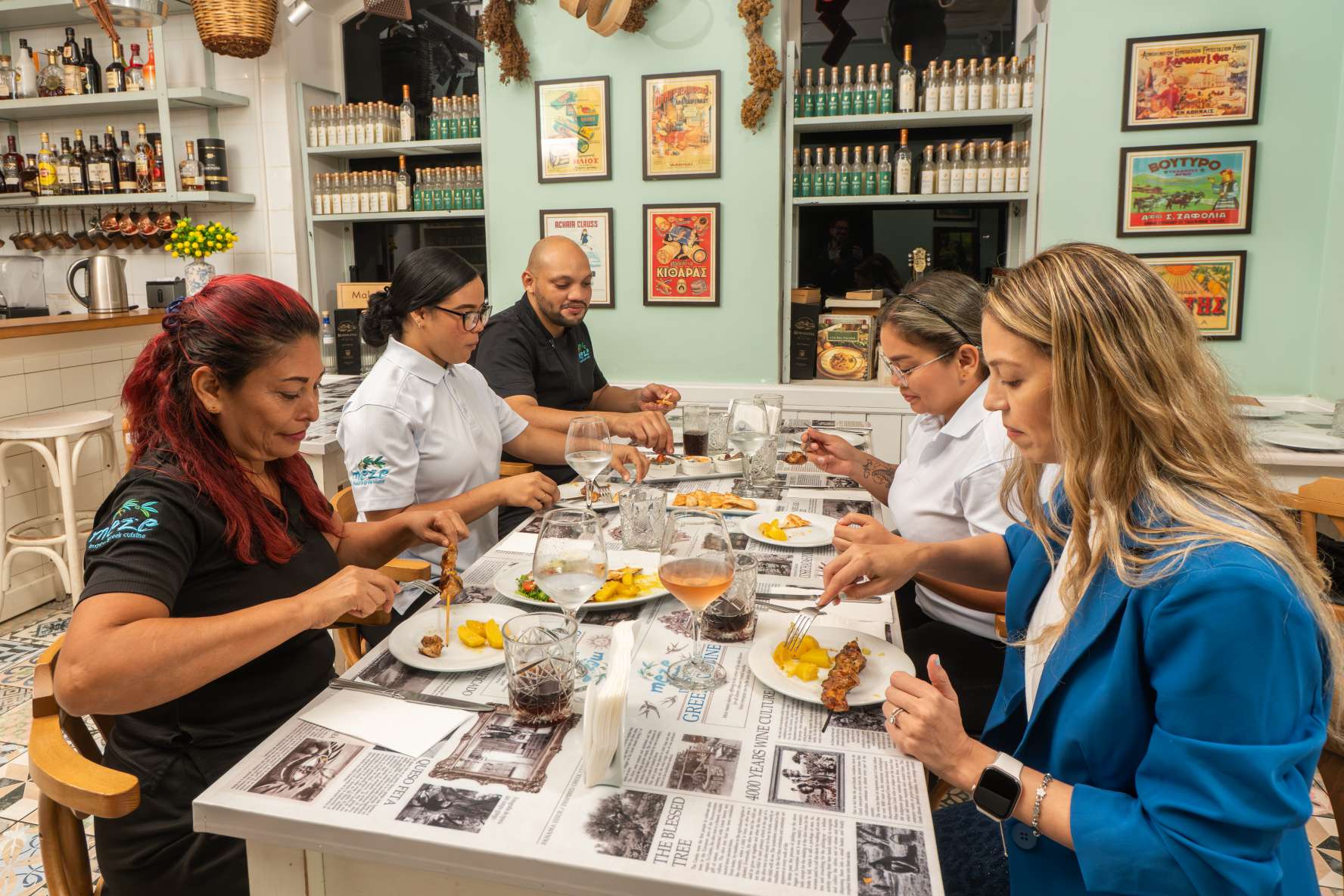
Another key point is joint promotion between the private sector and tourism institutions, through campaigns, fairs, partnerships, and culinary routes that allow visitors to discover what we have to offer. Added to this is the need to maintain consistent standards of quality, service, hygiene, and authenticity throughout the industry.
Finally, I believe that hospitality should be our greatest differentiator. Panama naturally has a warm and welcoming character, and if we manage to bring that essence to every culinary experience, we can offer visitors something truly special.” It goes far beyond a good dish: it’s an authentic experience you’ll want to remember and repeat”.
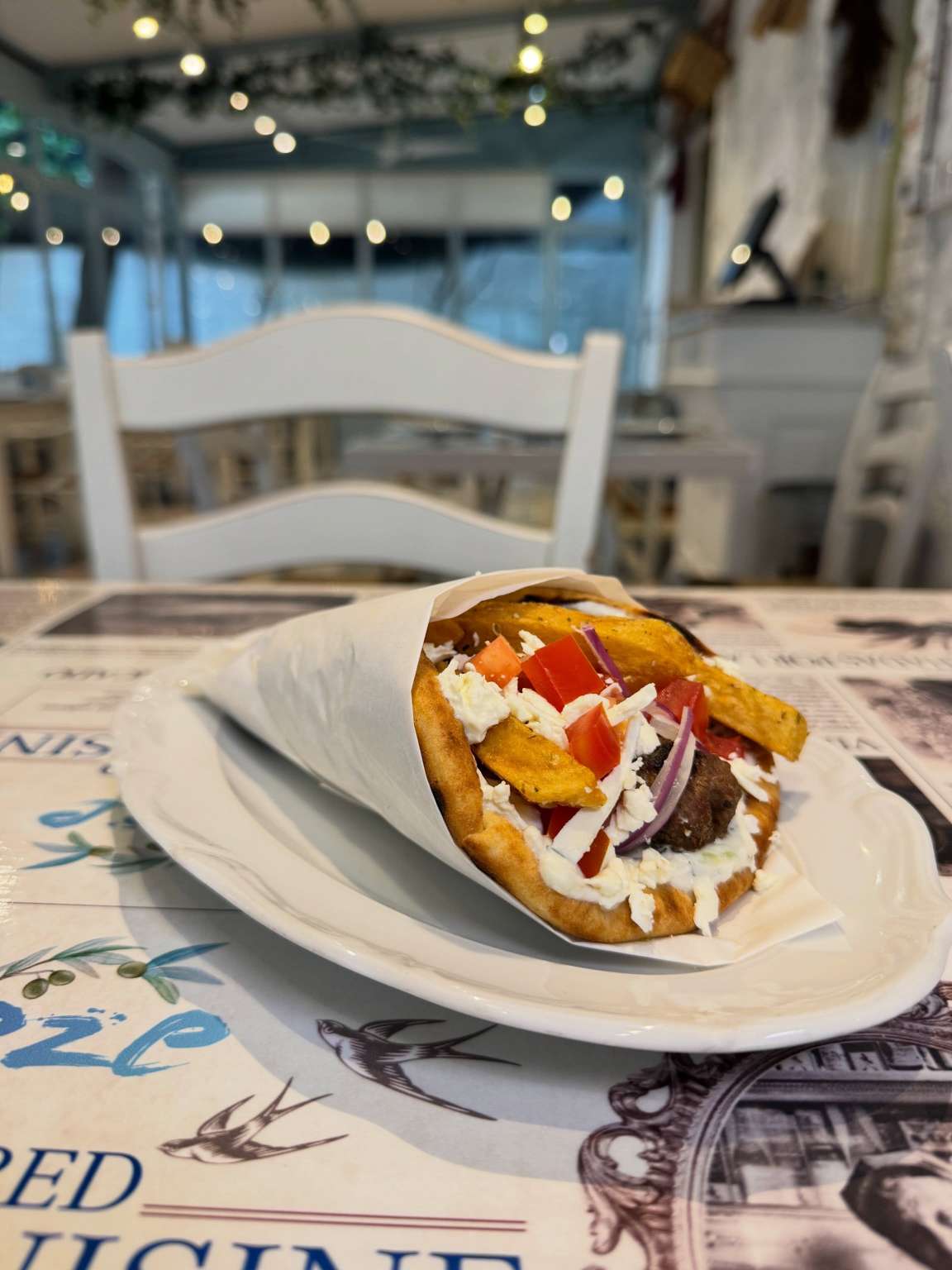
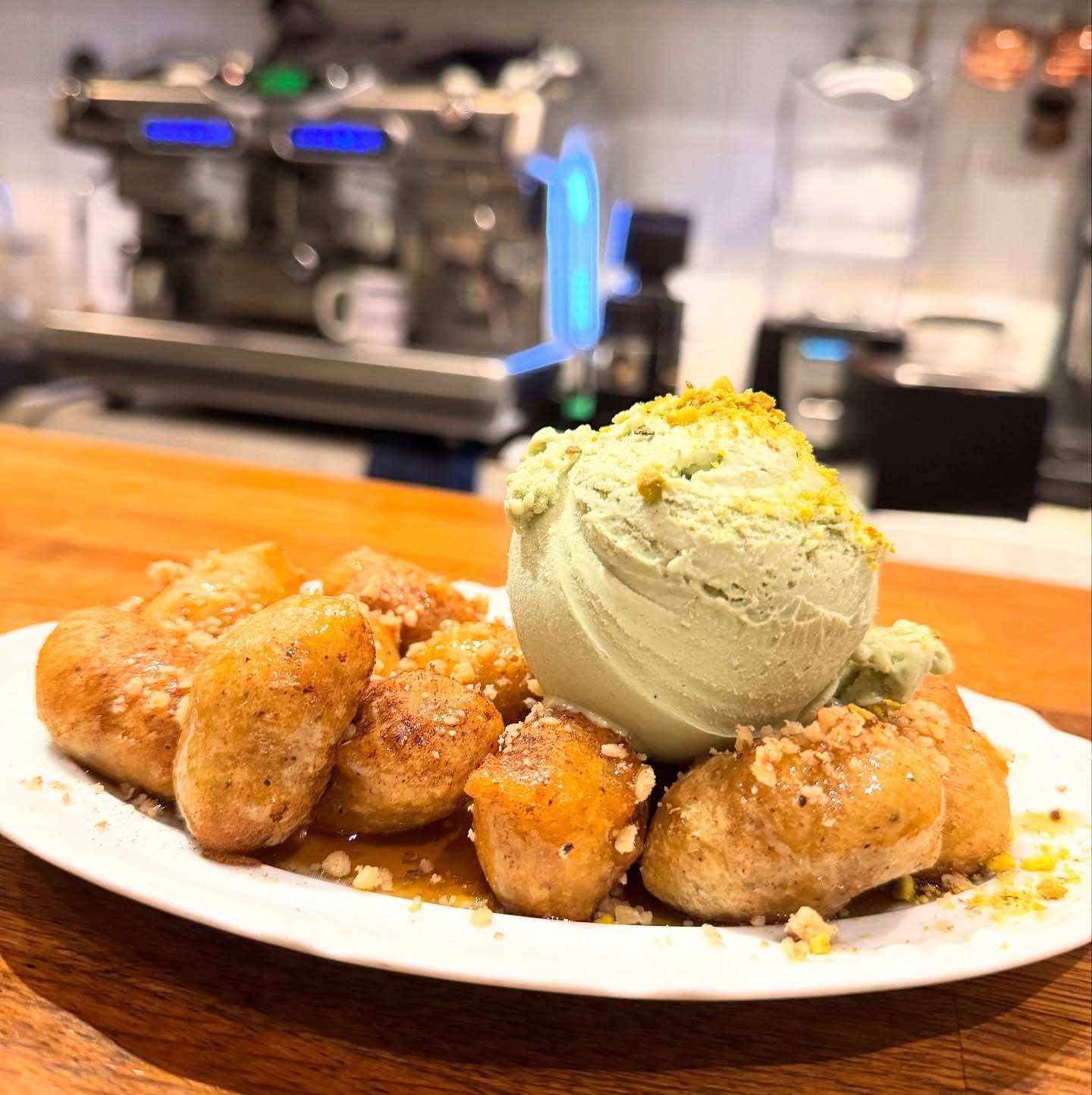
What are the 3 most popular dishes at Meze and why?
“At Meze, three dishes clearly stand out among our diners’ favorites: moussaka, grilled octopus, and baklava. Moussaka perfectly embodies the soul of Greek cuisine. Its layers of eggplant, potato, meat, and gratineed bechamel create a comforting combination that many describe as “the dish that tastes like grandma’s kitchen”.
Grilled octopus is also a favorite. Its tender texture inside and slightly crispy outside, accompanied by olive oil, lemon, and Mediterranean herbs, resonates especially with Panamanians’ love of seafood.
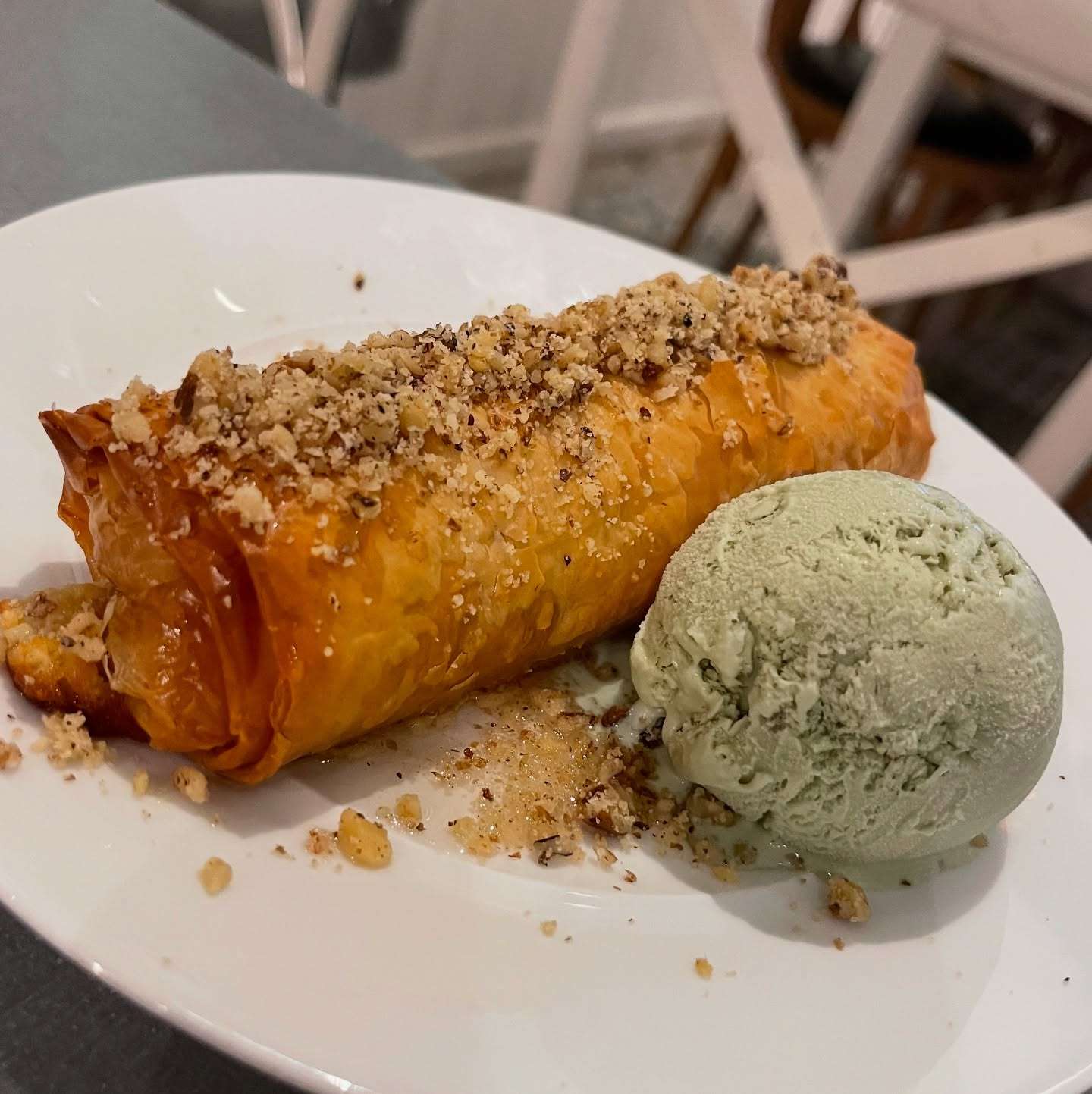
Finally, baklava is one of our most requested desserts. Its layers of phyllo dough, walnuts, and pistachios, bathed in honey and spices, offer a contrast between crispy and sweet that has won over our diners”.
Photos courtesy: Heidy Muñoz – Meze Restaurant