
The coffee industry in the Boquete district has developed so significantly that it is now a tourism product with the potential to benefit the entire country.
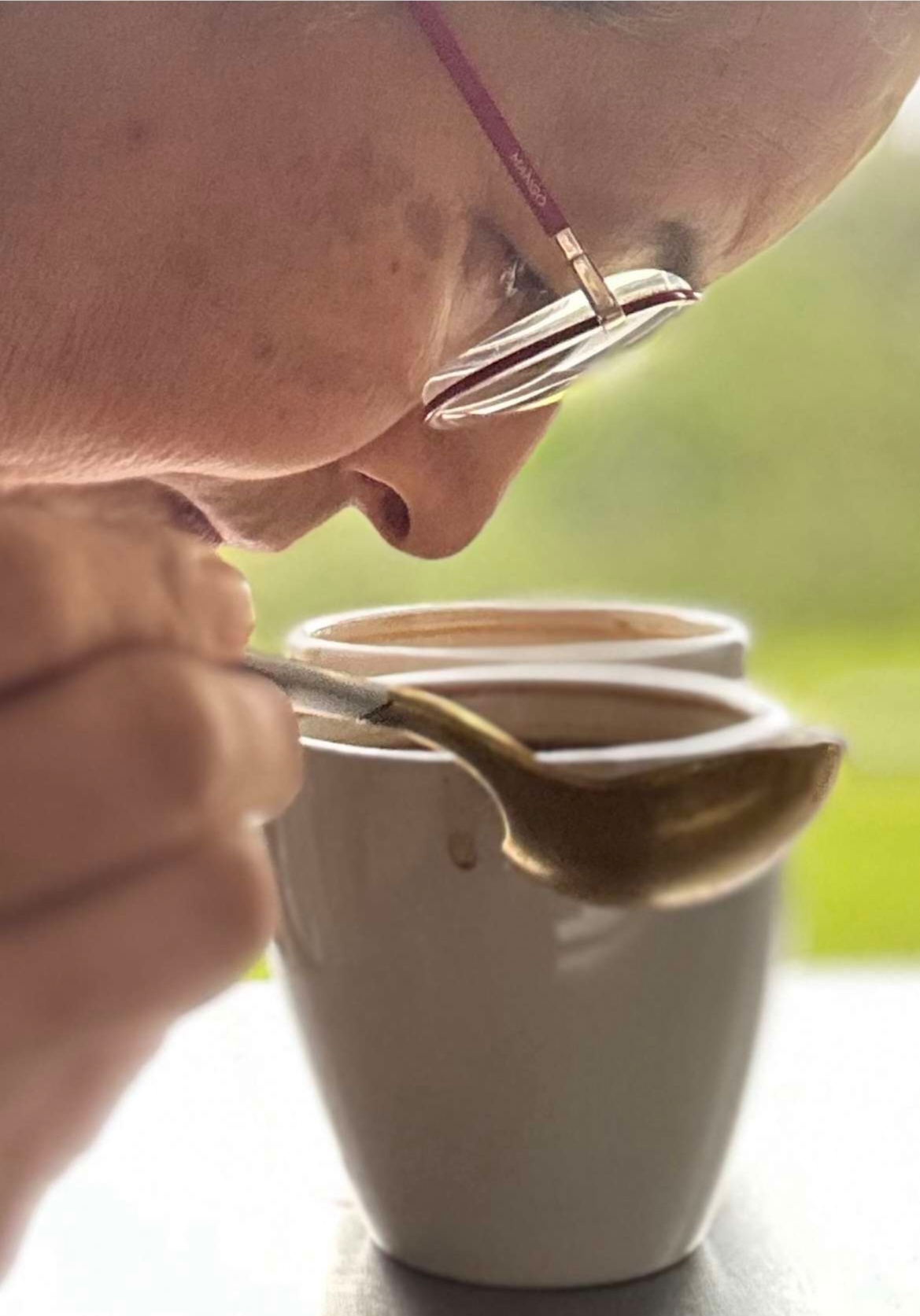
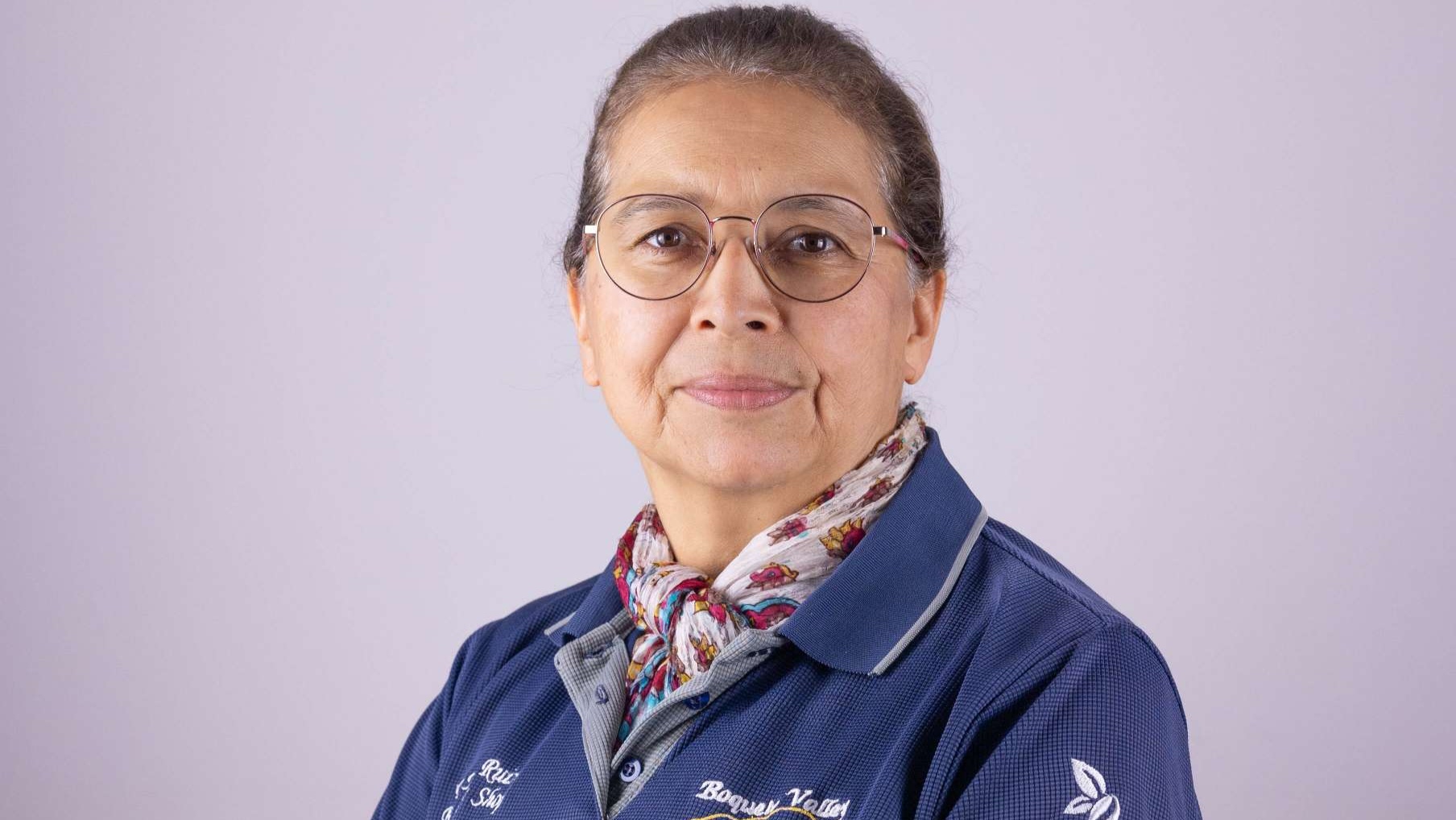
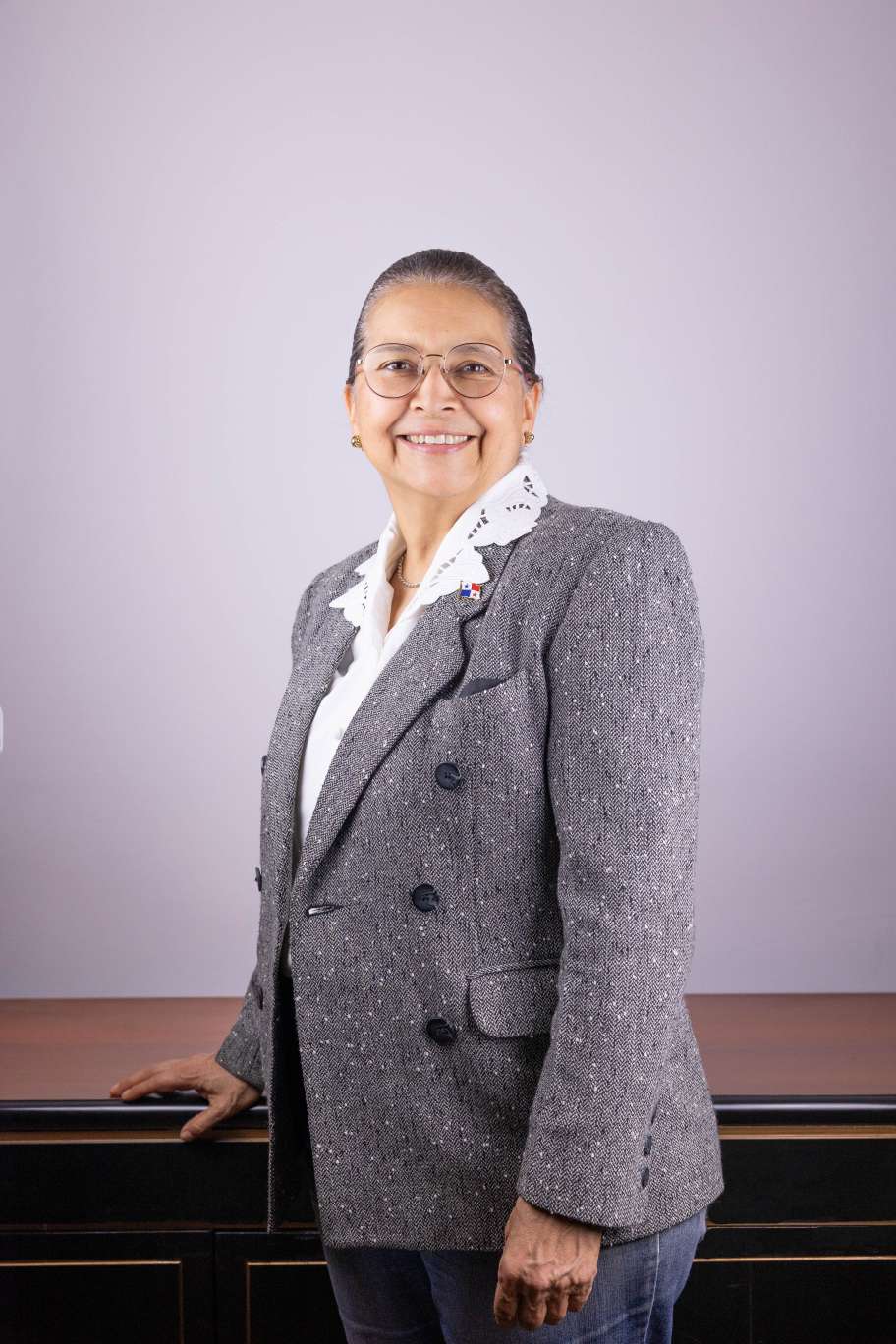
For this reason, our Special Guest is a businesswoman, coffee grower, and promoter of specialty coffee, recognized for her leadership in the development and international positioning of coffee in Boquete. A native of Boquete, she is part of the fourth generation of a family dedicated to coffee cultivation since the late 19th century. Together with her brother, Plinio Ruiz, she has led the evolution of Cafe Ruiz, and in 1988 became the first person in Panama to receive specialized training in coffee cupping.
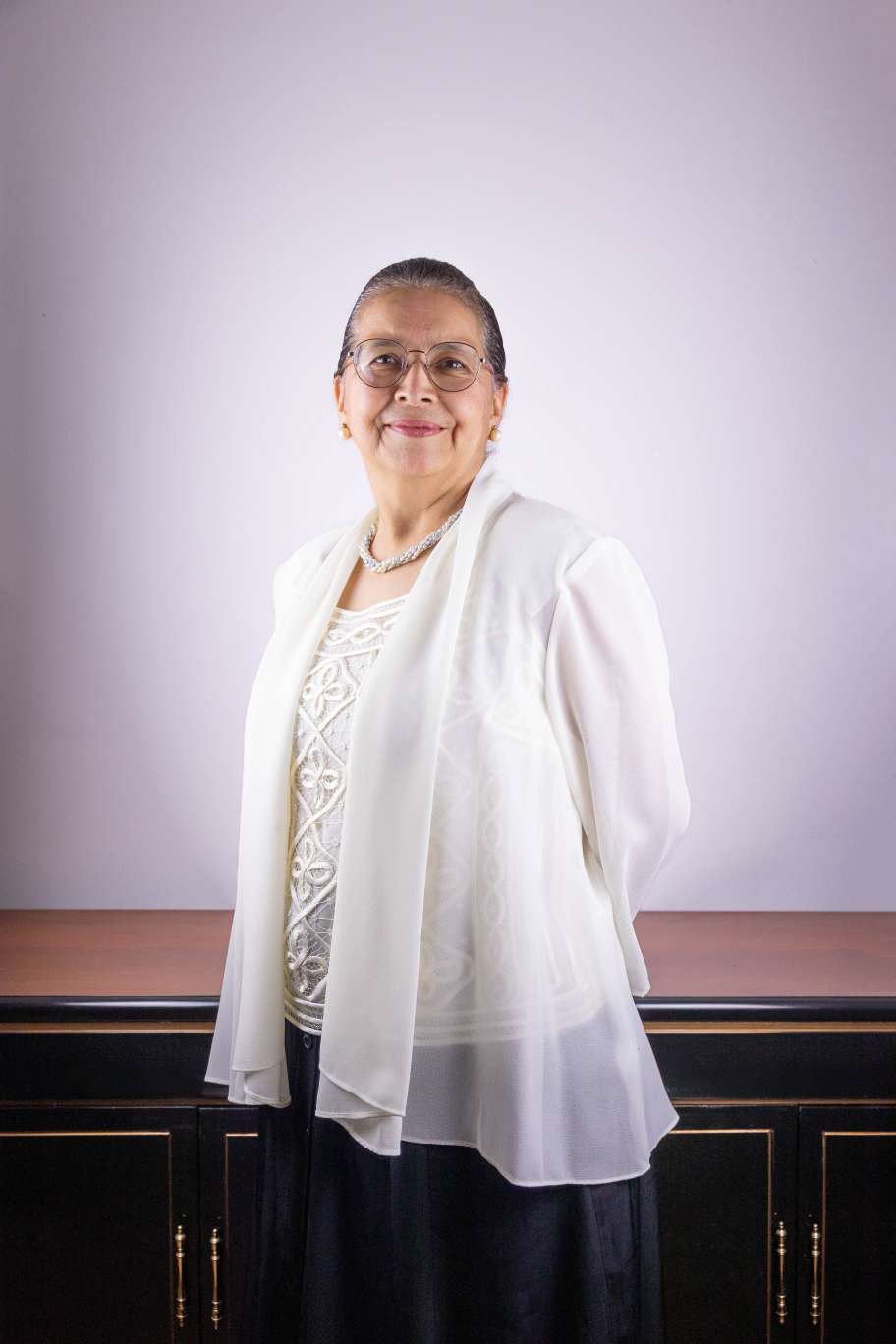
Maria Elisa Ruiz is one of the most influential figures in Panamanian coffee farming and gives an exclusive interview to The Visitor – El Visitante to share her knowledge of the coffee industry and its relationship with tourism in Boquete.
How has Cafe Ruiz evolved in Panama and the rest of the coffee industry to this day?
“My history with coffee goes back long before Cafe Ruiz. My family arrived in Boquete generations ago and found in coffee a way to develop the land and build a future. Over time, each generation deepened their knowledge of coffee cultivation and processing, also contributing to the recognition of Boquete coffee.
My grandfather continued that legacy by acquiring a farm in Boquete and continuing to produce coffee. Later, during the growth of the Central American coffee industry, our family decided to also get involved in marketing the product, giving rise to Cafe Ruiz in 1983. I have always believed that to compete internationally, you have to constantly learn. That pursuit of knowledge strengthened our business and helped foster healthy competition among producers. One of the most important advances has been that Panamanian producers learned to taste their own coffee. This culture of learning and innovation has allowed Panama to earn a prominent place in the global coffee industry”.
What makes the coffee experience in Boquete so different from the rest of the country?
“I’ve always thought that coffee is a unique product. When someone finds the coffee, they truly love, that coffee becomes a part of their life. Few products create such a personal connection, which is why the morning coffee is so important. This special relationship is also linked to Boquete and its history. I was struck by the fact that proposals to develop tourism in the region already existed in the 1950s, demonstrating that the extraordinary value of this place has long been recognized. For me, Boquete’s future depends on protecting what makes it unique: its landscape, its biodiversity, and its natural resources”.
Previously, tourism in Boquete focused on climate and nature. How is specialty coffee in Boquete supporting tourism in this region?
“For many years, in Boquete, we received visitors who came primarily to buy coffee, but who also toured the farms, explored the region, and stayed a few extra days. Although coffee tourism wasn’t yet a term used, an experience already existed that combined commerce, knowledge, and a connection with the place.
That’s why I believe we must continue developing a tourism offering linked to the concept of terroir. For me, terroir isn’t just the climate or the soil; it also includes the topography, the water, the history, and the people who give each farm its identity. Coffee is a reflection of its environment. When someone tastes a high-quality cup, they are also perceiving the natural conditions that made that product possible”.
What needs to be developed in order for Boquete’s coffee experience to be more widely felt throughout the rest of the country, and motivate people to visit this region of Chiriqui?
“I think there’s a great motivation among people to learn something new, and that’s one of our greatest advantages. The challenge lies in making the experience feel accessible, because often those outside of Boquete perceive it as a distant place, when in n
Geisha coffee is the most expensive coffee in the world. How can we use this to motivate people to experience its quality and also to explore our tourism?
“Every destination has its own unique characteristics. You don’t visit a coffee farm the same way you visit a tourist monument. To preserve its appeal, you first have to understand and care for it. In Panama, we must also recognize that our resources are limited, so our path lies in developing specific market niches. The history of coffee in Panama is a good example. Learning coffee cupping allowed us to recognize the value of our own products and discover the extraordinary potential of Geisha coffee. Similarly, to build a solid tourism offering, we must understand who will appreciate these resources and design the experience with that niche in mind”.