


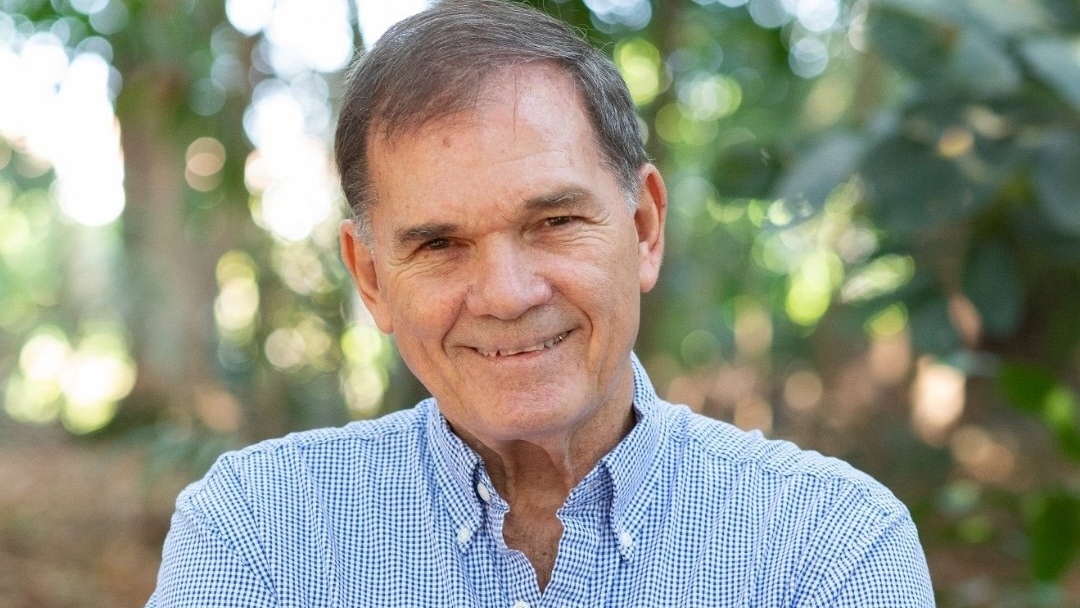
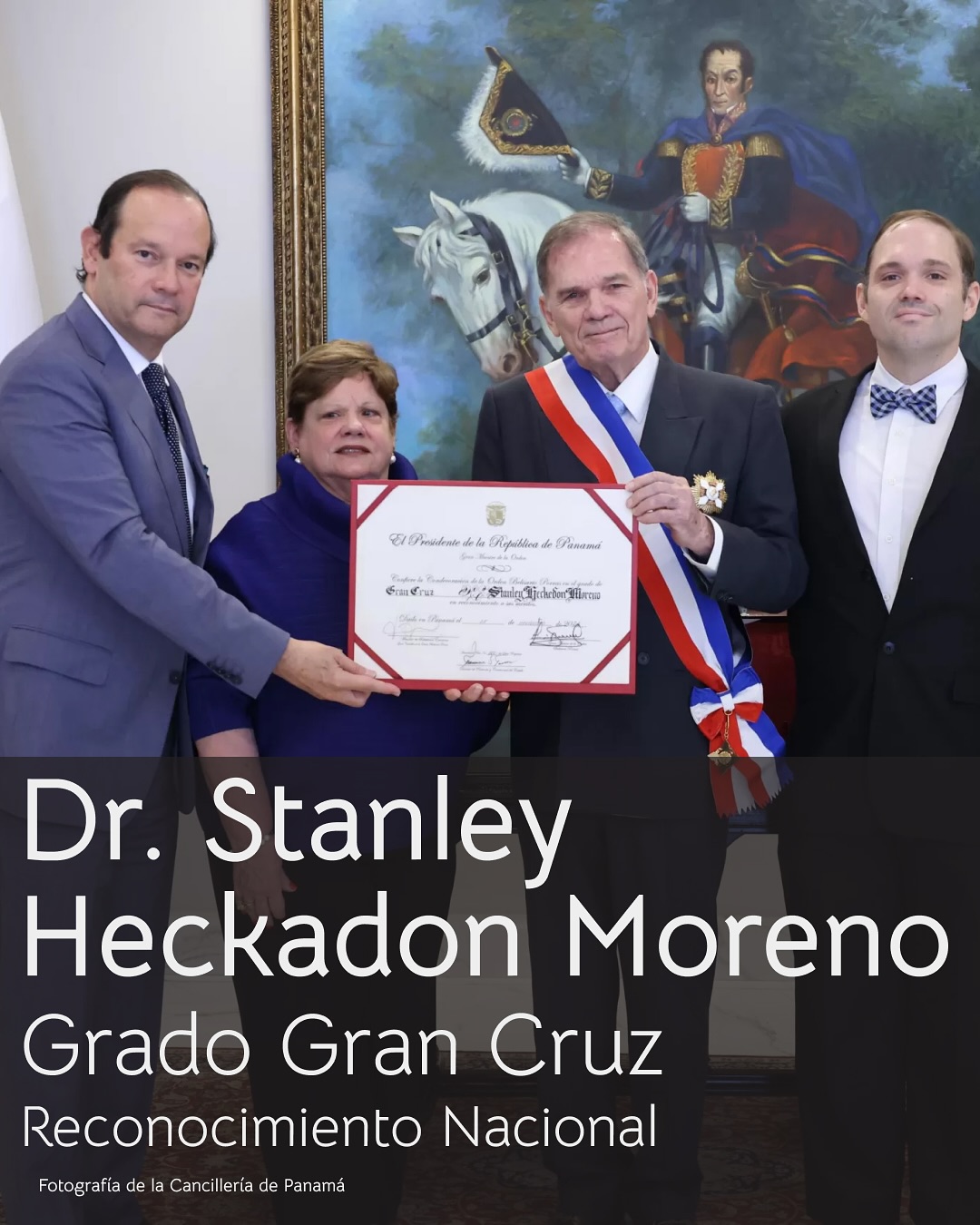
A country that understands itself can present itself better to the world. These are the words of a renowned anthropologist, sociologist, and historian from Chiriqui province. A tireless researcher, he championed the conservation of the Panama Canal watershed and the appreciation of the human heritage behind a country’s historical processes. He was a research associate at the Smithsonian Tropical Research Institute (STRI) from 1983 and directed the Galeta Point Marine Laboratory in Colon until 2020, promoting marine research, teacher training, and science outreach. For this and much more, Stanley Heckadon-Moreno is our Special Guest and speaks exclusively with The Visitor – El Visitante about the need to integrate science, memory, and education as pillars for building identity and projecting authentic tourism.
After so many years traveling Panama, what continues to surprise you most about the country?
“That it changes with every kilometer. You can have breakfast in a Caribbean setting, with music and accents from the Antilles, and a couple of hours later be in a Pacific town with completely different traditions. And if you venture into Darien, the world transforms again”.
You often talk about your experience on the Chagres River. What did your experiences in this region taught you?
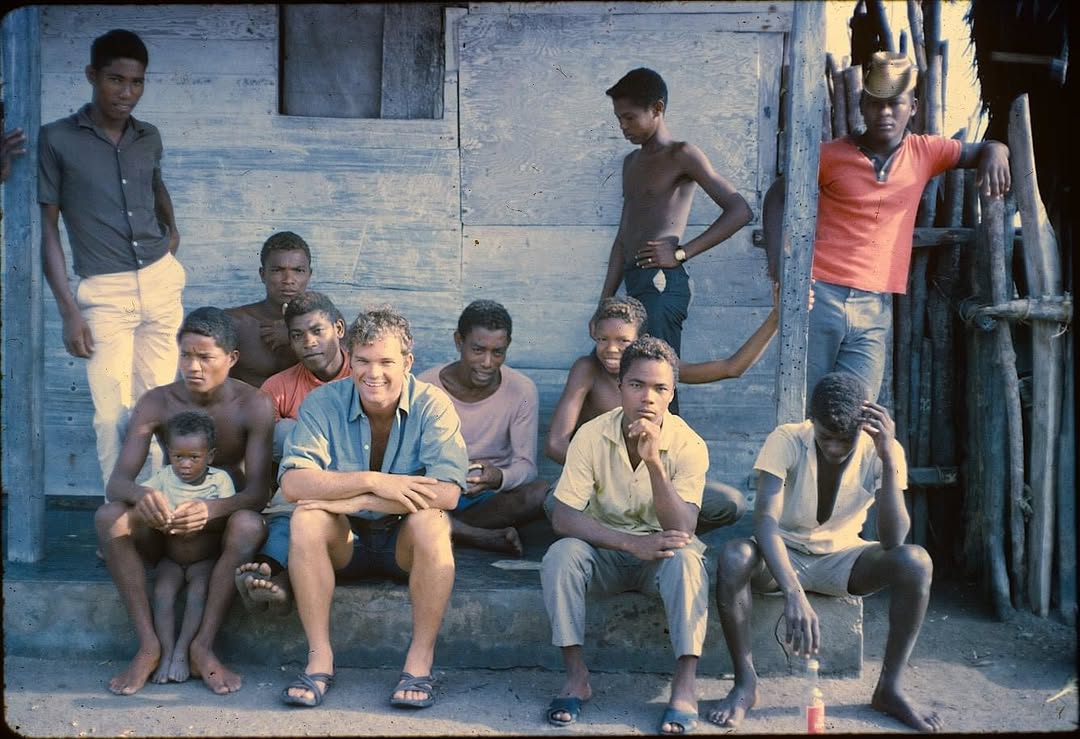
“They taught me humility. The people of Chagres, for example, when they spoke about the formation of Lake Gatun, weren’t just theorizing: they were remembering where their houses were, the place where they had buried their relatives, the road that disappeared underwater. When you hear these stories, you understand that tourism can also be about remembering. If we are able to incorporate these human stories, the visitor doesn’t just see the canal; they understand the price that certain communities paid. That generates respect and depth”.
What transforms a beautiful place into an unforgettable destination?
“The story you’re able to tell. A forest can simply be green, or it can be the stage where the great migration of species between two continents took place. A rock can be just another stone, or it can be the testament to millions of years of tectonic activity. When someone explains that to a tourist, something ignites. The landscape acquires meaning. And that meaning is what people remember when they return home”.
Preserving nature creates valuable tourism products. Can you give an example of how this has boosted birdwatching tourism in Panama?
“Yes, and it’s wonderful. A renowned scientist from Chicago, who had studied cicadas on Barro Colorado Island for 15 years, told me that millions of people travel around the world to observe birds. And during a helicopter flyover, he managed to convey to General Torrijos that if the forests were protected, tourists would come in droves to go birdwatching. It was one of those moments when conservation ceased to be a luxury and became a development strategy. That’s when the conversation changed”.
What is needed for the country to make the leap toward comprehensive tourism development?
“Knowledge needs to reach everyone. Not just researchers. The taxi driver, the police officer, the waiter, the community guide should be able to explain why Ancon Hill is important or what makes a mangrove forest unique. When all of society has access to this kind of information, the entire country becomes a host. And that has enormous power for tourism”.
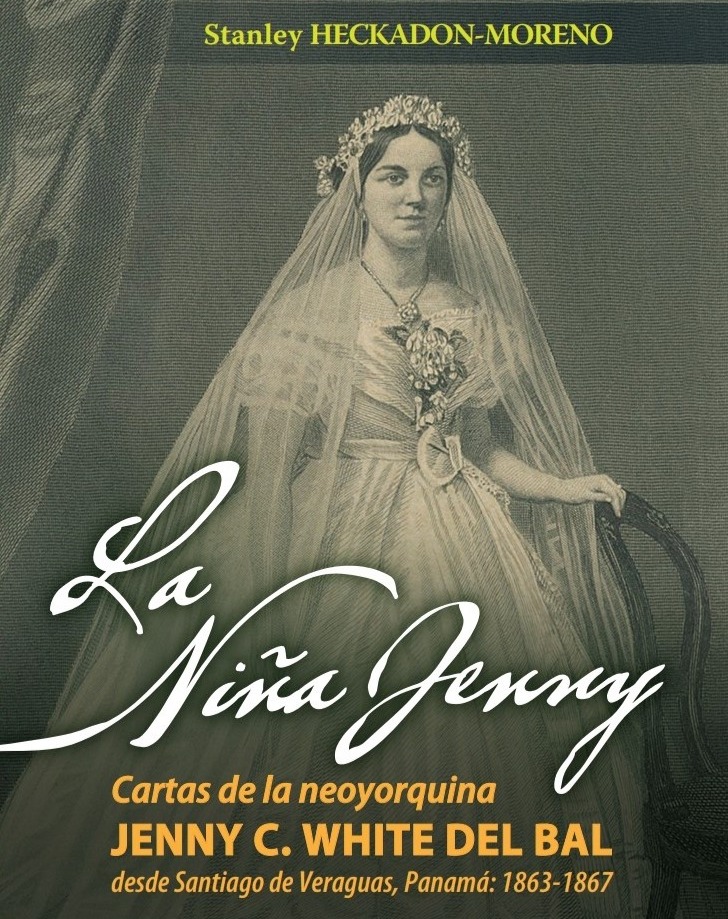
In your latest books, “La Niña Jenny” and “Tales from the River and the Sea”, you return to people’s stories. Why?
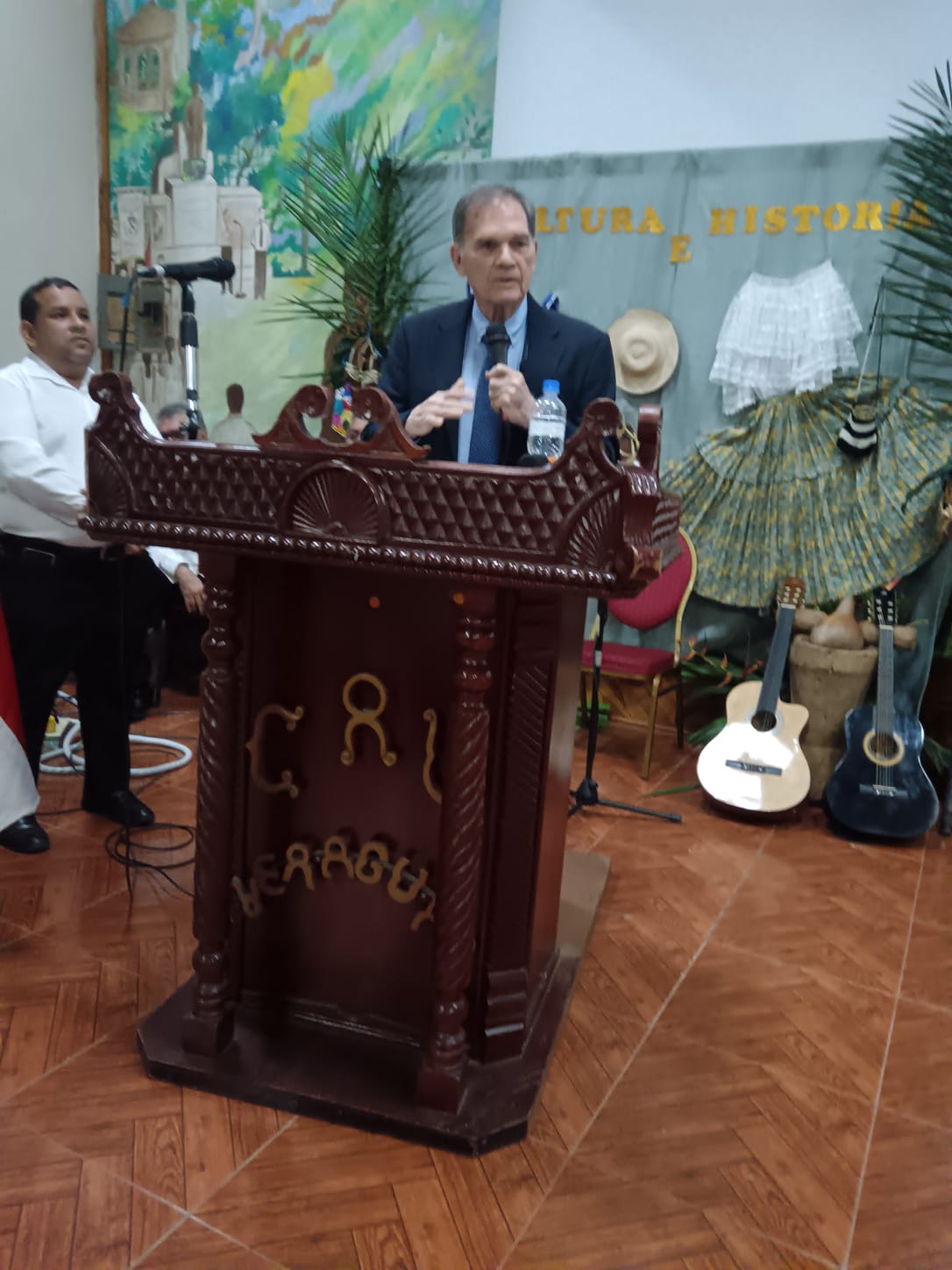
“Because history enters through the heart. In “La Niña Jenny”, (Little Miss Jenny) for example, it allows families today to discover their 19th-century ancestors in Veraguas, how they dressed, how they celebrated. Suddenly, the past becomes close.
And when one recognizes oneself in history, the desire to preserve and share it is born. That is fundamental for any tourism project that seeks authentic storytelling and experiences for the tourist”.
If you had to summarize a message for tourism in Panama, what would it be?
“Let’s learn to know ourselves as a country so we can share it with others. We have biodiversity, a privileged geographic location, and an extraordinary cultural mix. But we must study it, understand it, and then tell its story with pride. The day we achieve that, Panama won’t have to invent anything to attract visitors. The world will come to experience our real and authentic history”.
Photos courtesy: Stanley Heckadon-Moreno