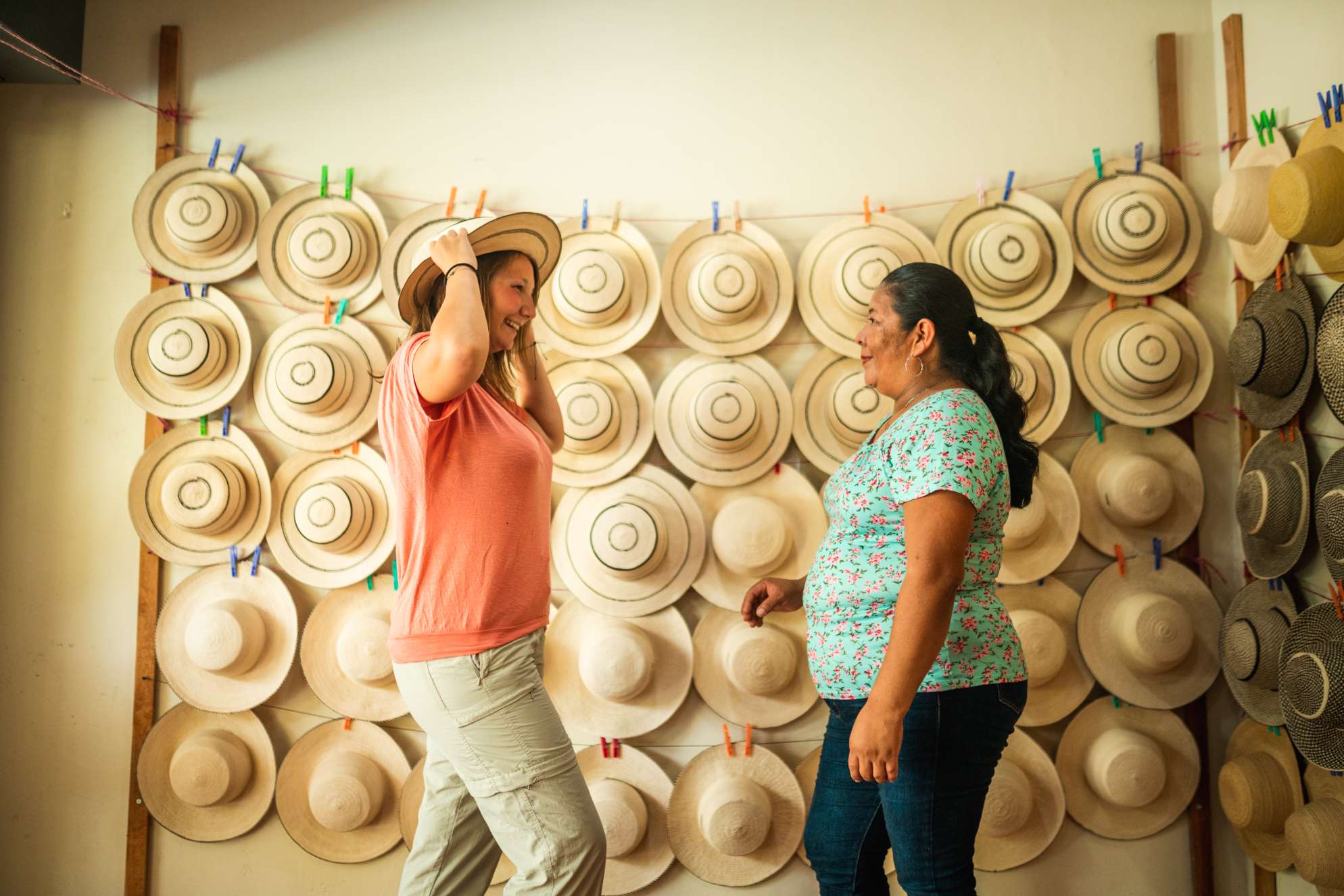


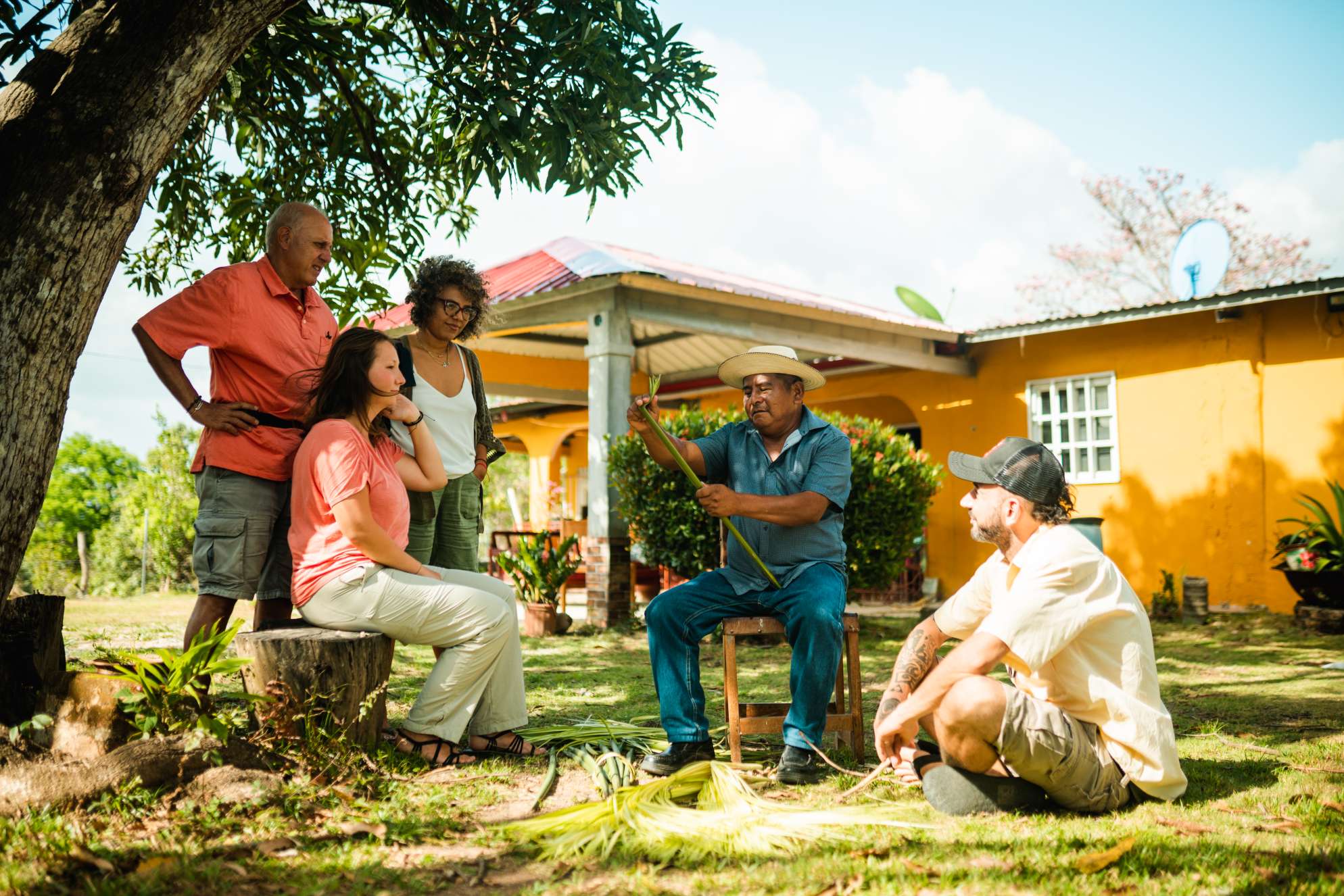
The Pinta’o hat is one of Panama’s most representative cultural symbols, and La Pintada, in Cocle province, is recognized as one of its main production centers. More than just an accessory, the Pinta’o Hat is a living manifestation of the country’s indigenous and rural heritage, passed down from generation to generation.
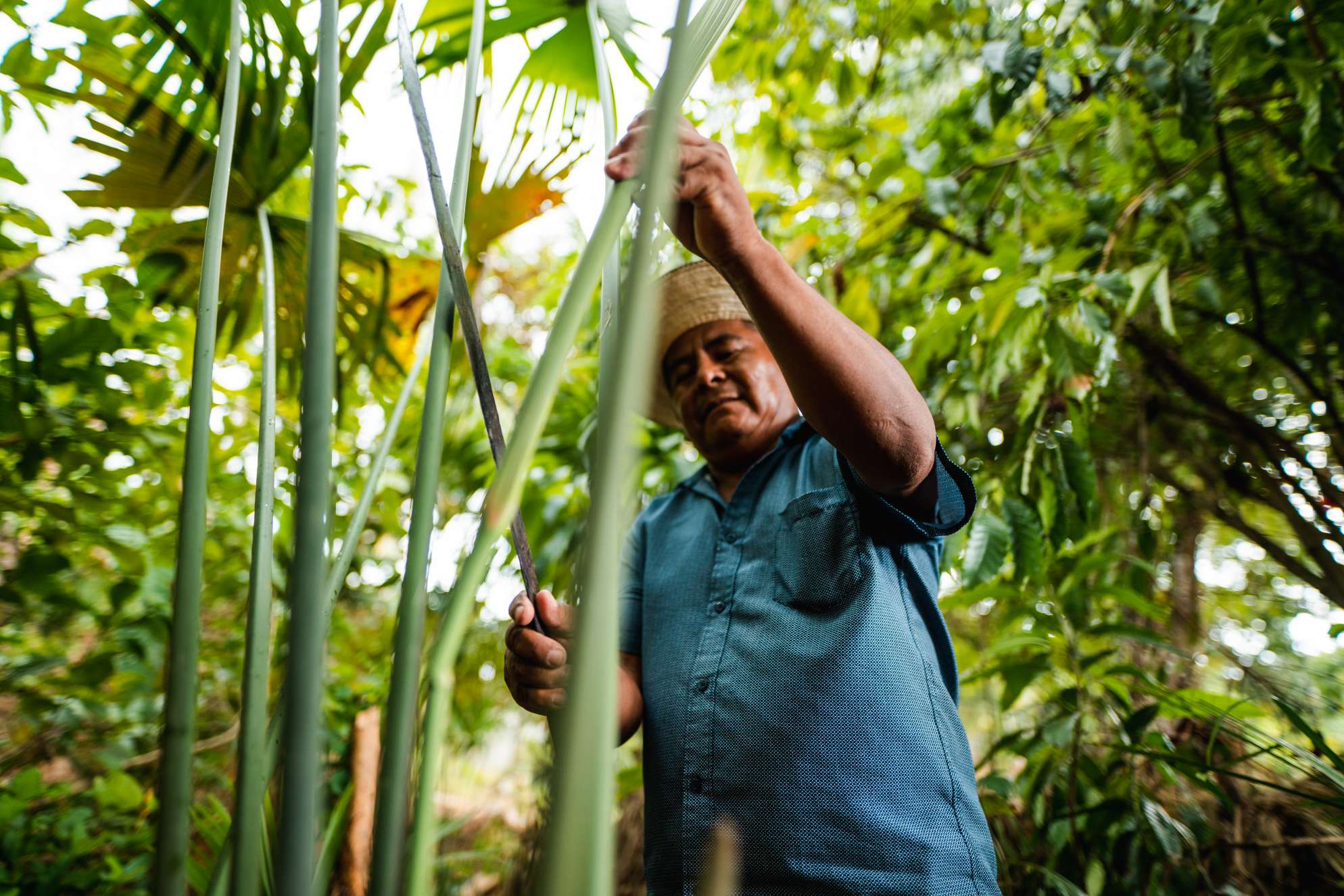
A History Tracing Back to Pre-Hispanic Cultures
The origin of the Pinta’o Hat dates back to the pre-Hispanic cultures of central Panama, particularly the indigenous peoples who used plant fibers for sun protection and as a distinctive element. With the arrival of the Spanish, these techniques merged with new forms and uses, giving rise to the Pinta’o Hat as it is known today. In La Pintada, the craft became an essential part of rural life, eventually becoming a national symbol, closely linked to folklore and rural traditions.
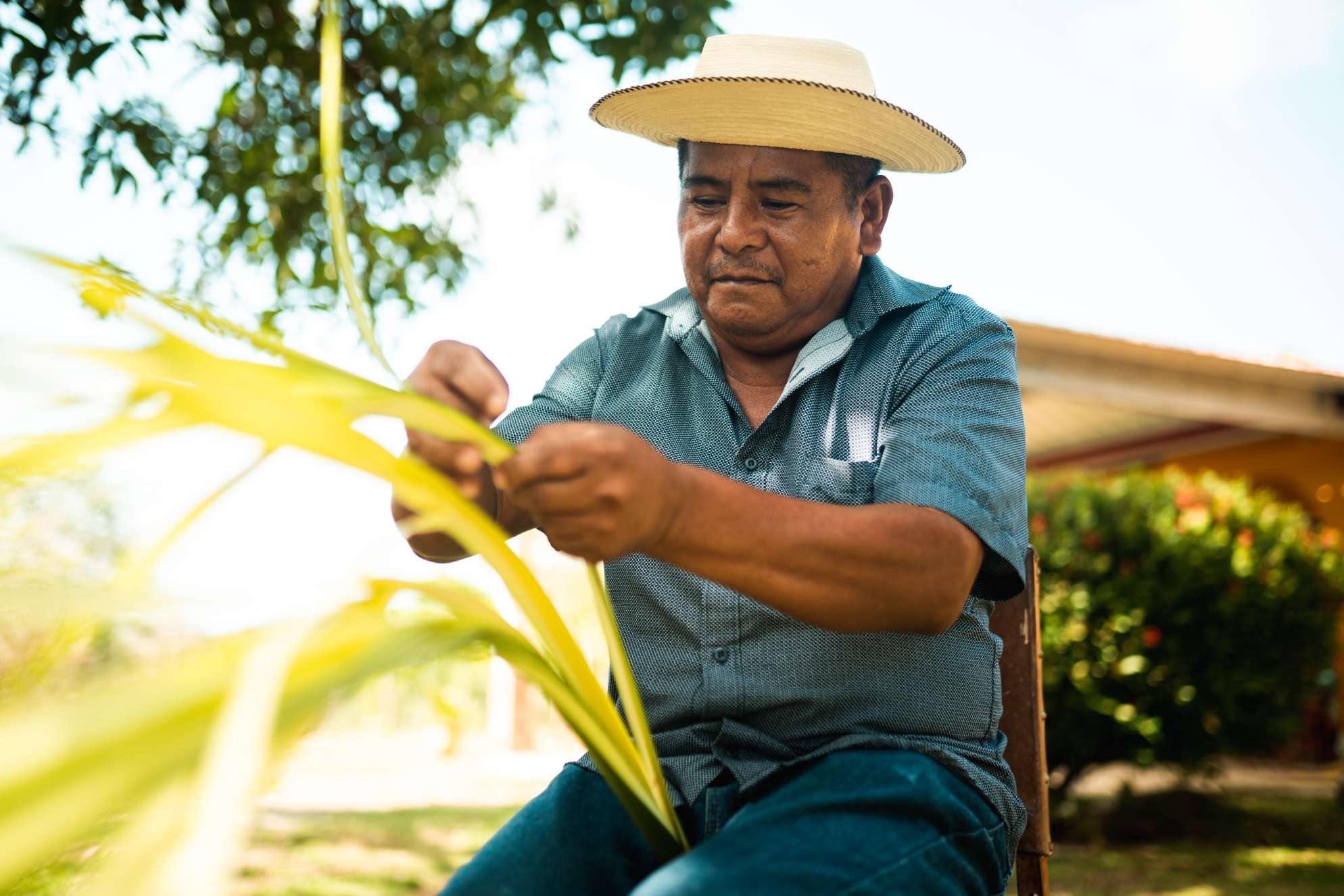
A Highly Skilled and Knowledgeable Artisanal Process
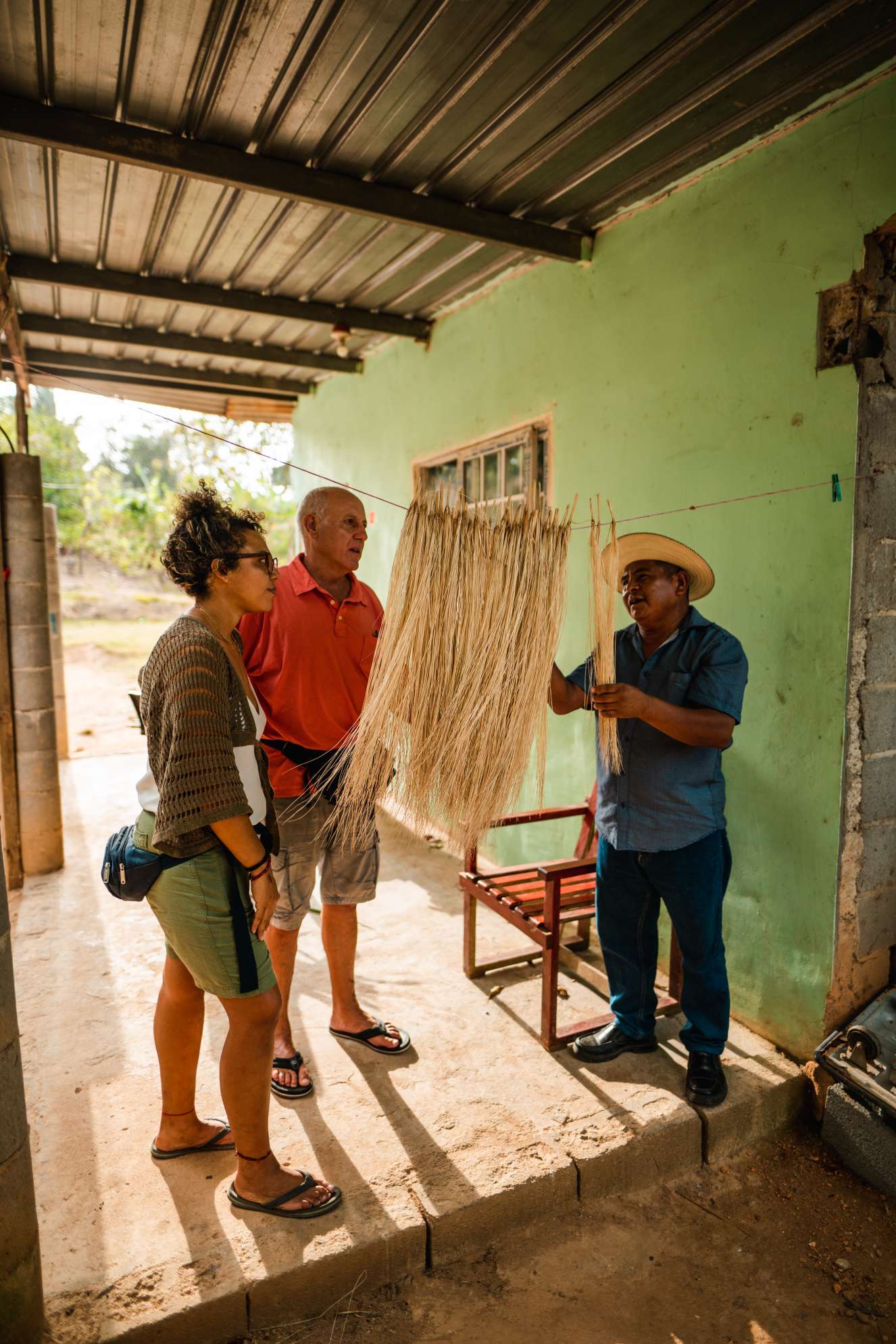
The making of the Pinta’o Hat is a meticulous artisanal process that requires patience, skill, and a deep understanding of the materials. It primarily uses acorn and reed fibers, carefully harvested. The acorns are boiled, sun-dried, and bleached, while the reeds are dyed with natural pigments obtained from plants and roots.
The weaving is done entirely by hand, starting with the base and continuing with the crown and brim. The geometric designs, known as “pintas”, have traditional meanings and vary depending on the complexity of the hat. Depending on the fineness of the weave, a hat can take anywhere from several days to several months to finish it, which directly influences its value.
Cultural Influence that Strengthens Local Identity
In La Pintada, the Pinta’o Hat is a fundamental part of local identity. It is worn at festivals, traditional dances, for agricultural work, and at civic events, and it also complements traditional clothing such as the camisilla and the montuno. Furthermore, it represents an important source of income for many artisan families, especially women, who have kept this tradition alive.
Today, the Pinta’o Hat transcends the local: it is a national emblem that projects Panamanian culture to the world, reflecting respect for nature, handiwork, and Panama’s historical memory.