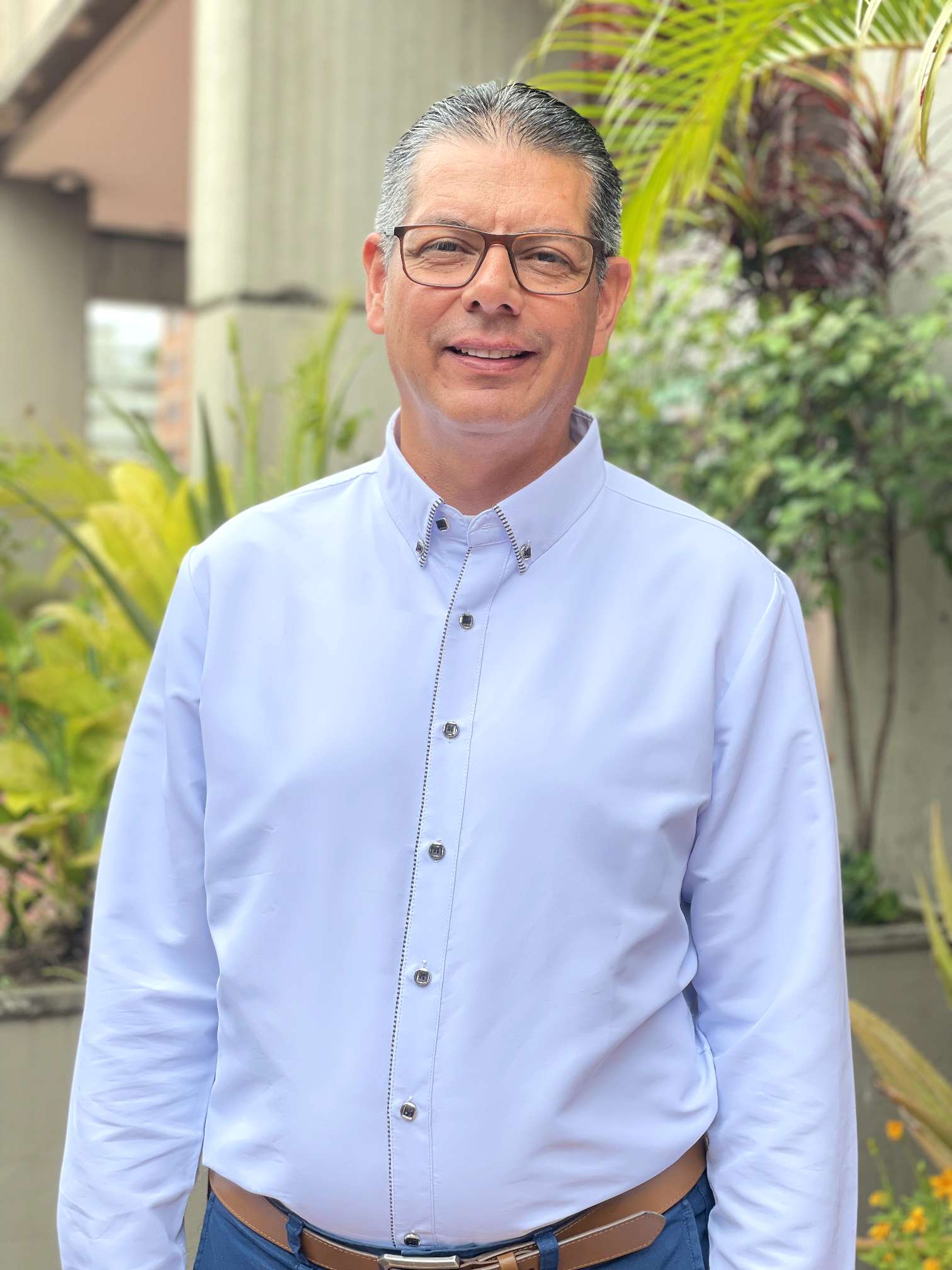


The development of tourism in Panama requires both an internal look—one that identifies its strengths and weaknesses—and an external perspective that draws inspiration from highly successful tourism models. For this reason, our Special Guest is Pablo Hernan Velez, Subsecretary of Tourism of Medellin, a leading figure in the tourism development of a city that was recognized as the most innovative in the world in 2013 and continues to attract thousands of visitors today. A highly accomplished professional with more than 25 years of experience, he has promoted strategies focused on nature, cultural, business, and health tourism, as well as the consolidation of key products that have guided the orderly growth of tourism in this Colombian city. His vision has aligned tourism service providers under a sustainable model, and in this edition he shares with The Visitor – El Visitante his perspective on tourism in Panama.
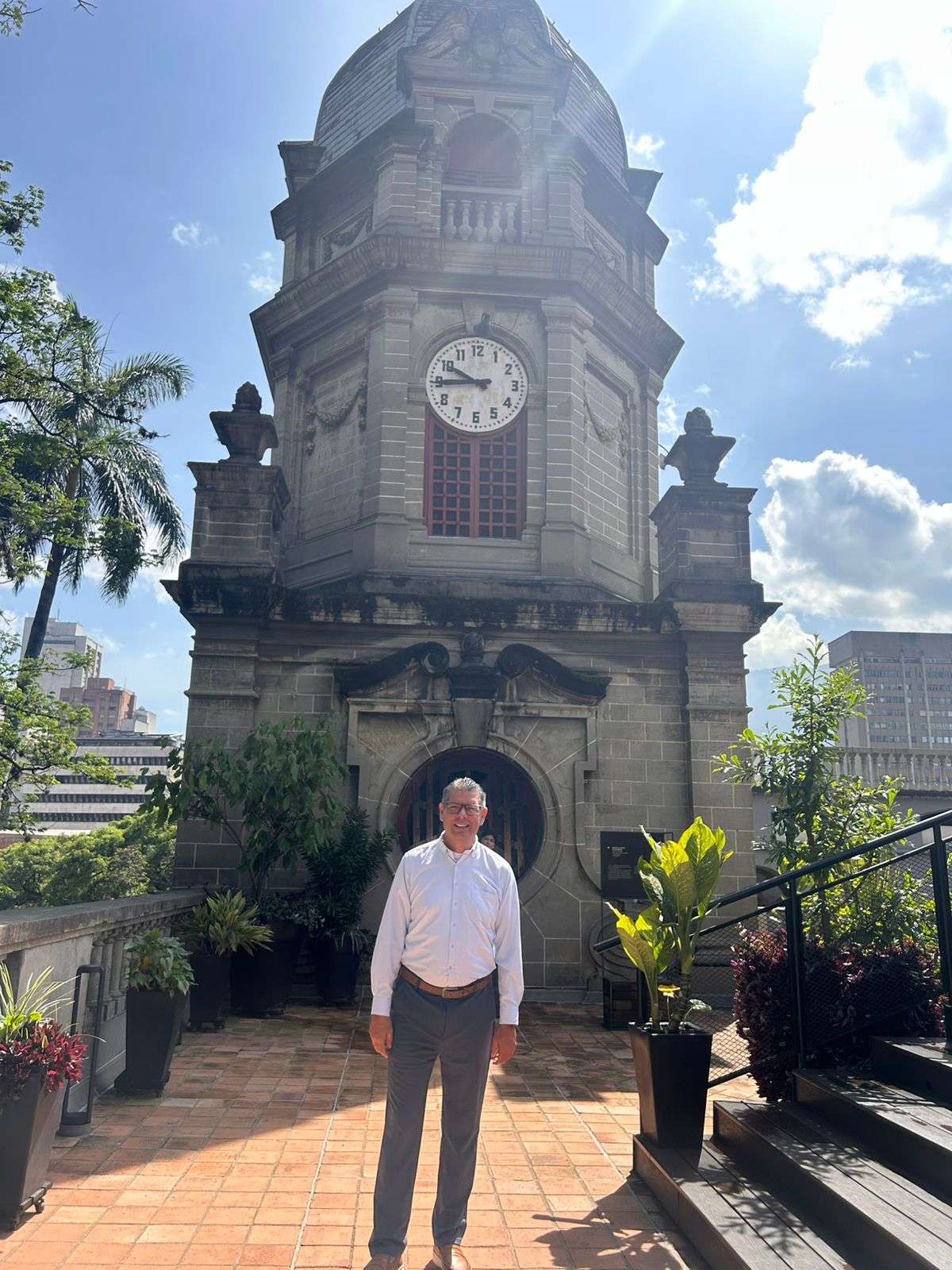
What has been the most important ingredient in Medellin’s tourism development?
“To answer that, I would say that what we built was a clear roadmap. We never lost sight of what Medellin has to offer, and our focus revolves around nature, culture, business, and health tourism—four major products.
Based on this structure, all tourism service providers aligned their efforts to develop it. We found that many destinations spread themselves across too many products, and in the end none of them mature. Medellin, on the other hand, after almost 26 years of hard work, has stayed in course. We know exactly where the opportunities lie and how to strengthen the industry through the tourists products I just mentioned.”
What do Latin American cities need to develop high-level tourism in the next 10 to 20 years?
“Definitely, the focus for Medellín and all other cities must revolve around sustainability—ensuring that every tourism activity and practice respects communities, culture, and local ways of life, without compromising the well-being of residents. Sustainability is essential for long-term success.
In practice, this means training tourism service providers, certifying them, organizing them into local groups, associations, and corporations, and avoiding isolated efforts that are risky. Alongside this, the government must play its role by creating the right conditions through public policies, regulatory tools, and clear rules that enable the development of national and international-level tourism.”
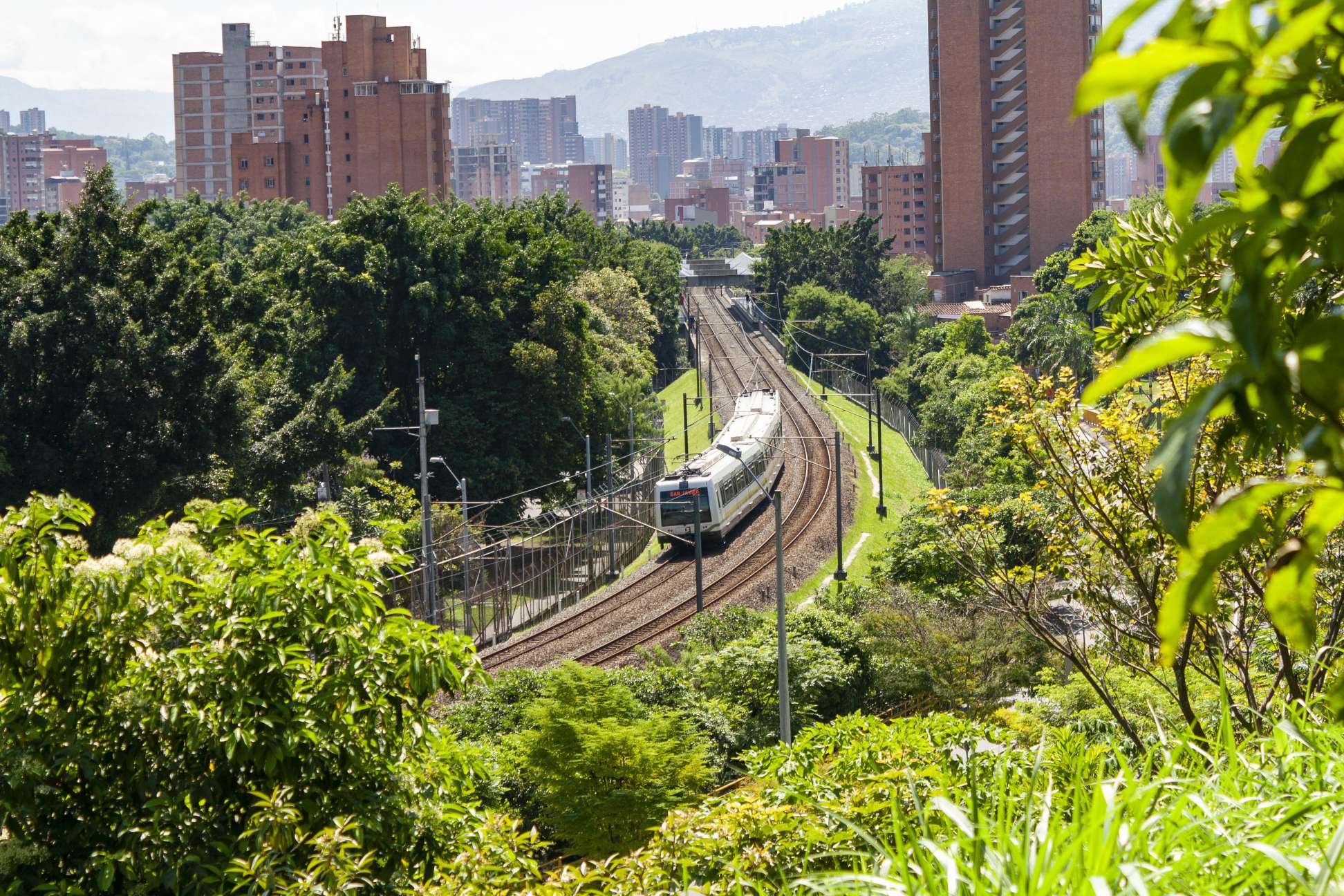
How do you see Panama City? What stands out to you, and what potential do you find?
“I see endless opportunities for Panama City. If I had to identify key areas, I would say business tourism—thanks to its facilities, hotel capacity, and excellent connectivity. Also, MICE tourism, as well as sun-and-beach experiences connected with nature.
If Panama City succeeds in strengthening and aligning all tourism service providers, both in the city and surrounding areas, around these three pillars, it can become highly competitive—not just in Latin America but worldwide.
To achieve this, you need clear rules: defining who leads tourism in the city, how activities are financed, what the economic impact is, and how that value is reinvested in communities. Too often tourism activities generate income that stays with big businesses, while the communities that host the experience see no benefit. We must foster shared responsibility, ensuring real investment and improved conditions for the communities that host tourism activities.”
The Panama Canal is our most distinctive element in the region. How can we strengthen its tourism offer to elevate the visitor experience in Panama City?
“Just the storytelling—the history and background—already plays a crucial role in shaping a strong tourism narrative. The history of the Canal, from its beginnings to today, is already a winning story. And the infrastructure itself is impressive.
If you combine a strong narrative about its origins with its engineering greatness, the product practically builds itself. Although located in Panama, the Canal impacted the entire global maritime, and intercontinental transport system. It went beyond the original goals of the State. It connected oceans and reshaped global commerce. Properly structured, this is a winning tourism product.
If we incorporate firsthand accounts, historical sites, research, political episodes, and economic themes, it becomes a mature project ready to be launched through operators who believe in it and truly understand it.”
What are the three elements Panama City can best leverage for tourism?
“For me, the historic district is essential—no city in the world should overlook its origins. Second, modernity: Panama is one of the cities with the largest number of skyscrapers, which speaks to its economic investment, development, and business strength. Those two elements—its past and its future—tell Panama’s story.
And third, the surrounding neighborhoods, which are often overlooked. Sometimes people ask, ‘Why take tourists to a working-class neighborhood?’ But many of these communities feature powerful stories that reflect the true identity of Panamanians—stories very different from those in elite districts. This community-based and social tourism component plays a fundamental role in offering new and authentic experiences. Showcasing the real stories of local neighborhoods gives Panama an important opportunity to enrich its tourism offer.”