


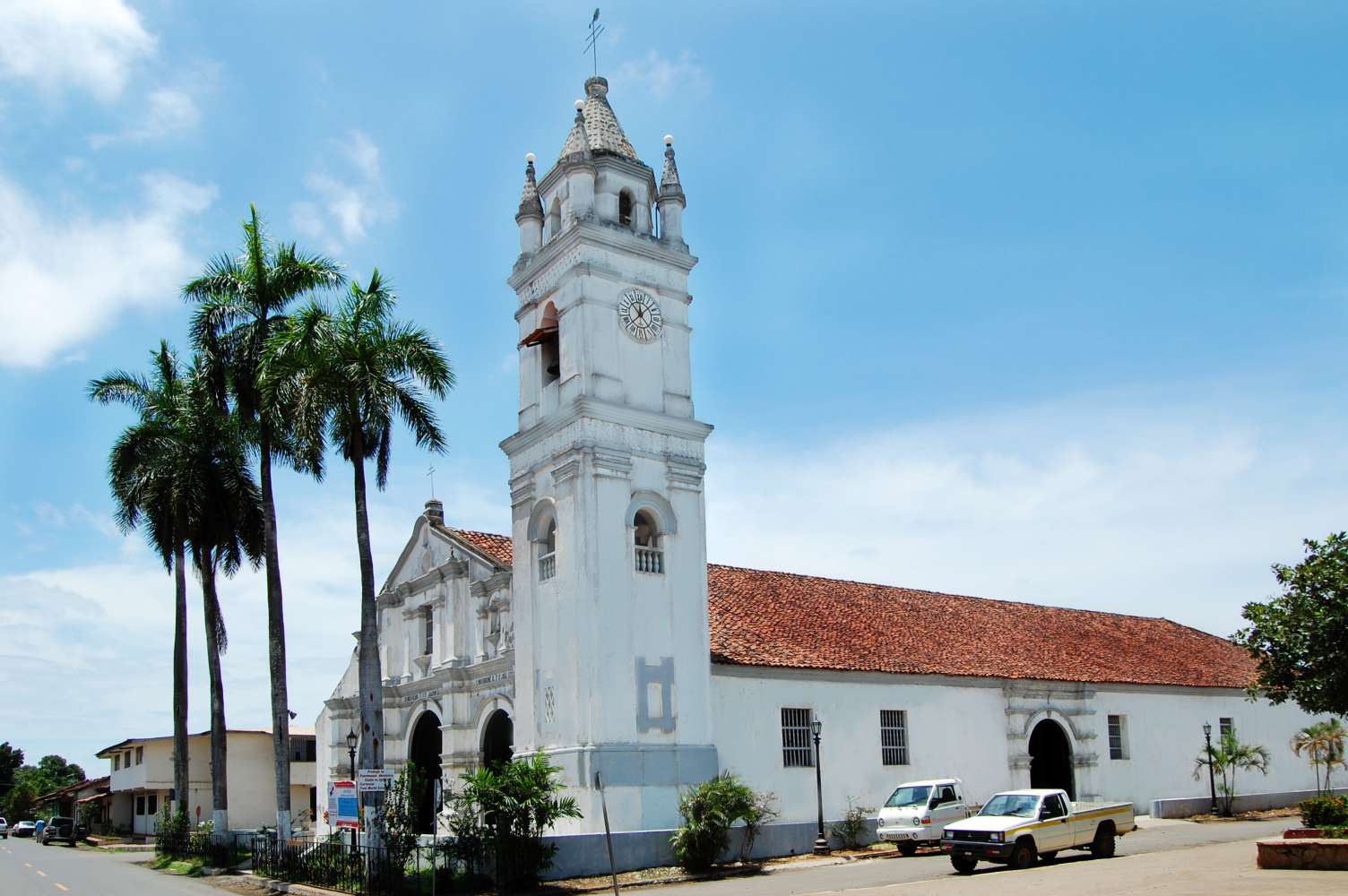
La Villa de Los Santos holds a central place in the history and cultural identity of Panama. Its richness lies not only in its historical milestones, but in a living fabric of expressions preserved over centuries. This combination—tradition, memory, and community—makes the district the cultural epicenter of Azuero and a national symbol of courage.
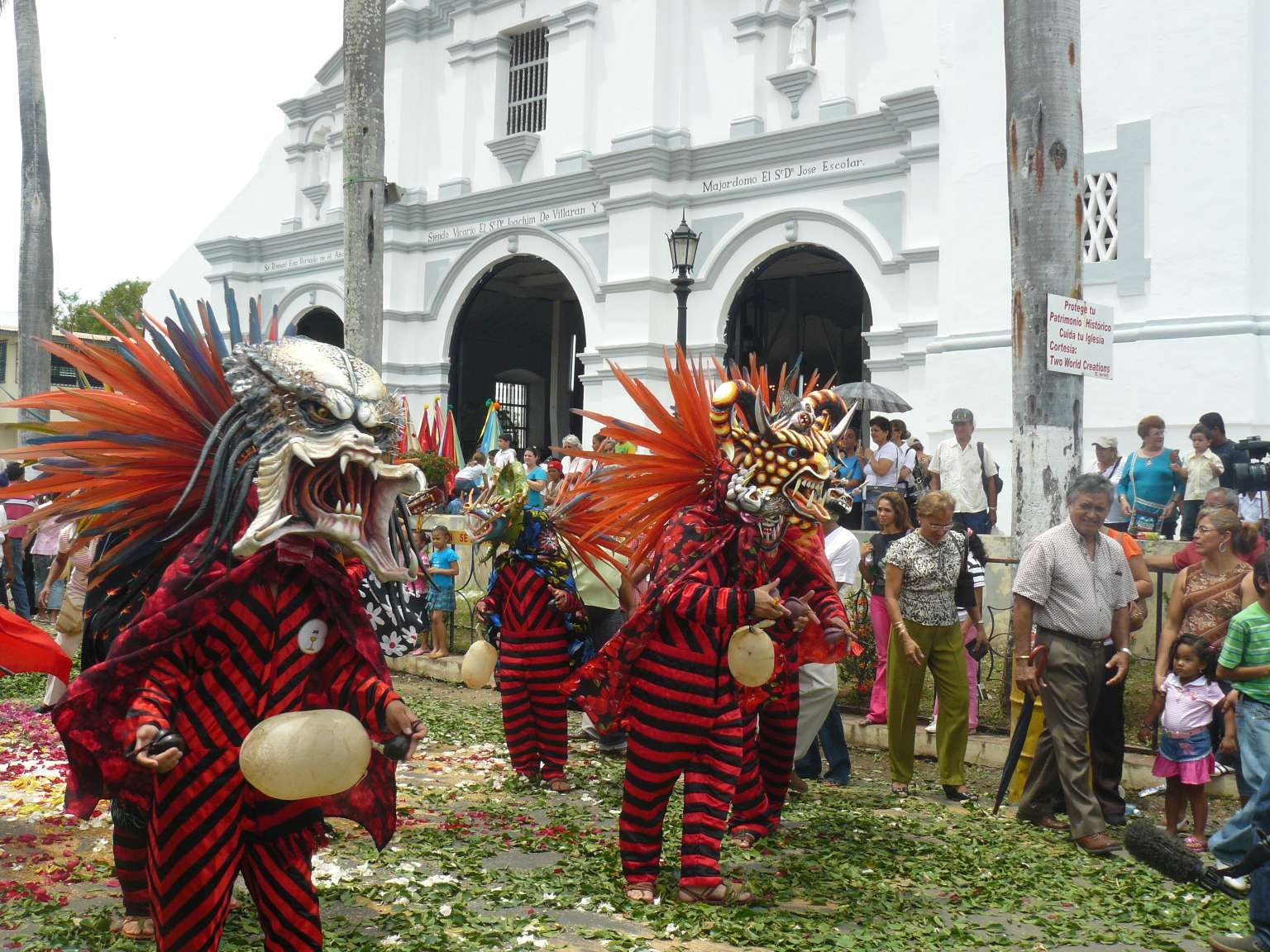
Cultural Expressions of the People of Los Santos
At La Villa, culture is deeply rooted in traditions that define the santeño character. These include the artisanal creation of “la pollera”, one of the most elaborately crafted traditional dresses in the world; the rhythmic power of the tamborera, whose beats have accompanied generations; and the vibrant movement of the traditional tunas, people singing on the streets during patron festivities. Equally important is the crafting of masks and traditional handicrafts that preserve techniques passed down through the years. Added to this are the legacy of La Mejorana Festival, religious celebrations, local gastronomy, and the oral transmission of songs, decimas, and traditional dances. Together, these practices—sustained through time by local families—keep the cultural essence of Azuero alive and strengthen community bonds.
The influence of these families has been decisive. Through artisanal trades, leadership in festivities, and participation in civic structures, their continuous involvement has ensured that these traditions not only endure but grow stronger generation after generation. This communal fabric transformed La Villa into an organized, united territory with a deeply rooted collective consciousness.
Cradle of Panama’s Independence from Spain
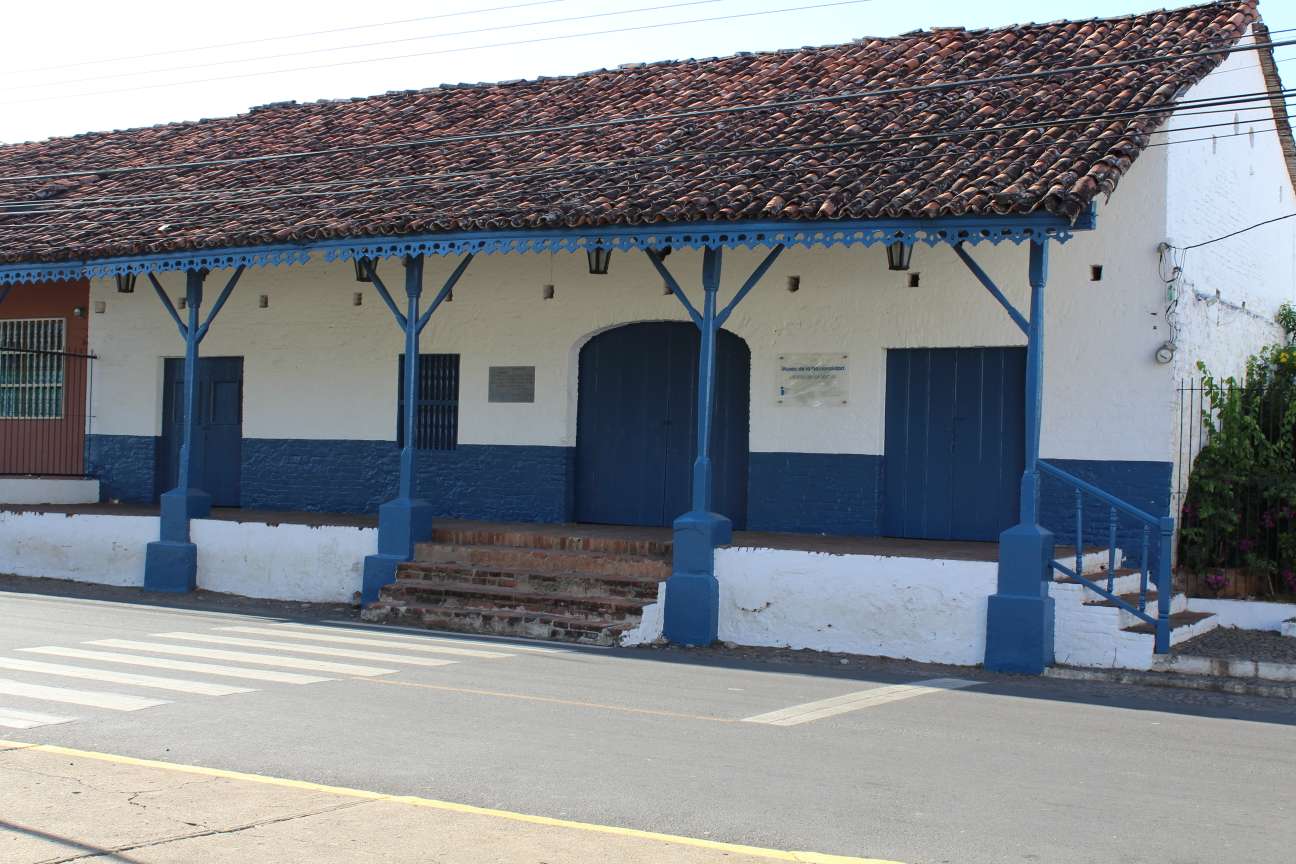
This same community spirit fueled one of the country’s most significant milestones: the Shout for Independence of November 10, 1821. It was an act born from the collective conviction of the people of La Villa and became the spark that, just weeks later, led Panama to proclaim its independence from Spain. The cohesion of local families and their strong sense of identity were key elements that enabled the coordination of a movement that would shape the nation’s history.
Where Past and Present Meet
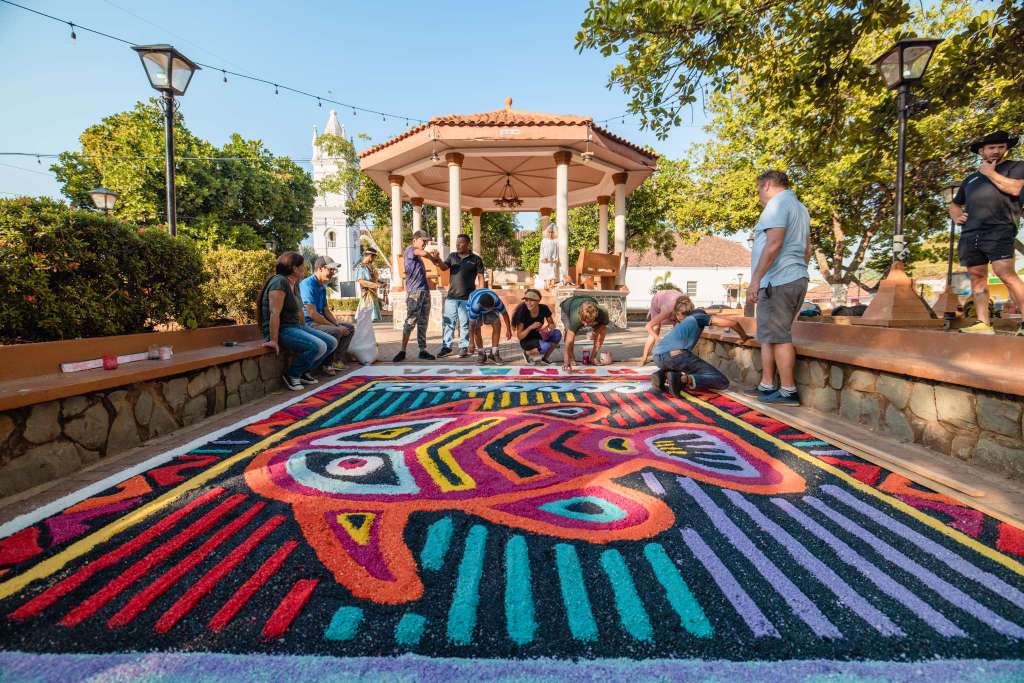
Today, La Villa de Los Santos remains a place where past and present coexist. Its museums, streets, processions, festivals and plazas preserve a living memory that continues to inspire Panama. Its cultural legacy and historical contribution not only shaped the path of Azuero, but played a decisive role in the formation of Panamanian identity.